

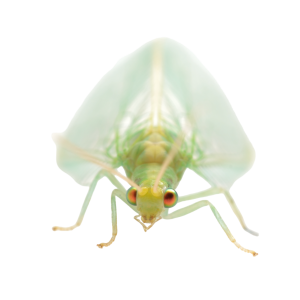
Chrysoperla carnea
Chrysoperla carnea is an essential predator in agricultural crops and gardens, providing natural pest control by consuming large numbers of aphids, thrips and whiteflies. With…
Buy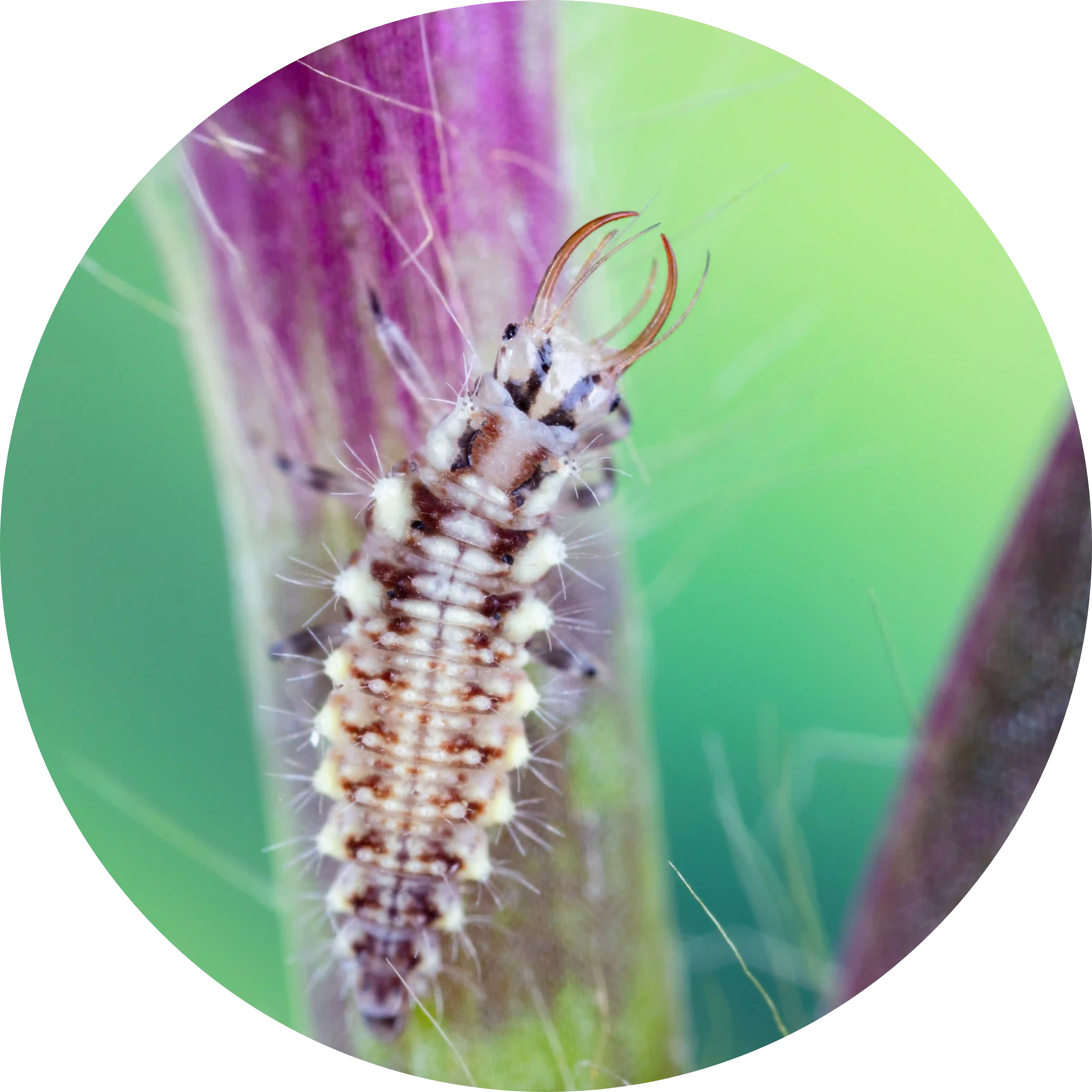

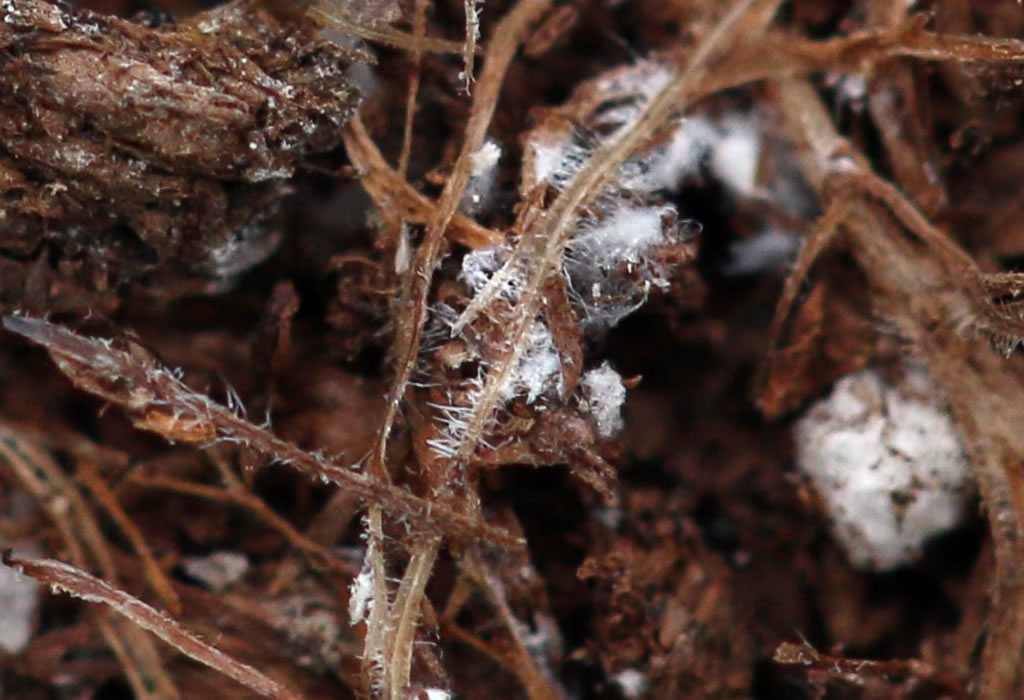
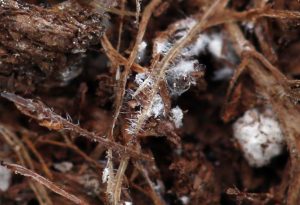
Mealybugs are soft-bodied, segmented insects covered with a white, waxy substance. They are common pests of greenhouse crops, ornamental plants, fruit trees, and indoor plants. Both nymphs and adults feed on plant sap, which weakens the plant and can lead to serious yield or aesthetic losses. Mealybugs reproduce rapidly under favorable conditions, often forming large colonies that are visible to the naked eye.
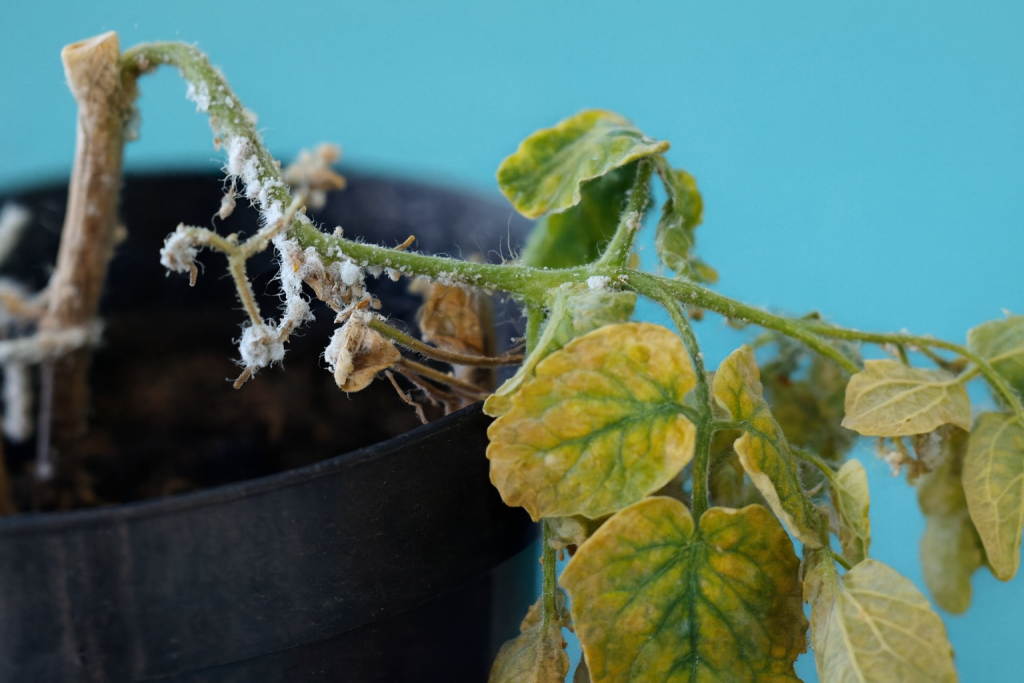
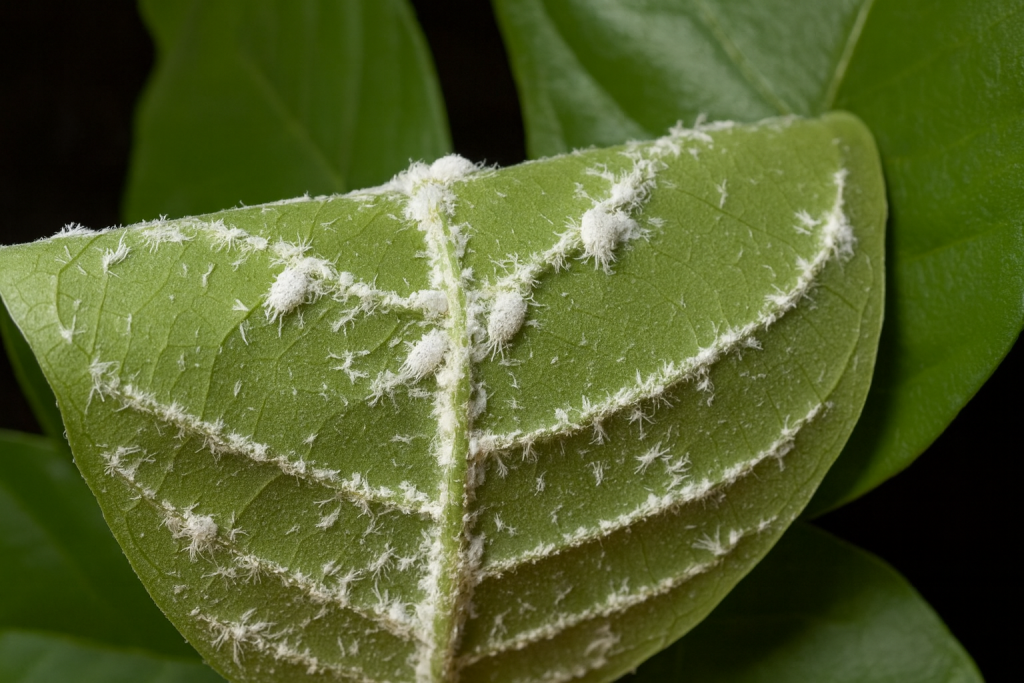
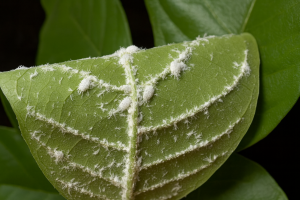
Look for cottony clusters on leaves, stems, or roots. Sticky honeydew and black sooty mold indicate infestations.
Chrysoperla carnea is an essential predator in agricultural crops and gardens, providing natural pest control by consuming large numbers of aphids, thrips and whiteflies. With…
Buy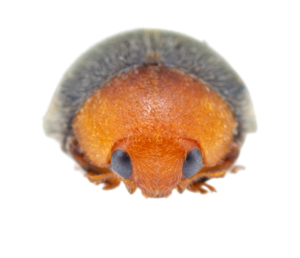
Cryptolaemus montrouzieri, also known as the "Mealybug Destroyer," is an excellent addition to any garden! Thanks to its powerful predatory abilities in both adult and…
Buy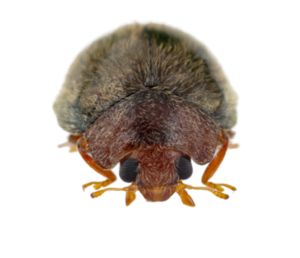
Native to Australia, the Lindorus lophanthae ladybug is a very underutilized agent in Quebec. Covered in dense hair, its prothorax is orange in color. It…
Buy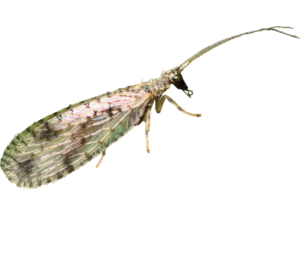
If you're fighting a pesky aphid problem in the greenhouse, consider enlisting the help of an amazing ally: Micromus variegatus. This powerful insect presents an…
Buy