

Amblyseius swirskii
please send us an email to :


Targeted crops
- Ornamentals :
- Begonias
- Gerberas
- Roses
- Chrysanthemums
- Tropicals, etc.
- Potted beauties
- Hibiscus flowers,
- Poinsettias
- Anthuriums
- Vegetables :
- Cucumbers
- Eggplants
- Beans
- Small fruits :
- Strawberries
- Raspberries
- Blackberries
- Blueberries

Targeted pests
- Thrips
- Whiteflies
- Tarsonemus
- Spider mites
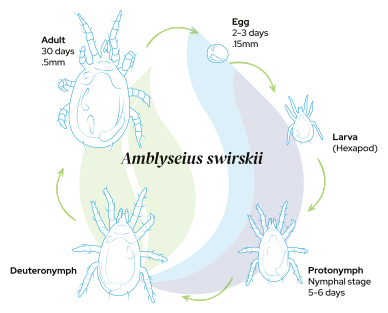

Application Instructions
Bulk
Before introduction, very gently rotate the tube to homogenize the content inside and spread the mites all over the tube.
Sprinkle onto plants and foliage. The mites are mobile and can be seen with a 10-15 X magnifying glass.
Introduction rate generally vary between 25 and 300 individuals per m² depending on infestation level. Apply introductions weekly until control is achieved.
Sachets
Put the sachets in the interior of the canopy. Do not expose to direct sunlight or overhead watering. The mites are mobile and can be seen with a 10-15 X magnifying glass.
Preventive application rates are generally one sachet per plant for a period of 4 to 6 weeks, or until control is achieved.
*Change sachets every 4-6 weeks.

Storage Instructions
Use upon receipt to ensure maximum efficacy. If needed, keep for a maximum of 1 to 2 days in a cool environment (15-18°C), away from light and with good ventilation.
Do not refrigerate or freeze.

Description
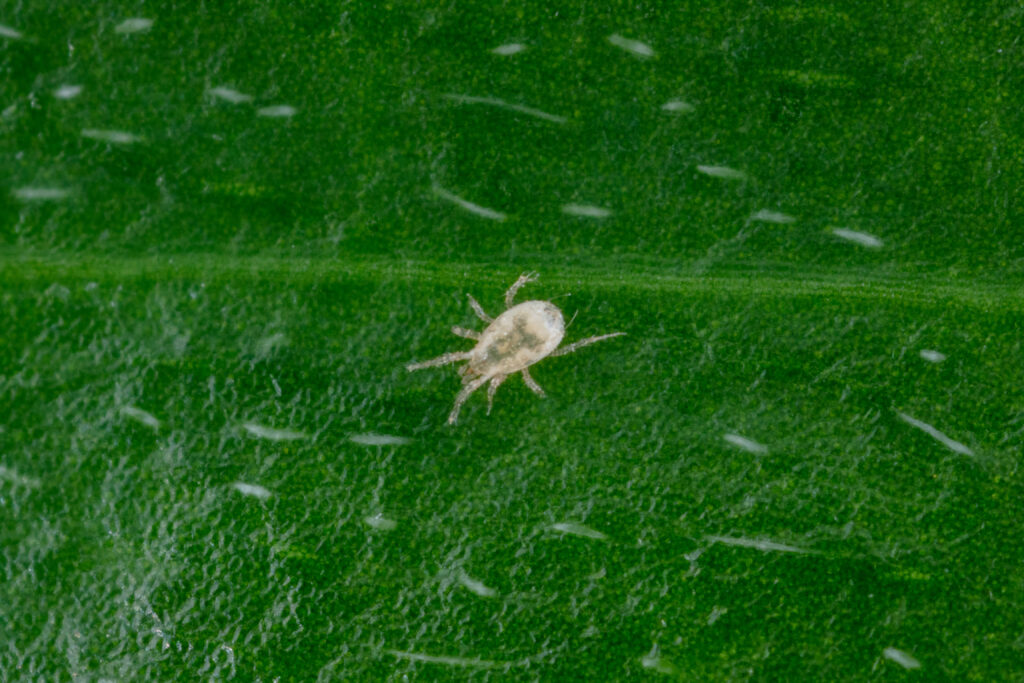
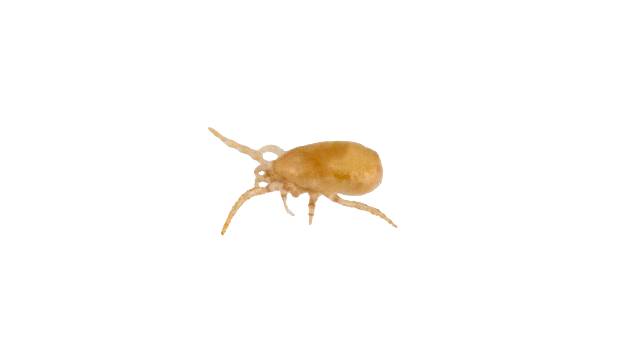
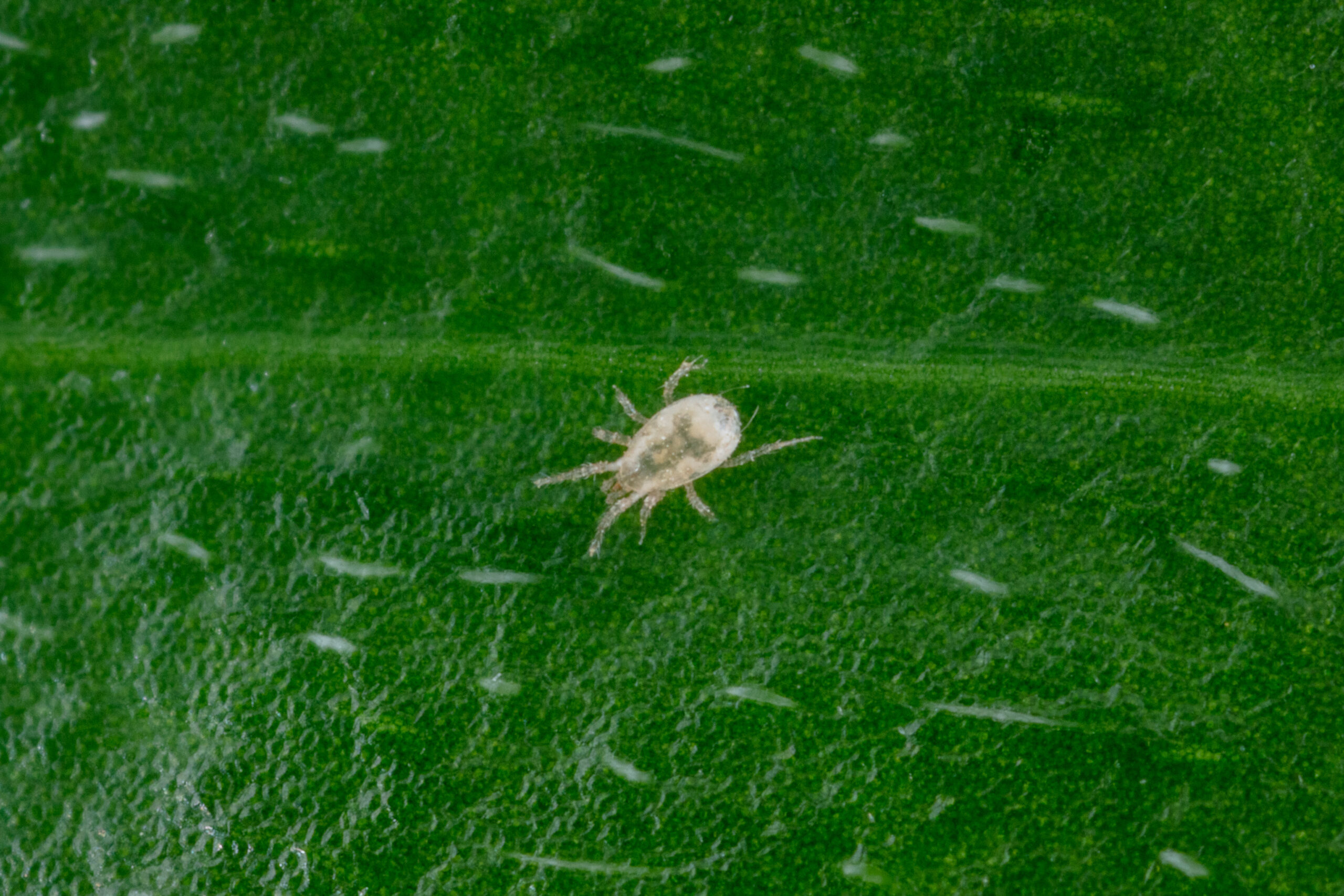
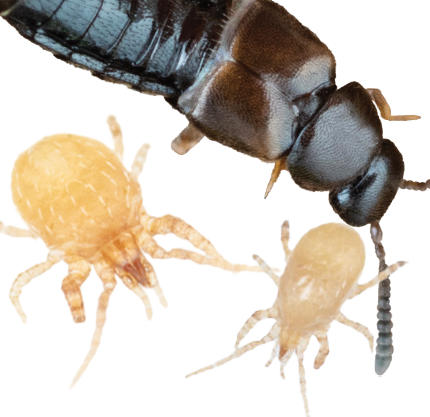
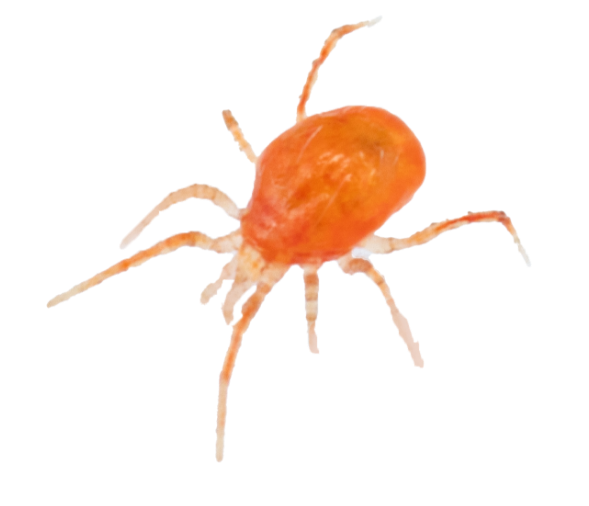
Amblyseius swirskii is an incredibly effective small predator of many pests, providing a reliable and environmentally friendly biological control alternative to chemical treatments. Measuring approximatively 0.14 mm in diameter, these light brown mites are able to reproduce rapidly—with female Swirskii laying up to 40 eggs per day! Not surprisingly then, they have become widely utilized across agricultural and horticultural settings for their versatility at controlling various pest species such as thrips, whiteflies and other mite species. This predatory mite has demonstrated exceptional efficacy in crops cucumbers, peppers, tomatoes, strawberries, and plants ornamentals when temperatures are between 20-32°C. —Amblyseius swirksii has shown itself as one of nature’s most efficient predators!