

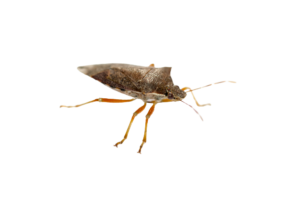
Podisus maculiventris
The predatory Podisus maculiventris bug serves as a powerful yet eco-friendly biological control agent against destructive caterpillar and beetle pests that threaten greenhouse and field…
Buy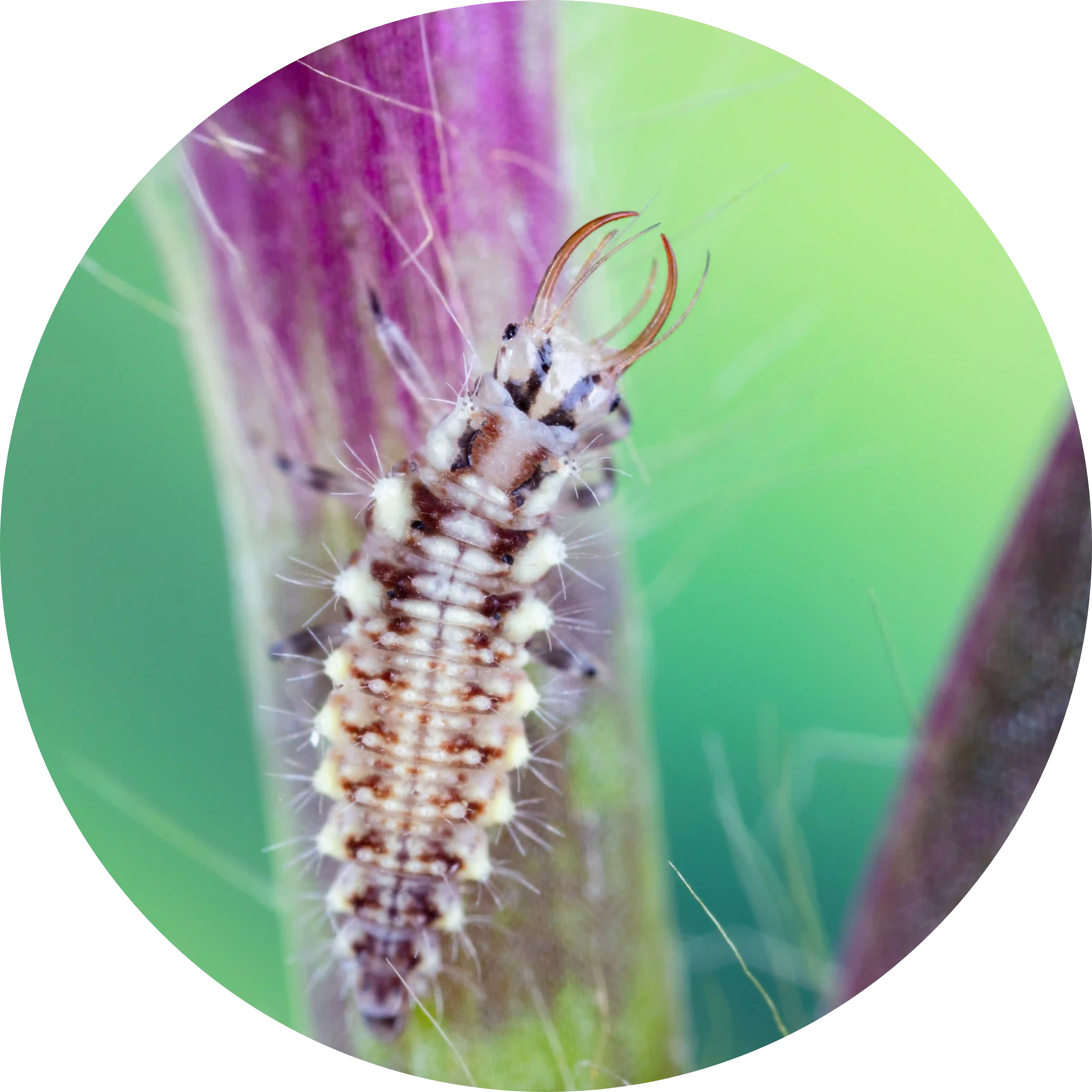

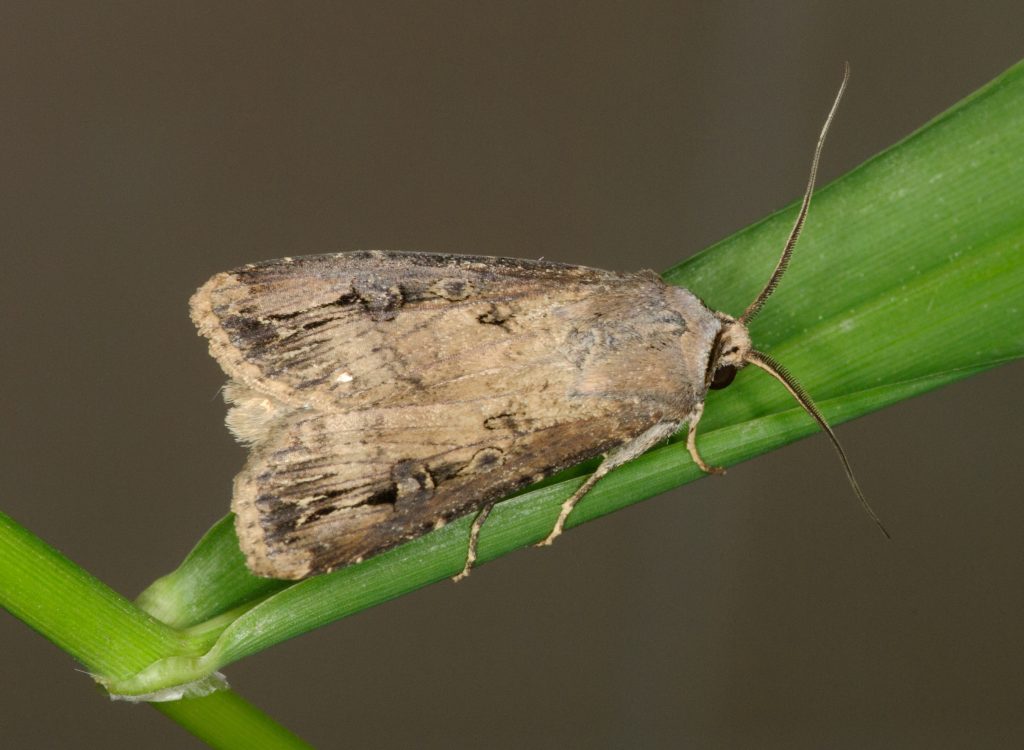
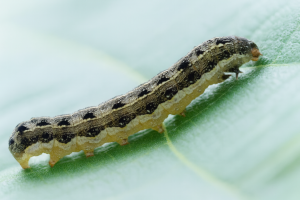
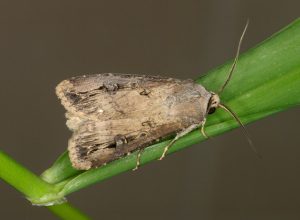
Cutworms (Agrotis spp. and related species) are the larval stage of several noctuid moths that feed at night and hide in soil or plant debris during the day. These caterpillars are notorious for cutting young seedlings at the soil surface, but they may also feed on roots, stems, and leaves of many crops. They are particularly damaging in vegetable gardens, field crops, and nurseries, where they can quickly destroy young plants and reduce establishment rates.
Adult cutworm moths are brown to gray, medium-sized moths with mottled wings. While they do not cause plant damage, they lay eggs in soil, weeds, or crop residues. The emerging larvae are smooth, plump caterpillars, usually gray or brown, that curl into a C-shape when disturbed.
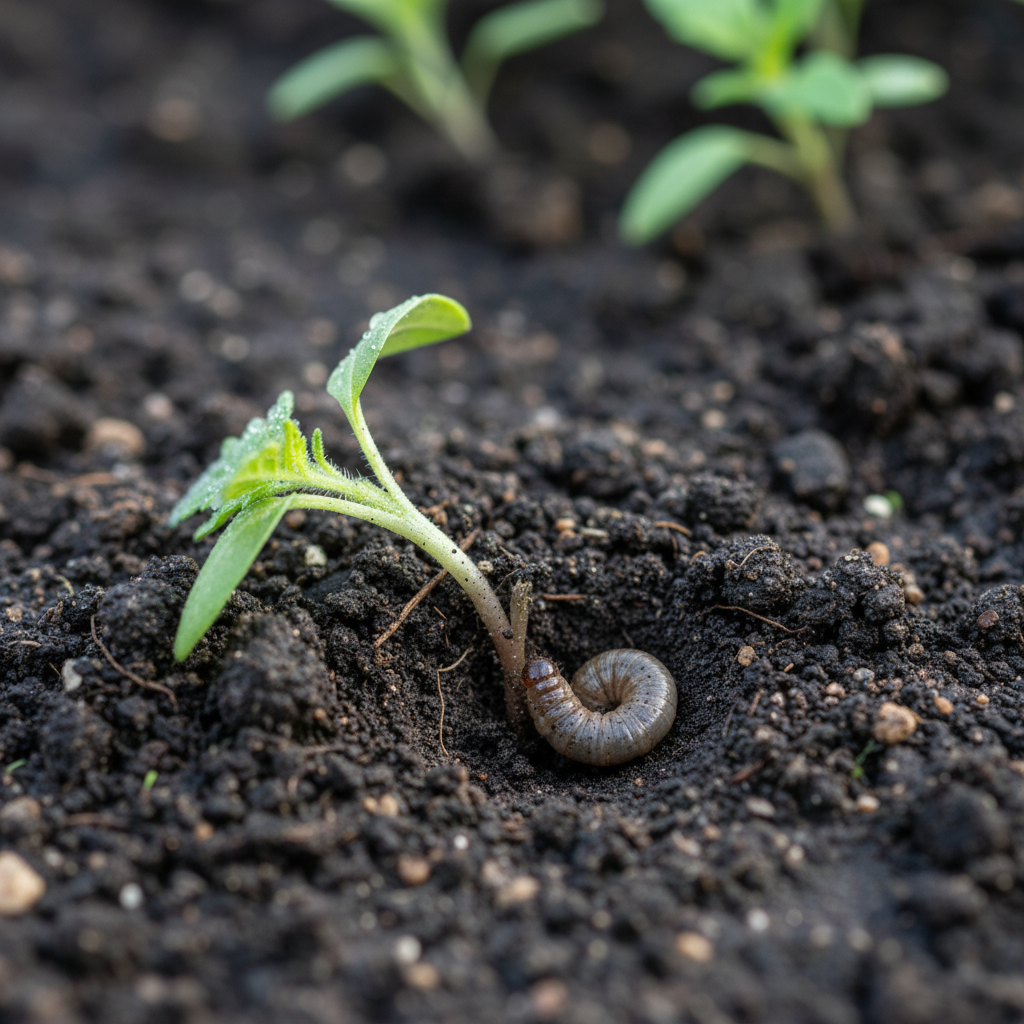
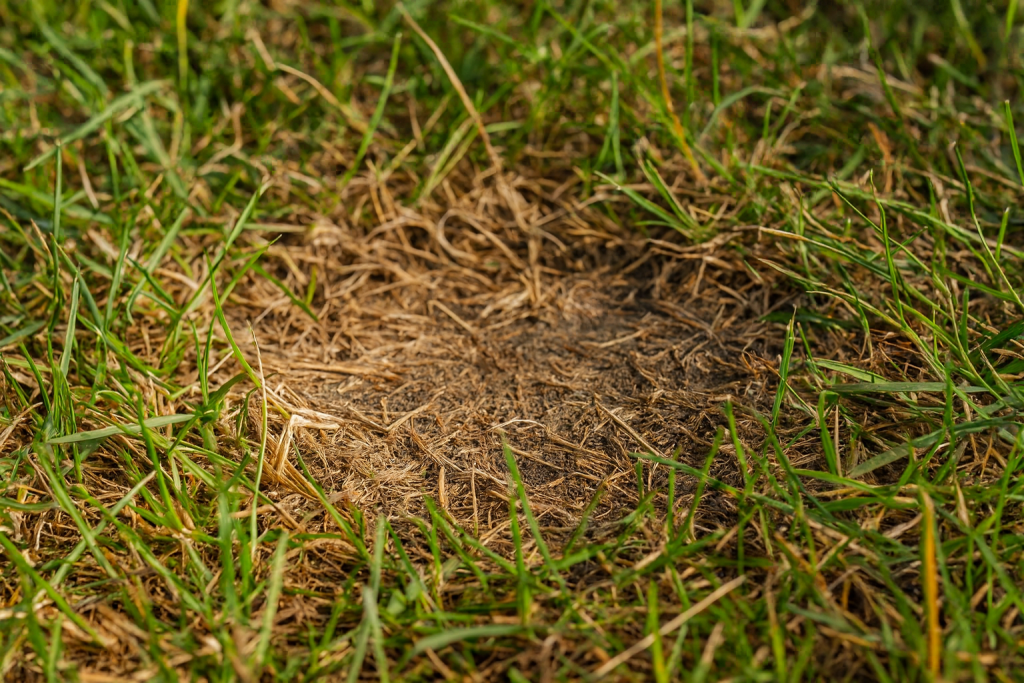


Check for severed seedlings and dig around soil to find larvae.
The predatory Podisus maculiventris bug serves as a powerful yet eco-friendly biological control agent against destructive caterpillar and beetle pests that threaten greenhouse and field…
Buy