

Phytoseiulus persimilis
To order biopesticides,
please send us an email to :
please send us an email to :


Targeted crops
- Cannabis
- Fruit trees:
- Orchard
- Hop
- Ornamental plants
- Small fruits:
- Blueberries
- Raspberries
- Strawberries, etc.)
- Vegetable crops:
- Cucumbers
- Peppers
- Tomatoes, etc.

Targeted pests
- Two-spotted spider mite (Tetranychus urticae)

Application Instructions
Before introduction, very gently rotate the tube to homogenize the content inside and spread the mites all over the tube.
Sprinkle on the soil or foliage of your plants, ensuring that the individuals are well dispersed. The mites are mobile and can be seen with a 10-15 X magnifying glass.
Preventive application rates* generally range from 1-2 individuals per m², 5-10 individuals per m² for light infestations, and 20-50 individuals per m² for severe infestations. Repeat introductions every week until control.
*Introduction rates may vary depending on specific crop conditions, the type of pest present, and the level of infestation.

Storage Instructions
Use upon receipt.
Do not refrigerate or freeze.
Complementary products

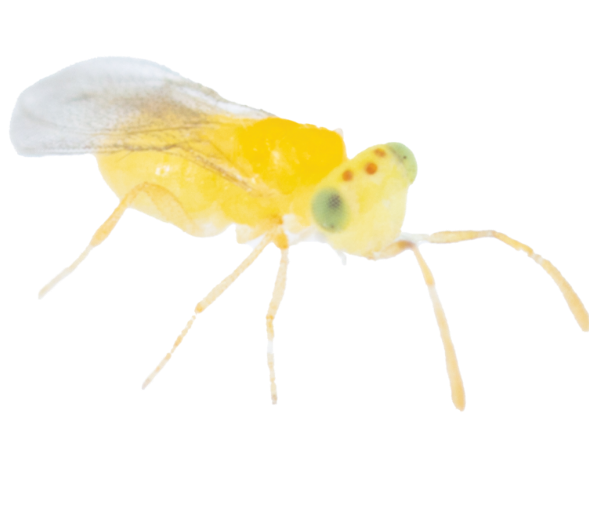

Description
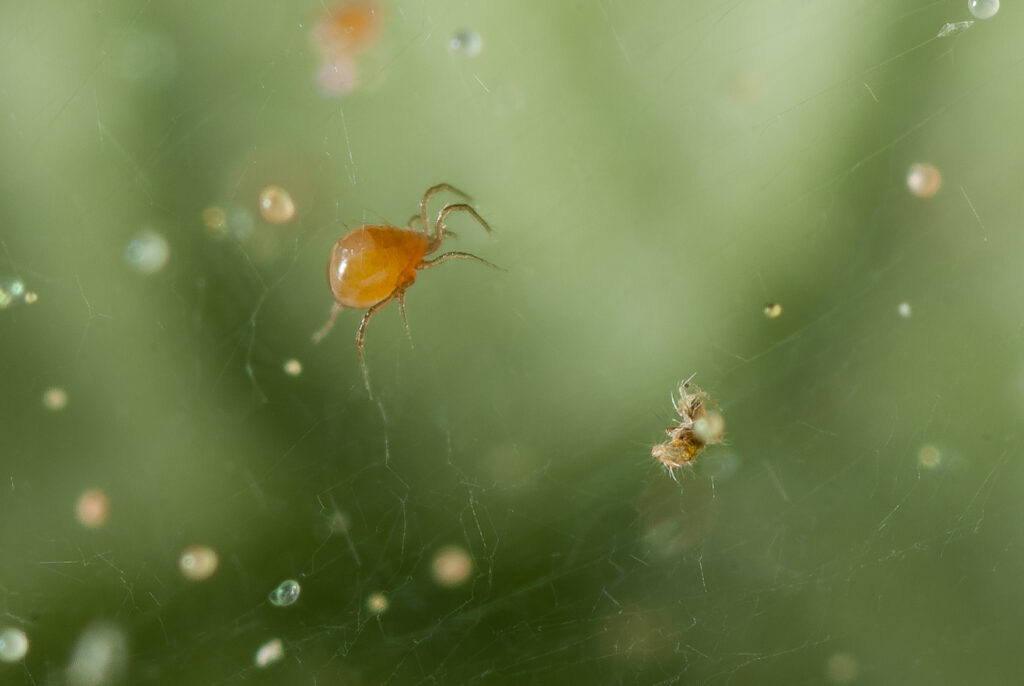
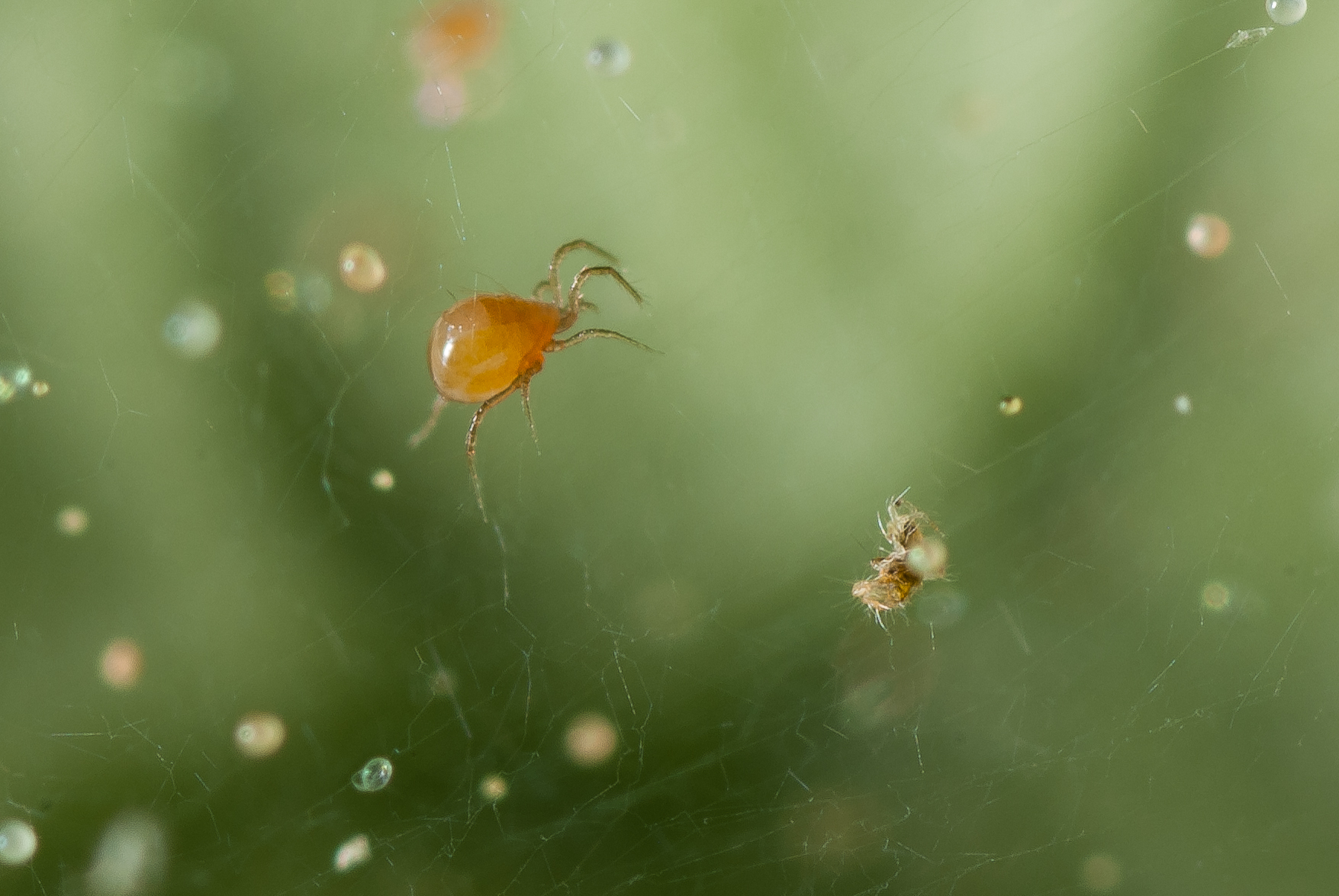
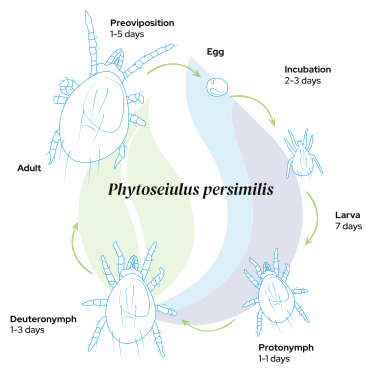
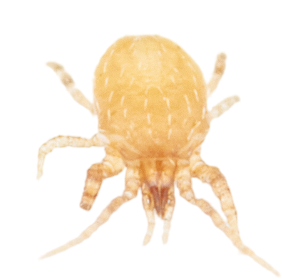
Phytoseiulus persimilis is a predatory mite native to Chile commonly used for the control of two-spotted spider mite (Tetranychus urticae) in fruit, ornamental, and vegetable crops. The adults feed on the eggs, juveniles, and adults of the pest. P. persimilis is highly mobile and demonstrates great dispersal capacity under the right environmental conditions. Unlike other predatory mites, it is capable of moving in the webs of two-spotted spider mites. It reproduces very quickly, which gives it an advantage when pest populations are high.
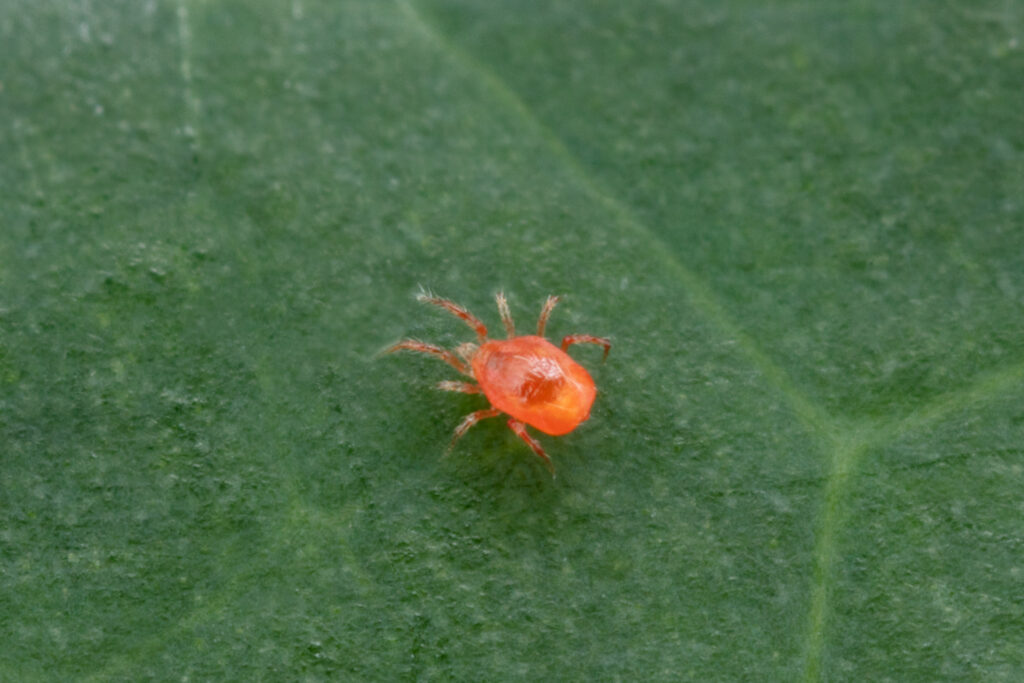
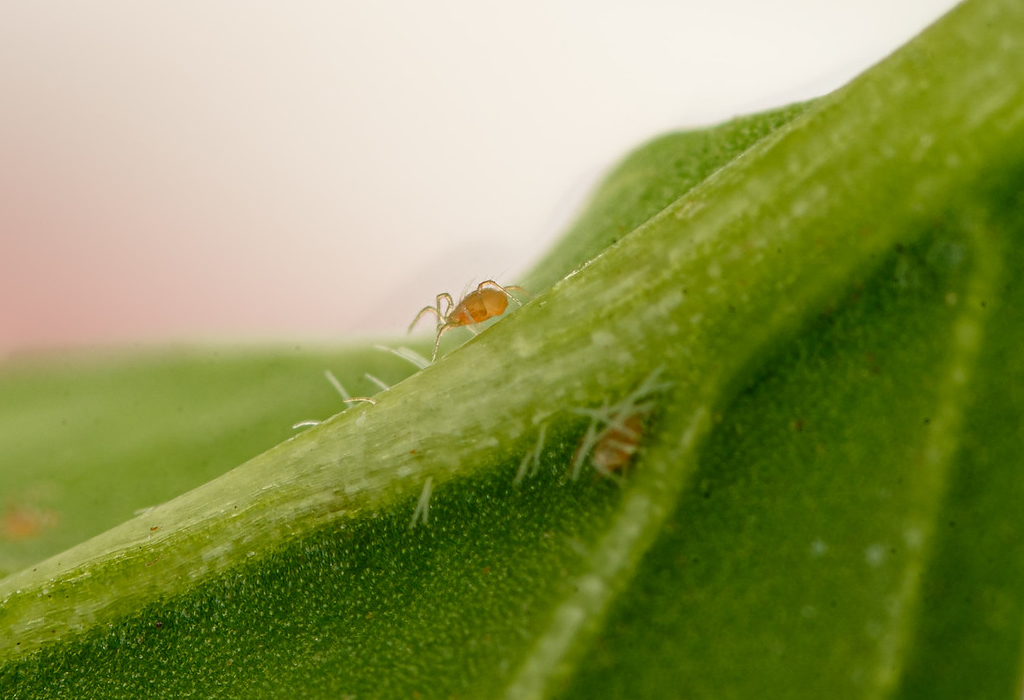
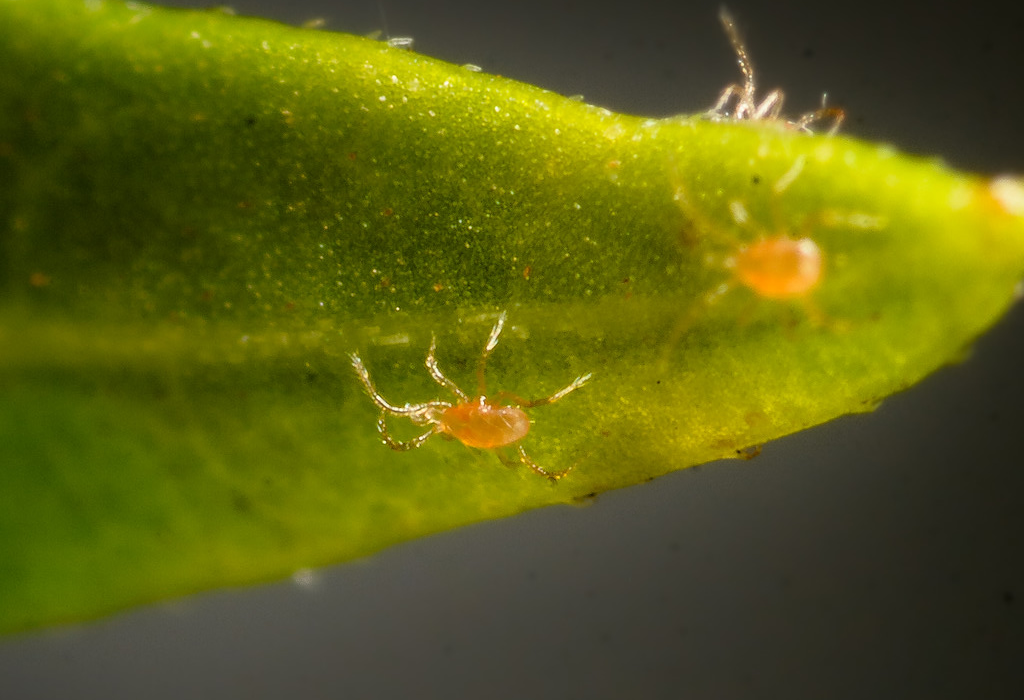
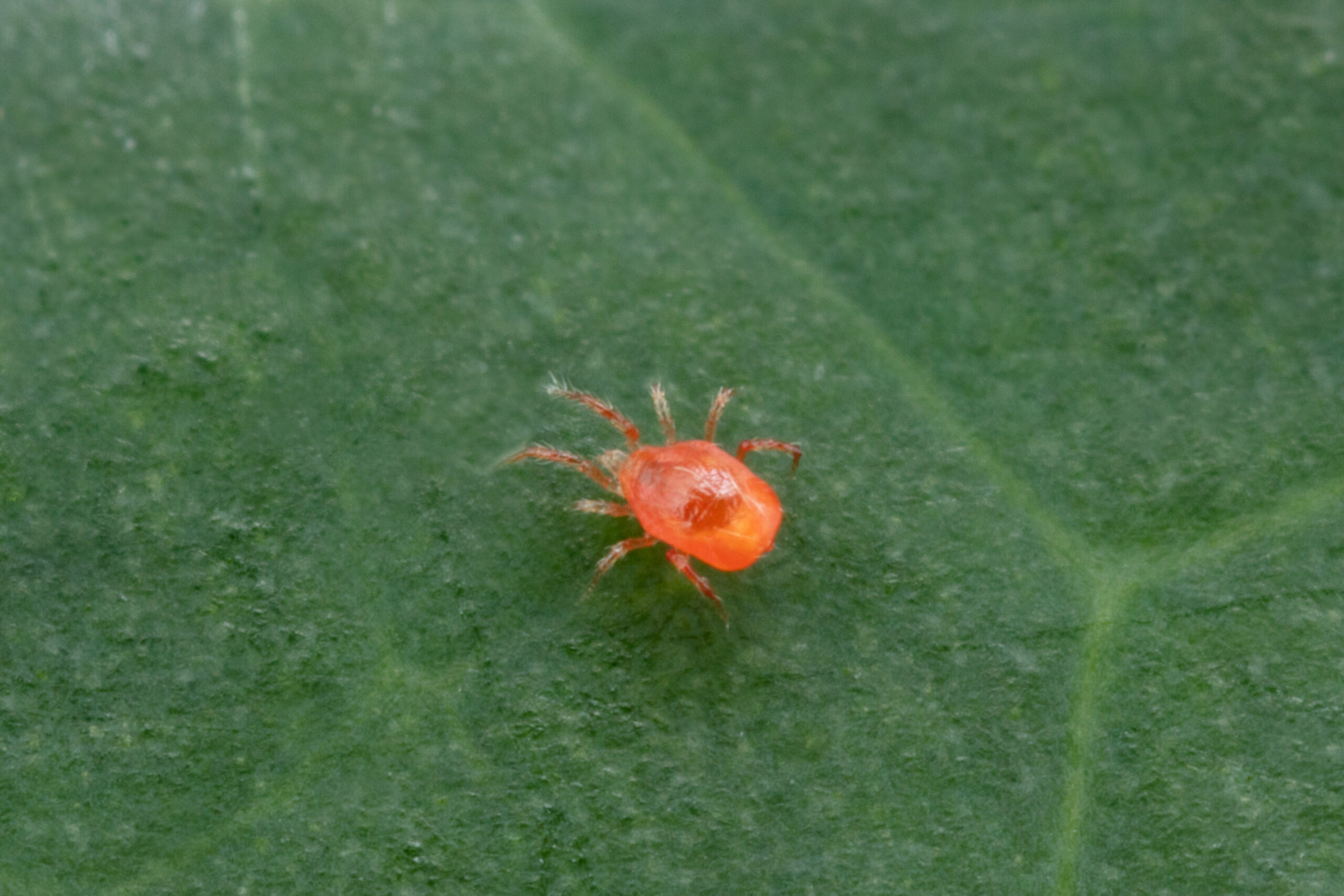
The adult is pear-shaped with long legs and measures 0.5 mm in length. With its orange coloration, it is easy to spot. The immature stages are generally semi-transparent orange in color. The eggs are oval and measure 0.3 mm (twice the size of a two-spotted spider mite egg).
Although excellent for controlling moderate to high infestations of two-spotted spider mites, it can be used for pest detection, but does not provide as effective preventive control as Neoseiulus fallacis. For best results, Phytoseiulus persimilis can be used with the latter and with the predatory lady beetle, Stethorus punctillum.