

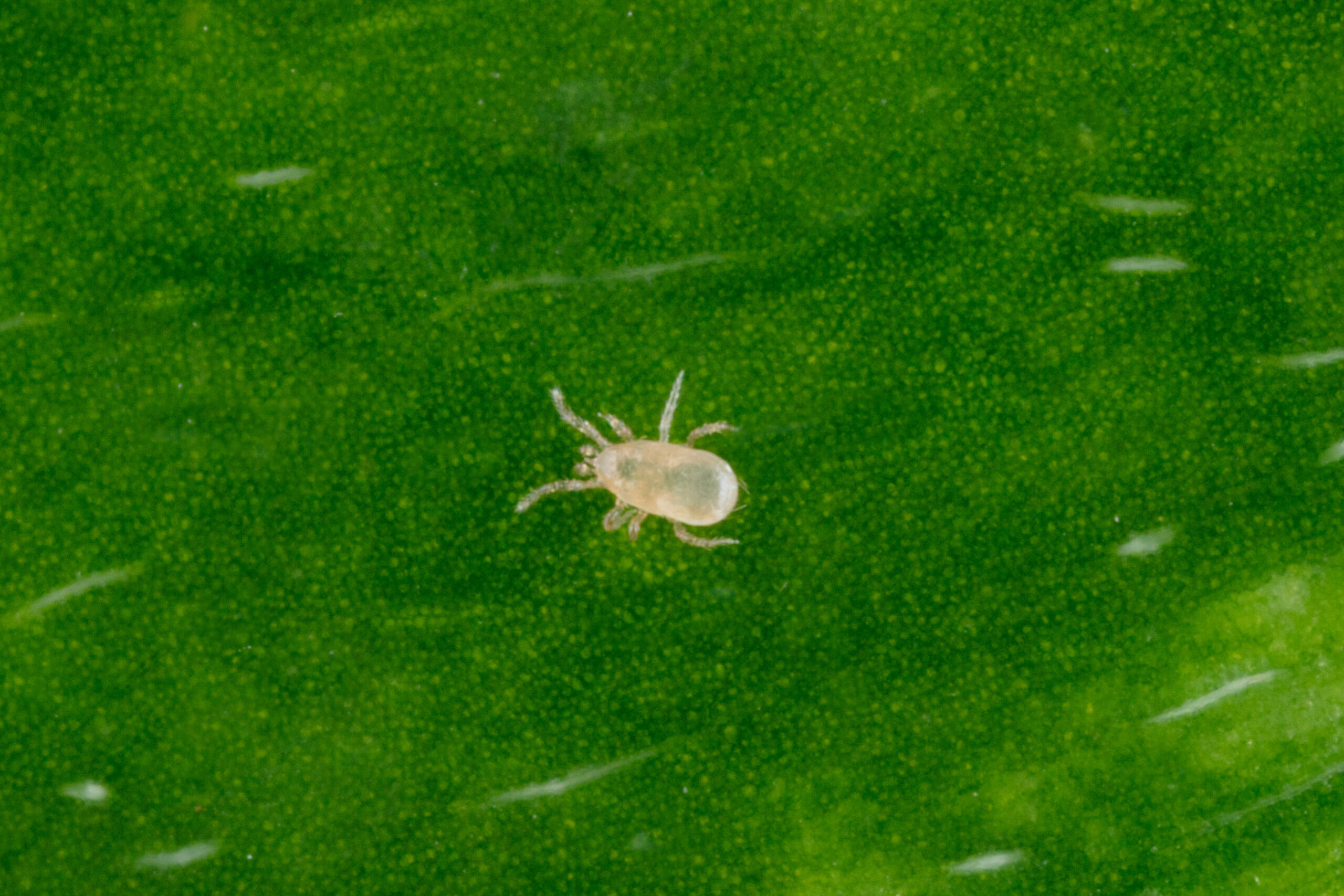
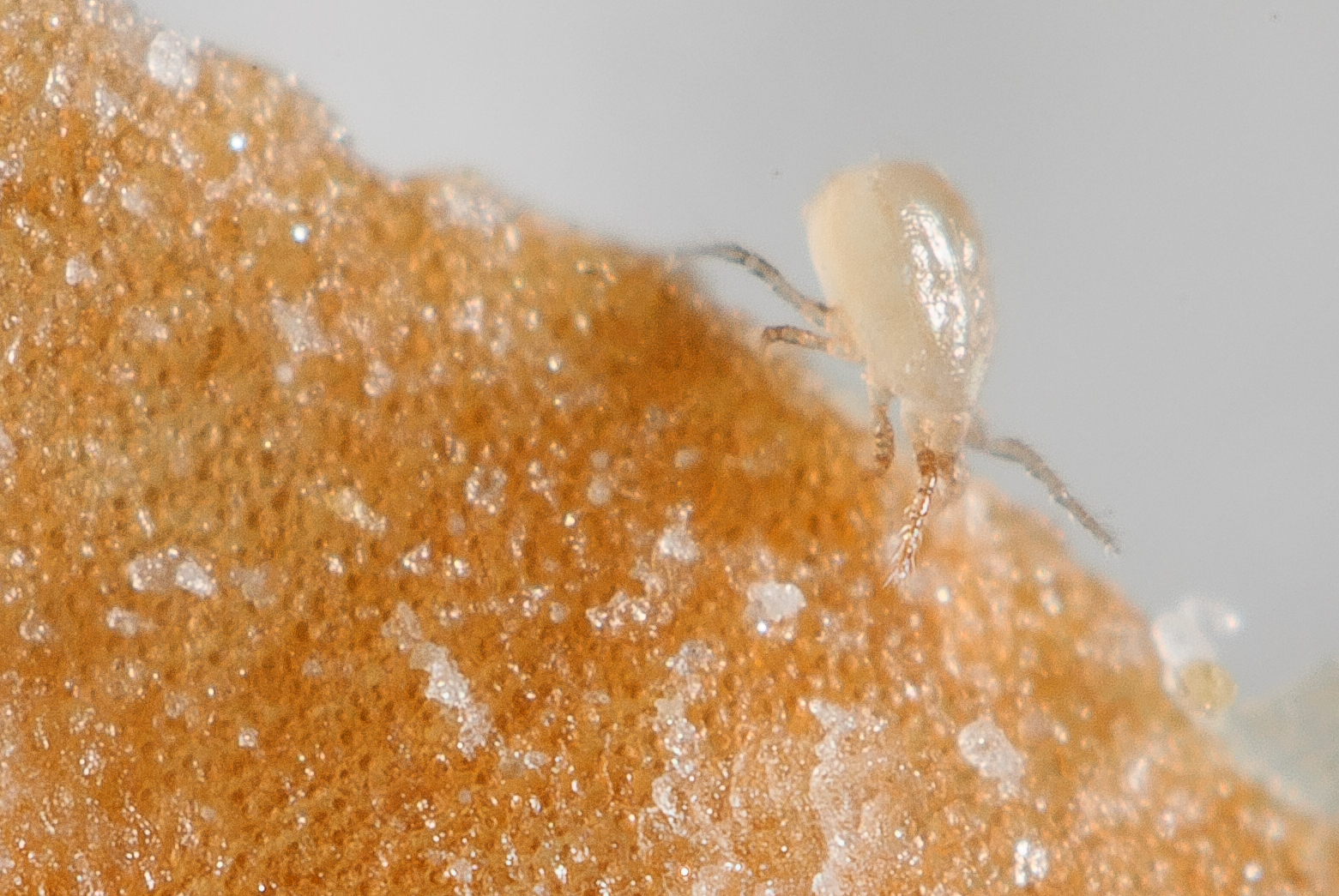
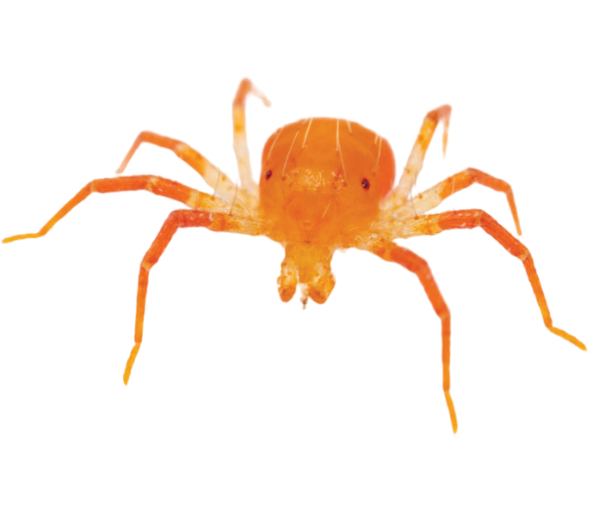
Neoseiulus cucumeris
please send us an email to :


Targeted crops
- Greenhouse Ornamentals
- Market garden crops:
- Cucumbers
- Tomatoes
- Peppers, etc.
- Interior and exterior:
- Planters and other flower boxes

Targeted pests
- Onion thrips (Thrips tabaci)
- Western flower thrips (Frankliniella occidentalis)
- Eastern flower thrips (Frankliniella tritici)
- Cyclamen (or strawberry) mite (Phytonemus pallidus)
- Broad mite (Polyphagotarsonemus latus)
- Spruce spider mite (Oligonychus ununguis)
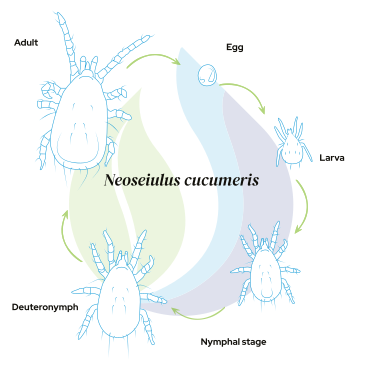

Application Instructions
Neoseiulus cucumeris can be introduced in two main ways: bulk or sachets.
Bulk
Before introduction, very gently rotate the tube to homogenize the content inside and spread the mites all over the tube.
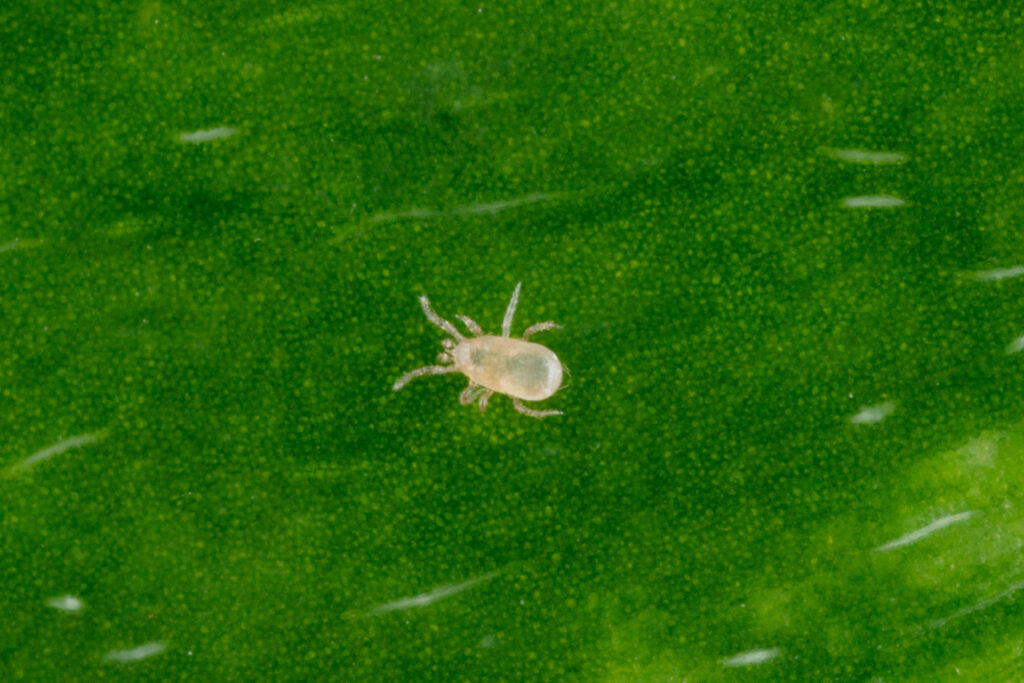
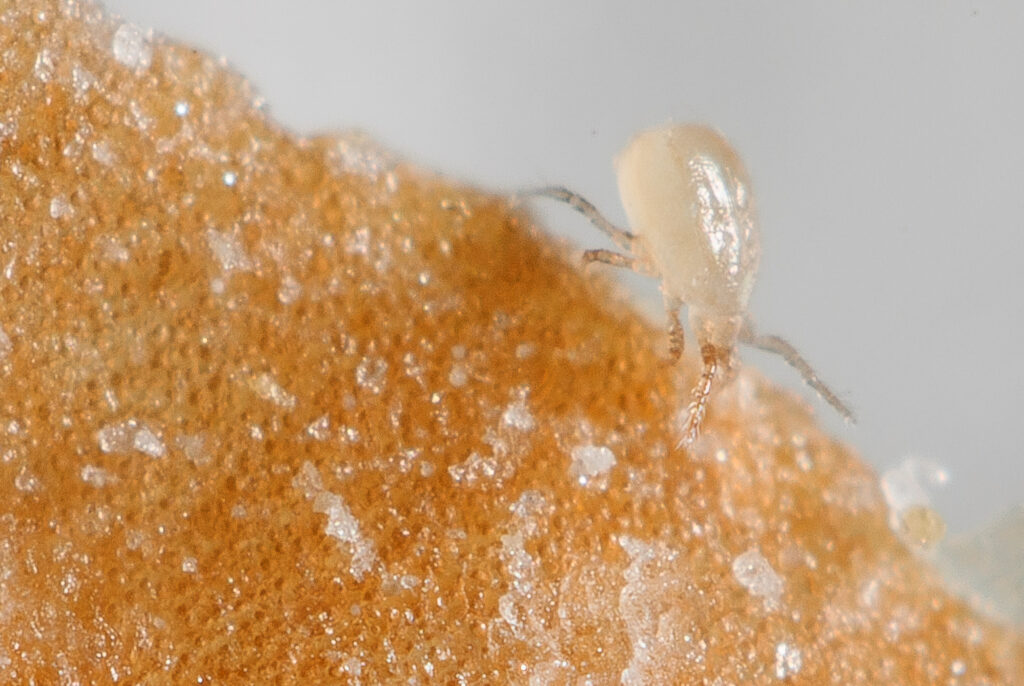
Sprinkle onto plants and foliage. The mites are mobile and can be seen with a 10-15 X magnifying glass.
Preventive application rates* generally range from 25-50 individuals per m² and 50-500 individuals per m² for curative treatment. Repeat until control.
Sachets
Protect from direct sunlight and overhead watering.
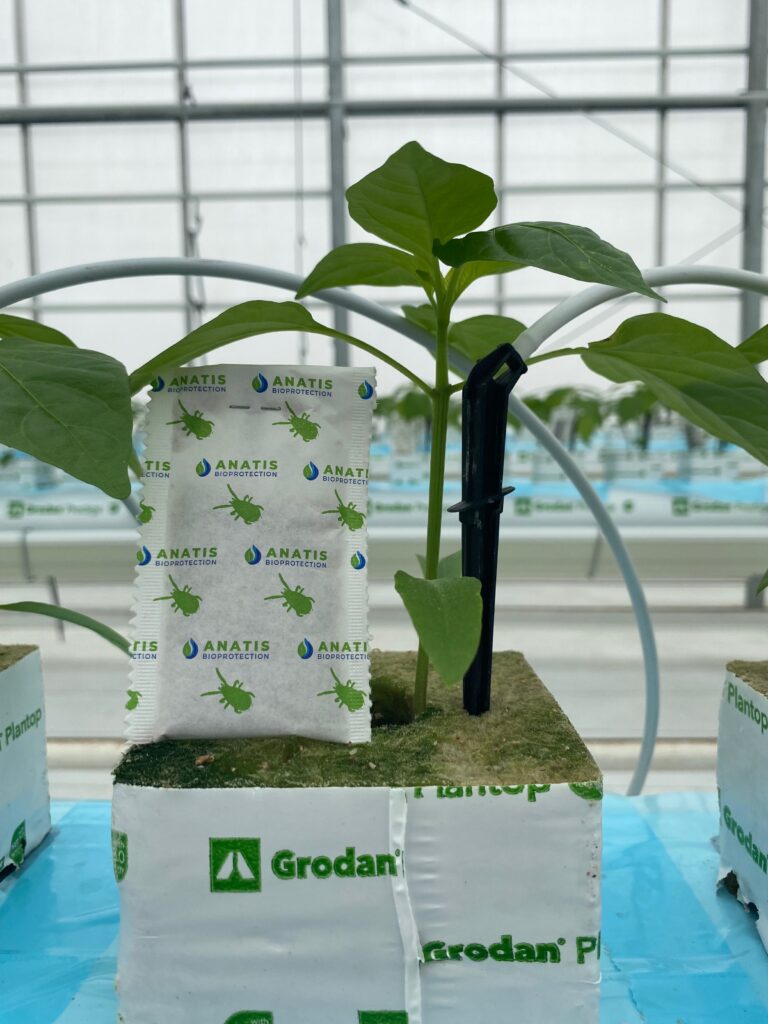
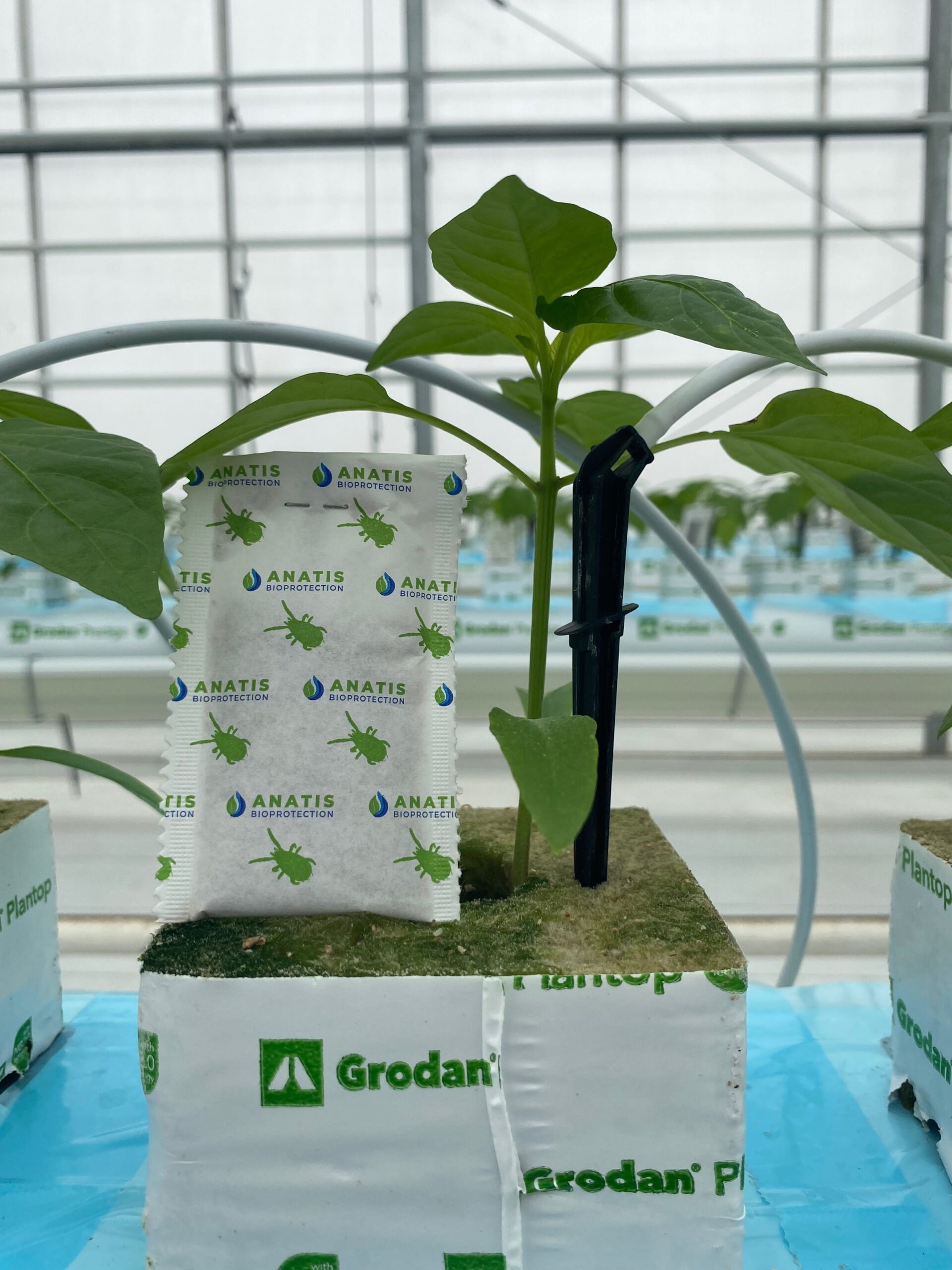
Sachets on hooks : Hung at the center of the plants.
Sachets on sticks : Place near the base of the plants.
Preventive and curative application rates* generally are 1 sachet per plant for large crops (e.g., tomato, cucumber, cannabis). If plants are small and close together with canopies touching, apply 1 sachet every 3–5 m², depending on plant size, crop type and level of infestation. Change sachets every 4-6 weeks or until control.
*Introduction rates may vary depending on specific crop conditions, the type of pest present, and the level of infestation.

Storage Instructions
Use upon receipt to ensure maximum efficacy.
Do not refrigerate or freeze.
To ensure freshness, make sure that air circulates properly in the space where they
are placed to avoid the buildup of carbon dioxide.


Description
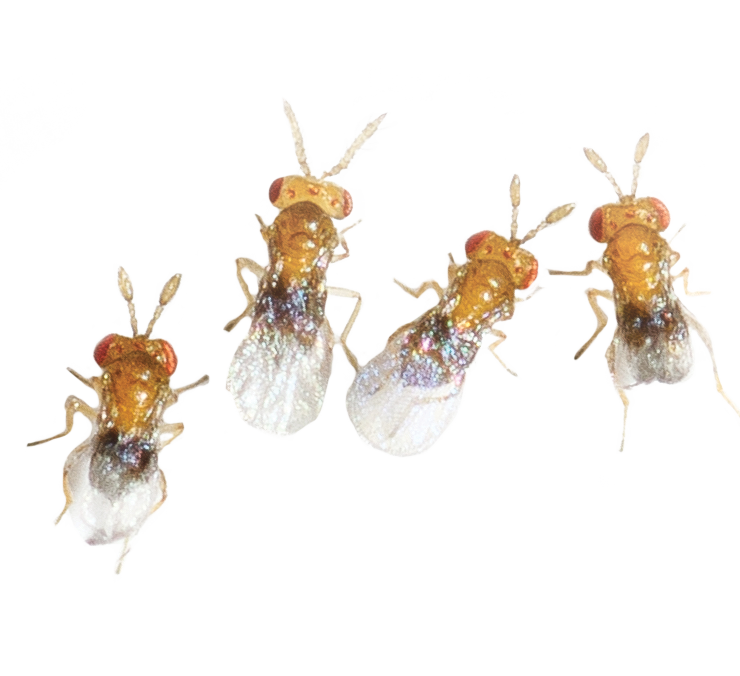
Neoseiulus cucumeris is a highly effective predatory mite that provides dependable pest control in ornamentals, fruits and market gardens. In addition to controlling Onion thrips (Thrips tabaci) and Western flower thrips (Frankliniella occidentalis), it can also reduce two-spotted spider mites, cyclamen mites, broad mites as well as Schizotetranychus species populations – when deployed with other beneficial soil dwellers such Stratiolaelaps scimitus or Dalotia coriaria! With integrated management employed during the ideal weather conditions for up to 3 weeks – this predator has proven its value time again against garden pests.