

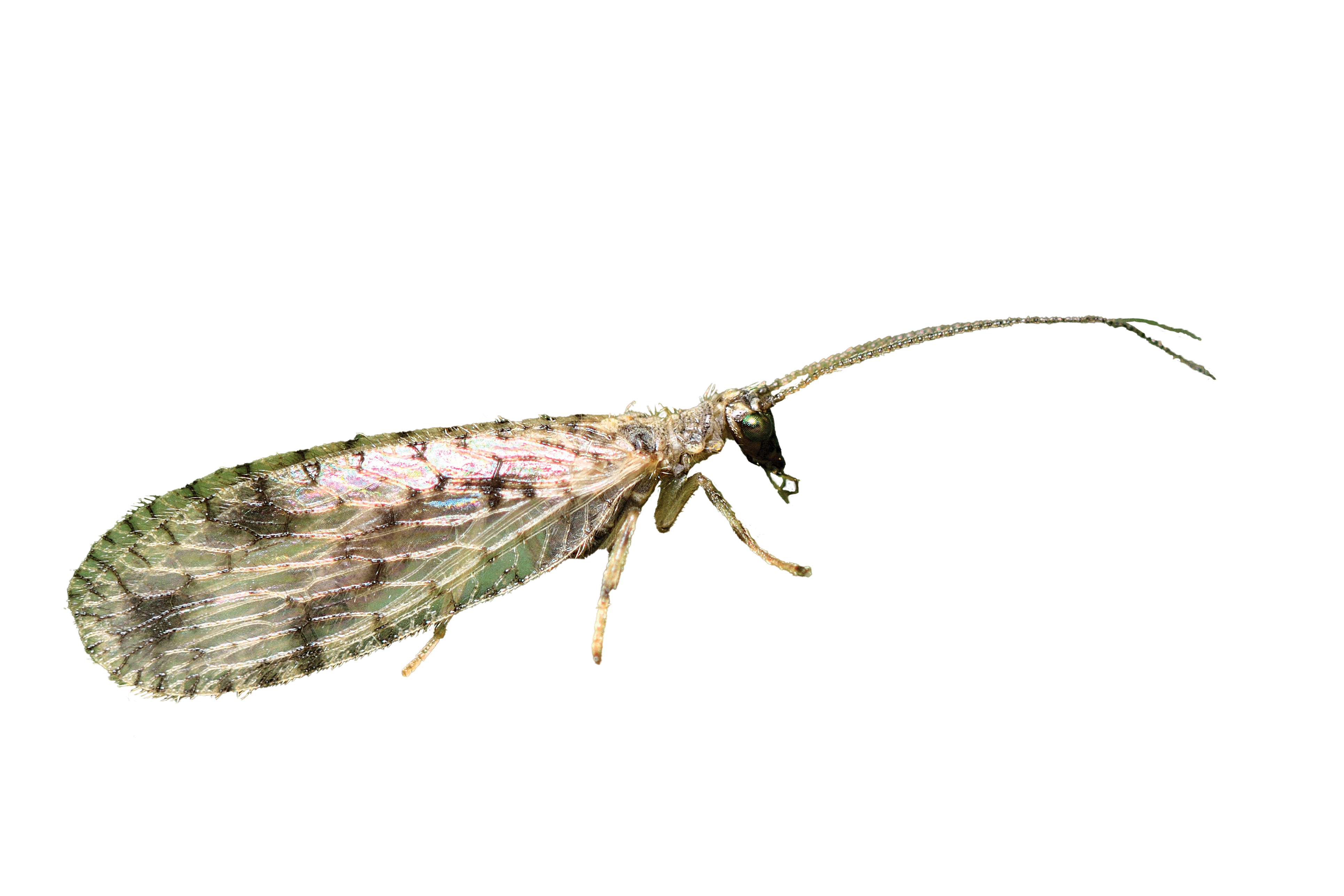
Micromus variegatus
please send us an email to :


Technical sheet
DOWNLOAD IT NOW!Get easy access to all the information on this product by consulting its technical data sheet.


Targeted crops
- Celery
- Cruciferous vegetables
- Cucumbers
- Grapes
- Lettuce
- Orchards
- Ornamentals
- Peppers
- Potatoes
- Raspberries
- Strawberries
- Tomatoes
- Trees Bushes and shrubs
- Rose bushes
- Apple trees, etc.)

Targeted pests
- Aphids
- Spidermites
- Thrips
- Whiteflies

Application Instructions
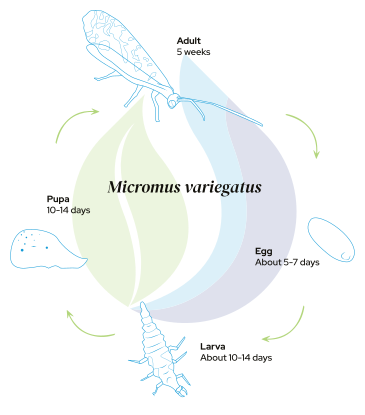
Eggs
Carefully remove the strings from the container and separate them thoroughly. Ensure optimal temperatures of 15-26ºC.
Place strings on the foliage near aphids. Loose eggs can be applied by gently sprinkling across foliage and/or on top of plants.
Adults
Ensure optimal temperatures of 15-26ºC. To improve dispersion and efficacy reduce fans speeds at night, when adults are most active.
Find an area low in the canopy of the crop and off the ground, and remove the lid from the container to allow the adults to emerge on their own.
Preventive application rates* generally range from 20-50 individuals per m² and 50-200 individuals for a curative treatment (or more in cases of heavy infestation). Repeat introductions every week until control.
*Introduction rates may vary depending on specific crop conditions, the type of pest present, and the level of infestation.

Storage Instructions
Use upon reception. A mortality rate of less than 10% is normal.
Do not refrigerate or freeze.

Description
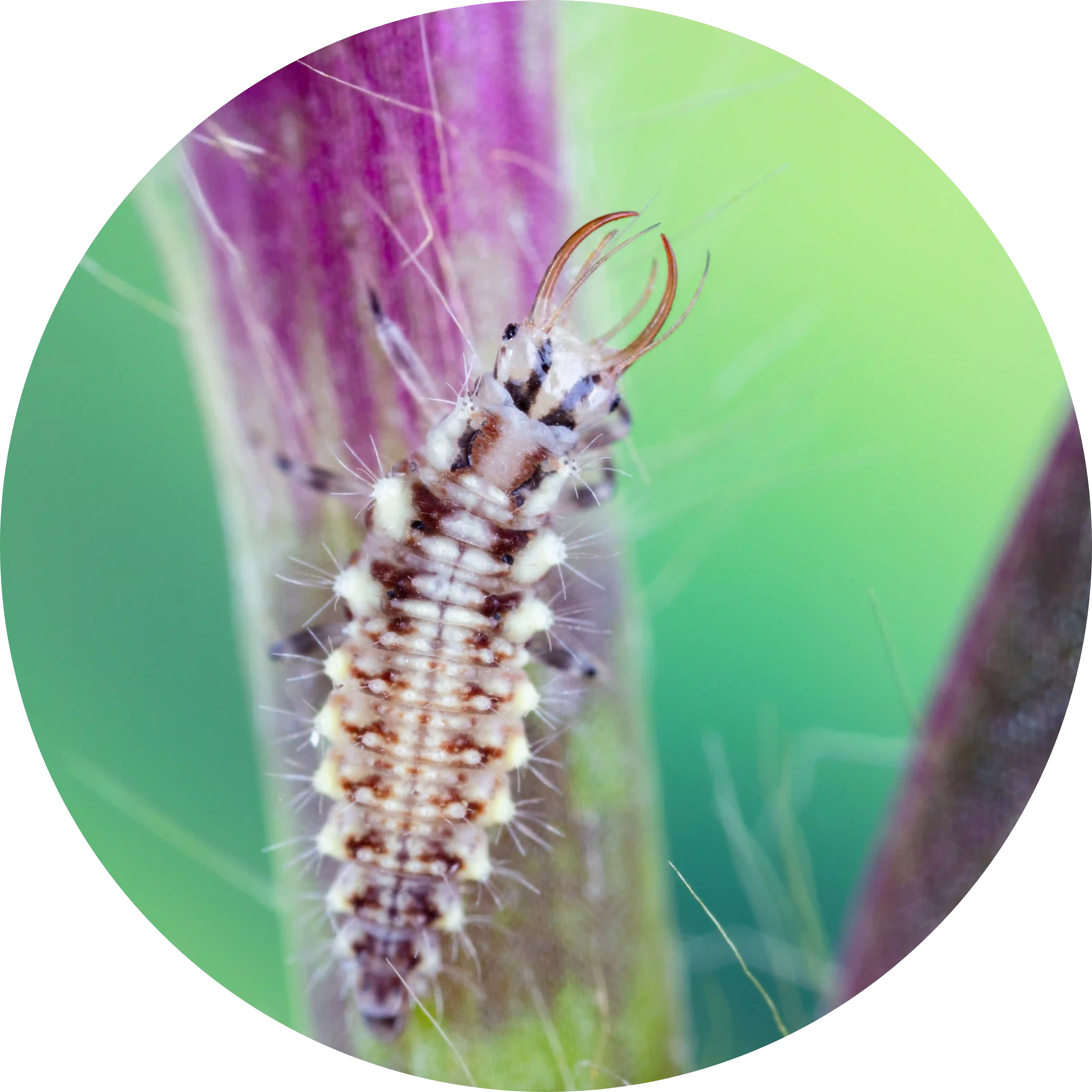
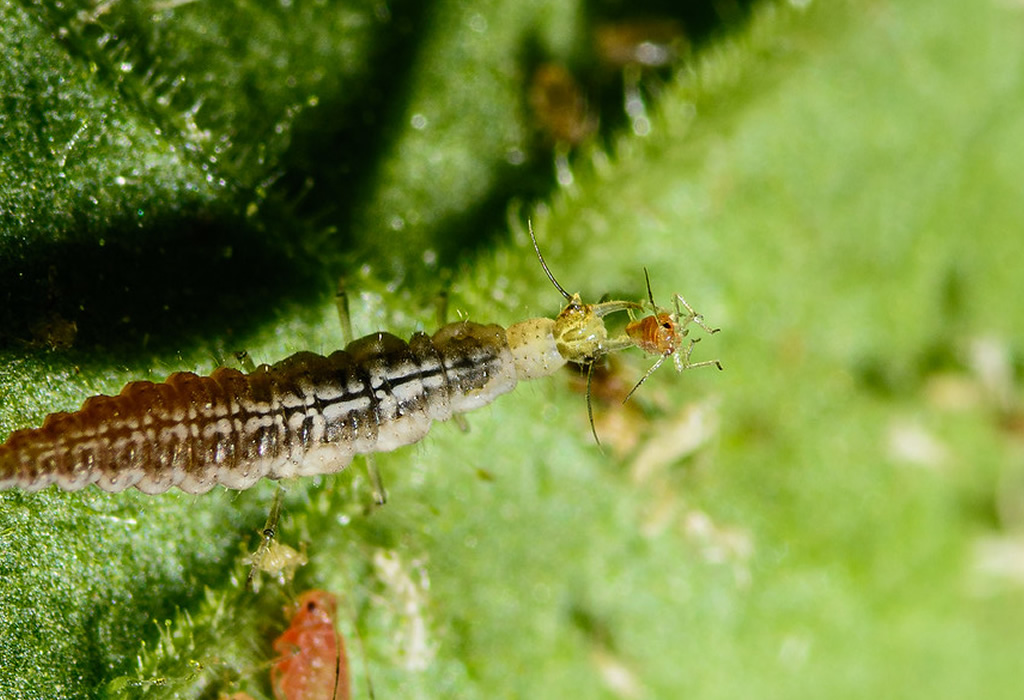
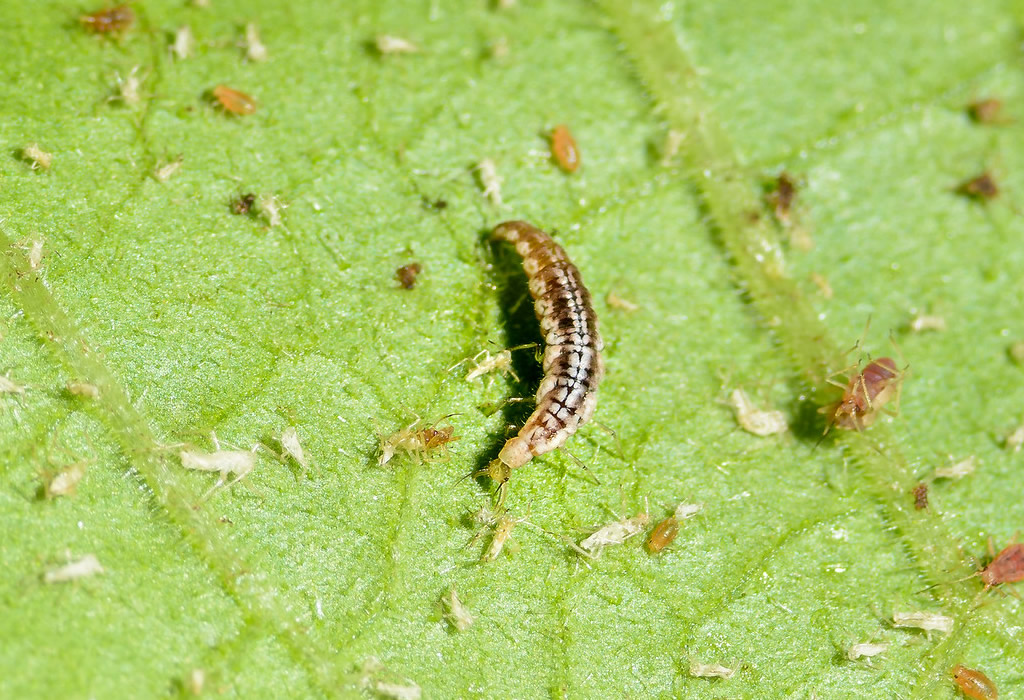
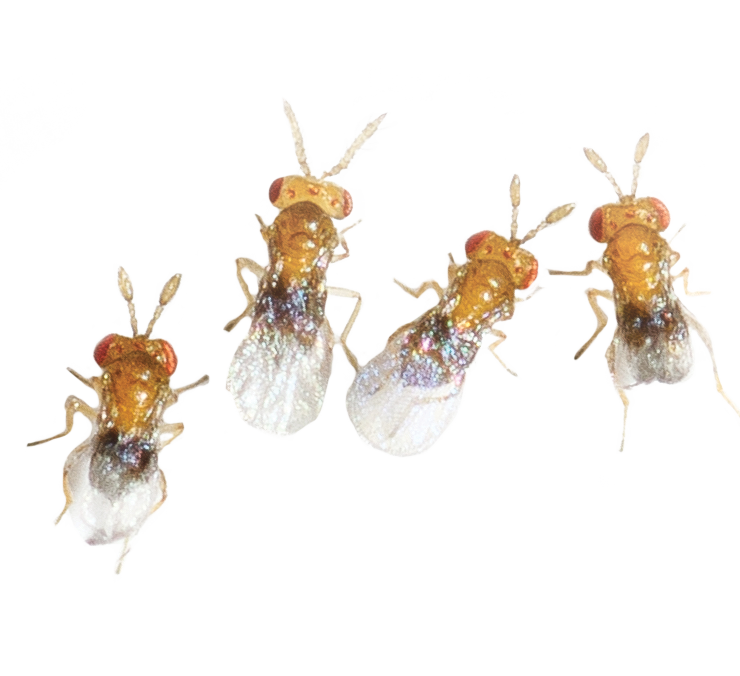
Micromus variegatus, also called Brown lacewing, is a beneficial insect that demonstrates an excellent ability to predate on different species of insect pests in greenhouse crops. Both adults and larvae are generalist, primarily attacking aphids, thrips, whiteflies, mite pests and other soft-bodied invertebrates.
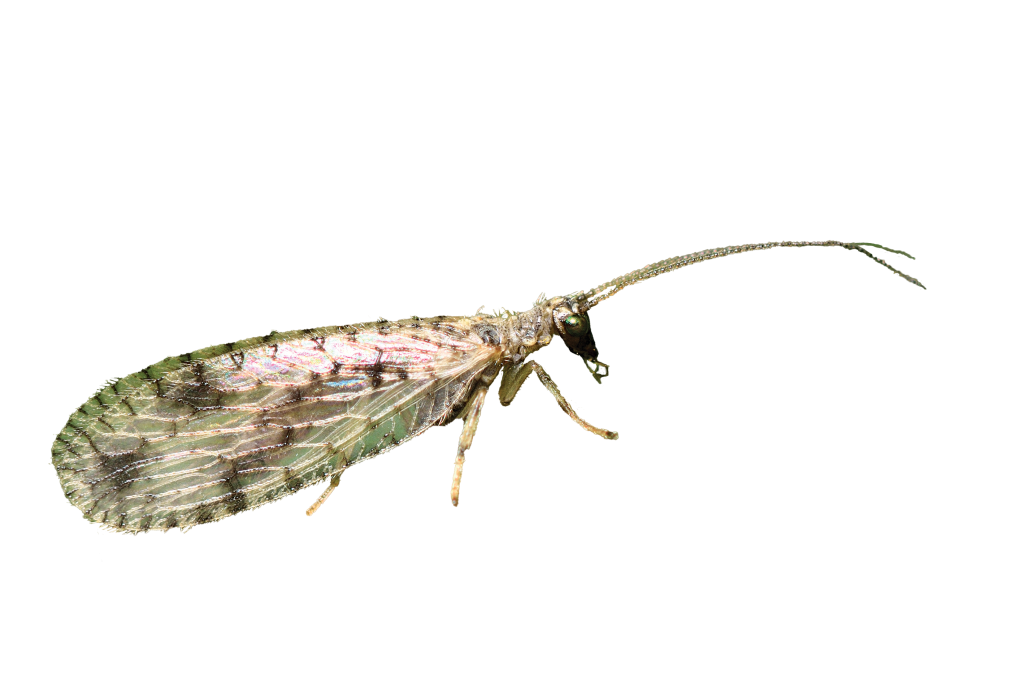
The adult is a pale brown insect with oval-shaped wings and long antennae. The eggs are also pale brown in color and are laid at the base of the plants. The larva has strong mandibles (mouthparts) which it uses to catch its prey.
Relatively new to the Canadian market, this biological control agent was first used in greenhouse pepper production for the control of foxglove aphid (Aulacorthum solani). Having demonstrated its great usefulness, it is now also used in the control of aphids and thrips in ornamental crops. One of the great advantages of Micromus variegatus is that it remains active at low temperatures (down to 4°C), which is certainly of interest to farmers operating winter crops in greenhouses.