

Encarsia & Eretmocerus
To order biopesticides,
please send us an email to :
please send us an email to :


Targeted crops
- Market garden crops:
- Cucumbers
- Eggplants
- Peppers
- Tomatoes, etc.
- Ornamental plants:
- Poinsettia, gerbera, etc.
- Indoor plants

Targeted pests
- Whiteflies (Trialeurodes vaporariorum)
- Greenhouse whitefly (Trialeurodes vaporarium)
- Sweetpotato whitefly (B. tabaci)
- Silverleaf whitefly (Bemisia argentifolii)
- Bandedwinged whitefly (T. abutlonea)

Application Instructions
Remove the packaging and separate the cards. Handle the cards carefully by holding them by their edges.
Place each card in the lower foliage of the plant, preferably in the shade. 1 card covers 20 to 100 m² depending on the crop.
Preventive application rates* generally range from 1-2 individuals per m², 3-5 individuals per m² for light infestations or severe infestations. Repeat introductions every week until control.
*Introduction rates may vary depending on specific crop conditions, the type of pest present, and the level of infestation.

Storage Instructions
Use upon receipt.
Do not refrigerate or freeze.
Complementary products


Description
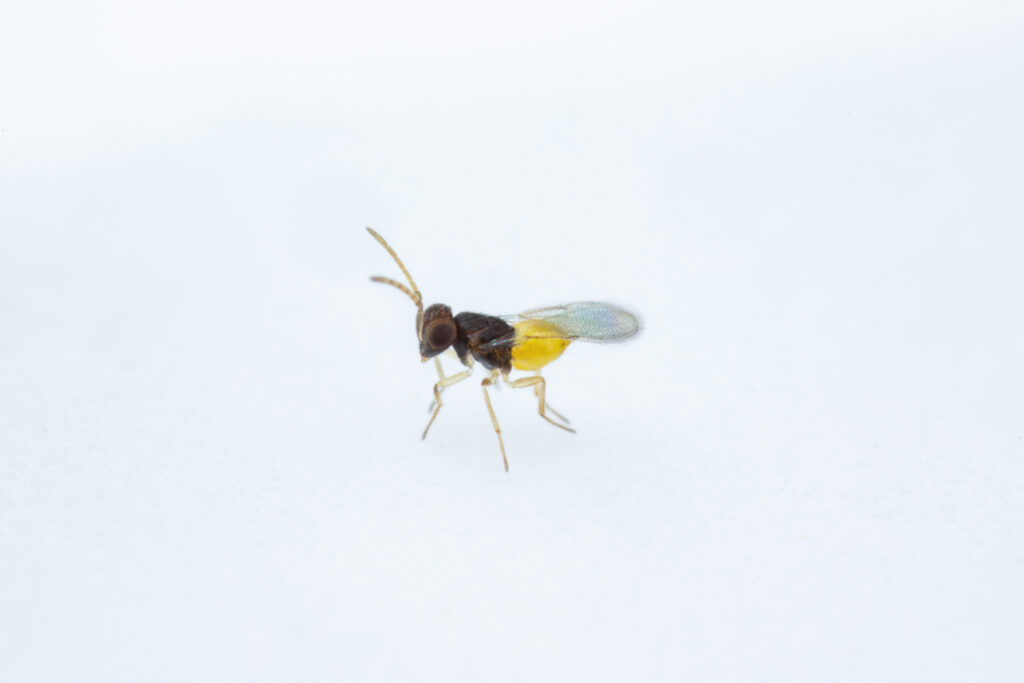
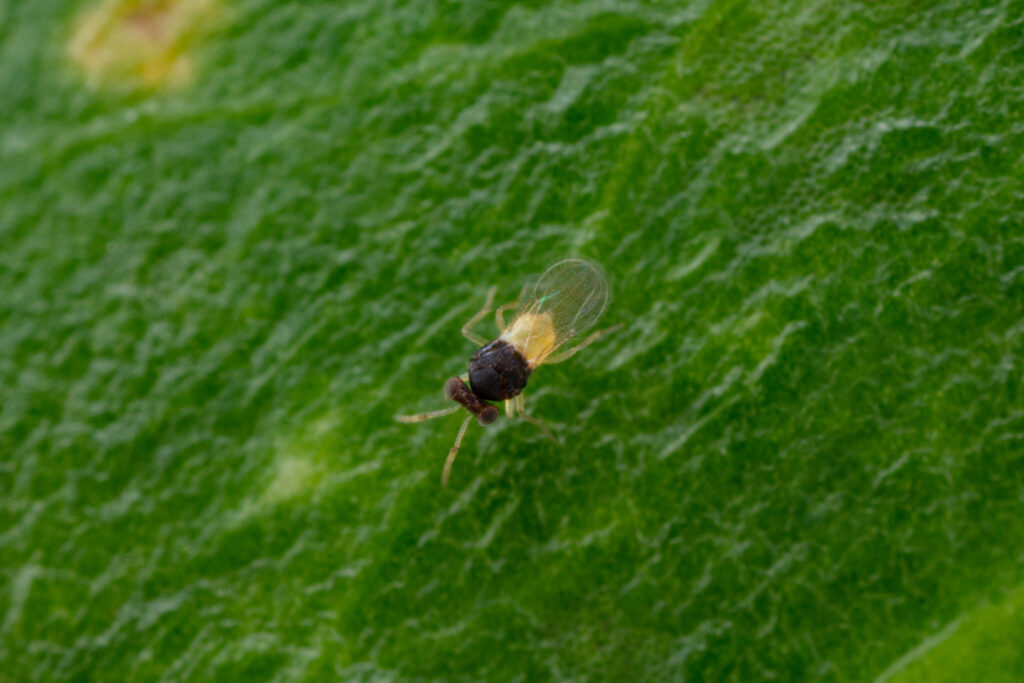
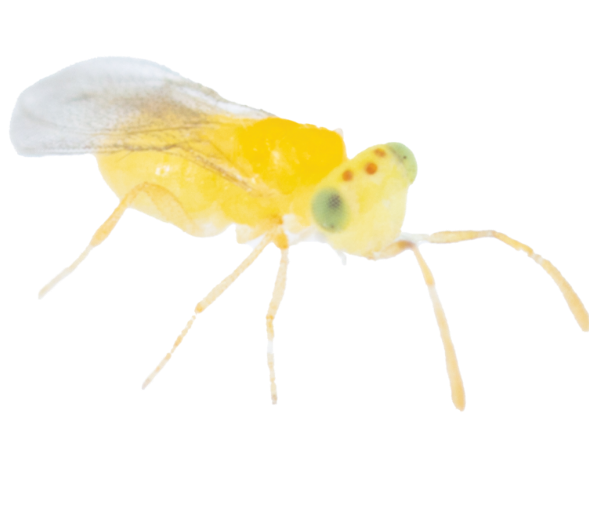
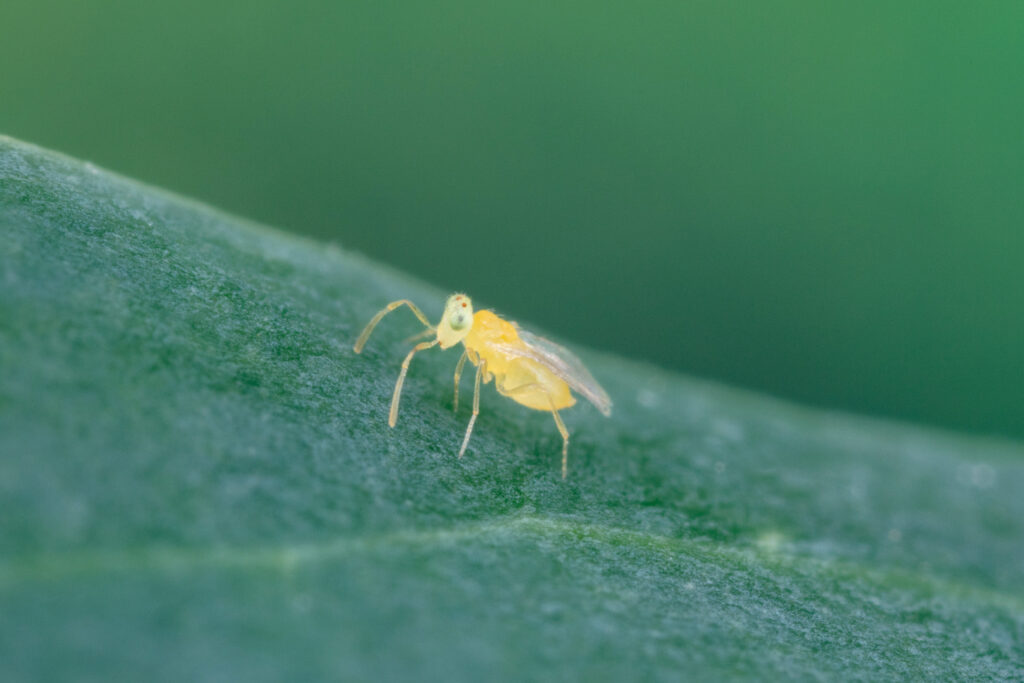
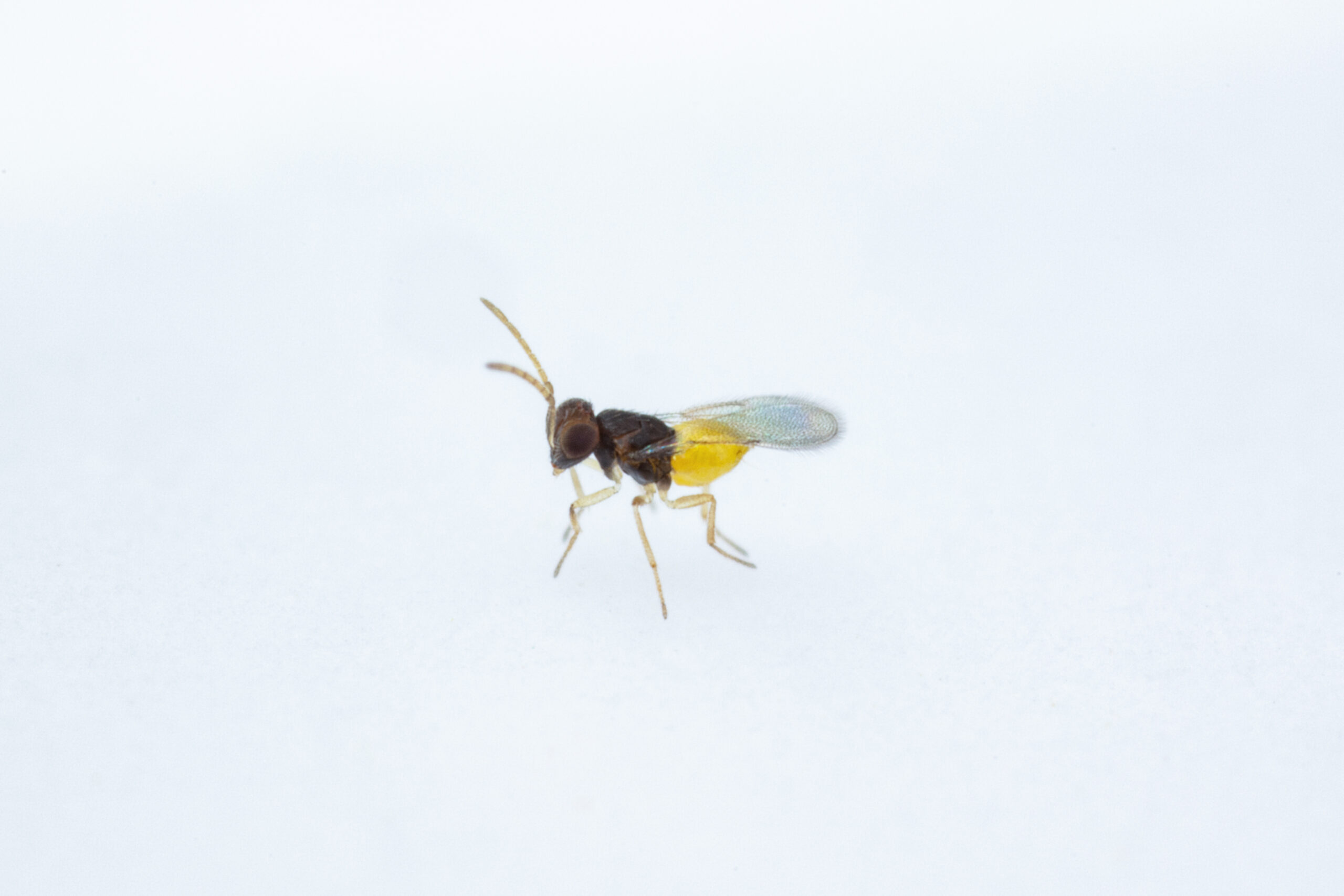
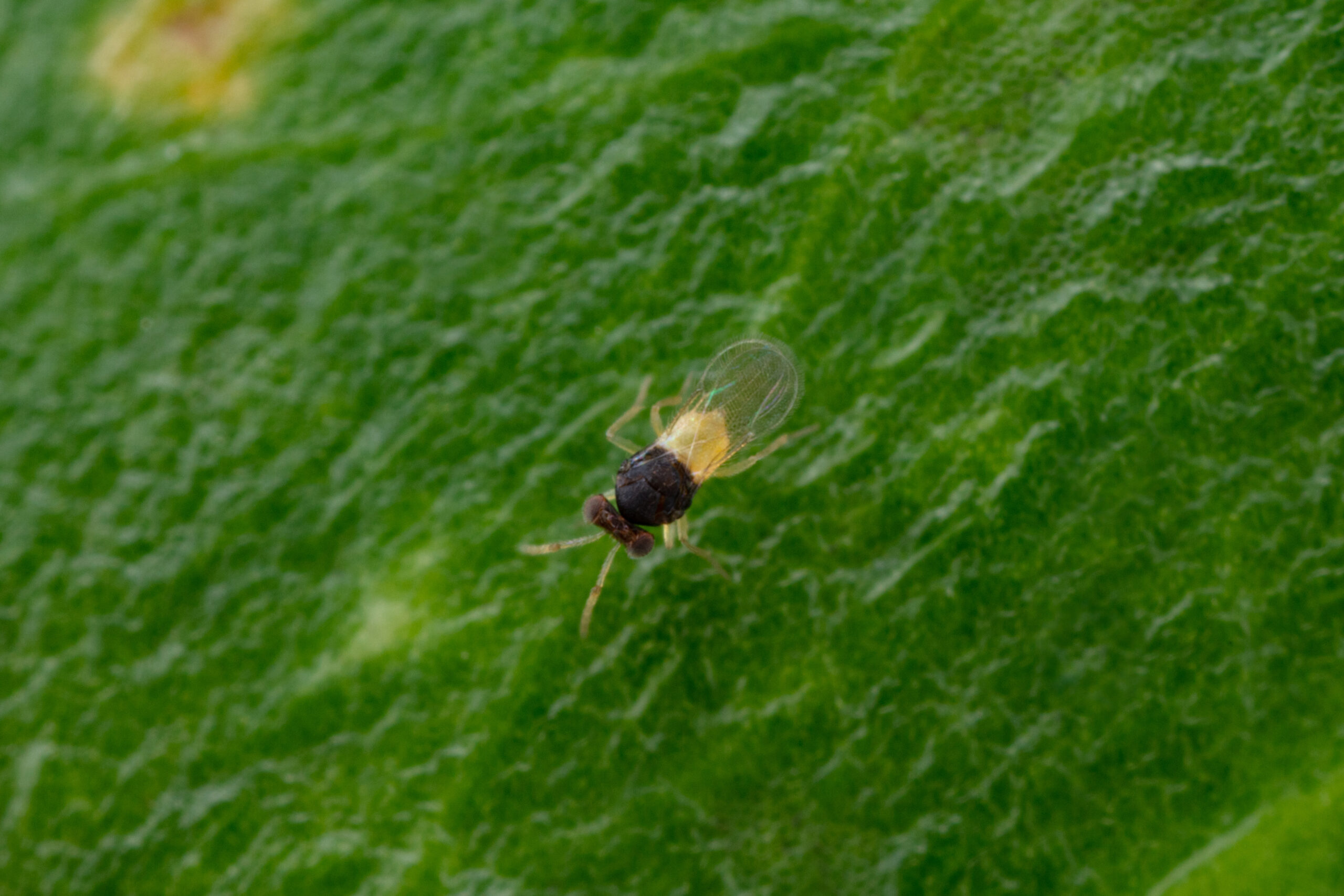
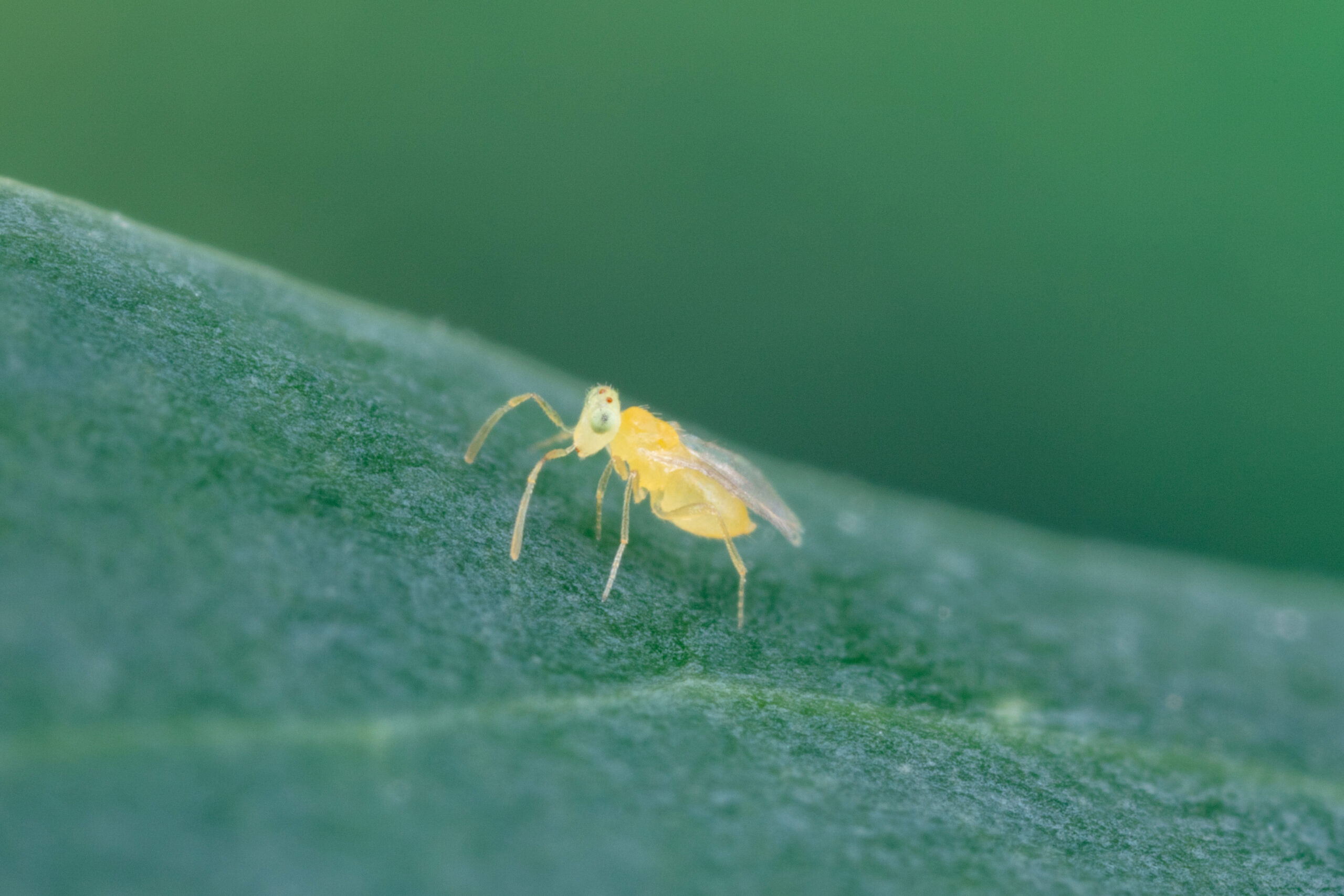
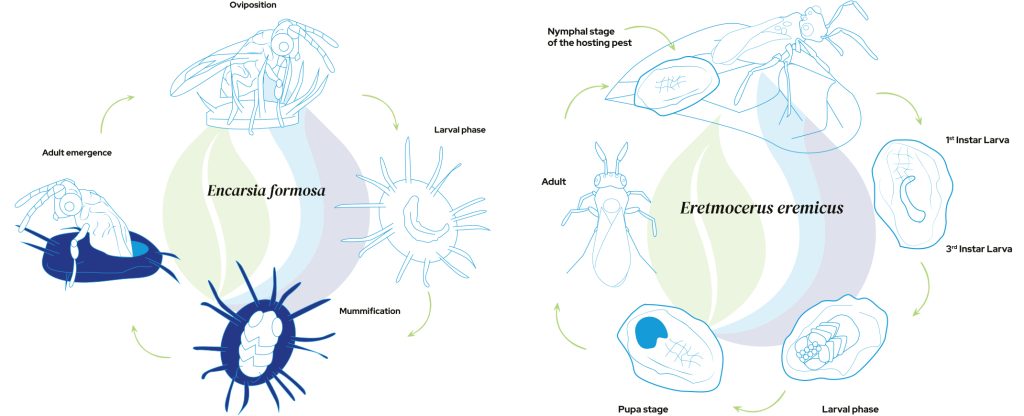
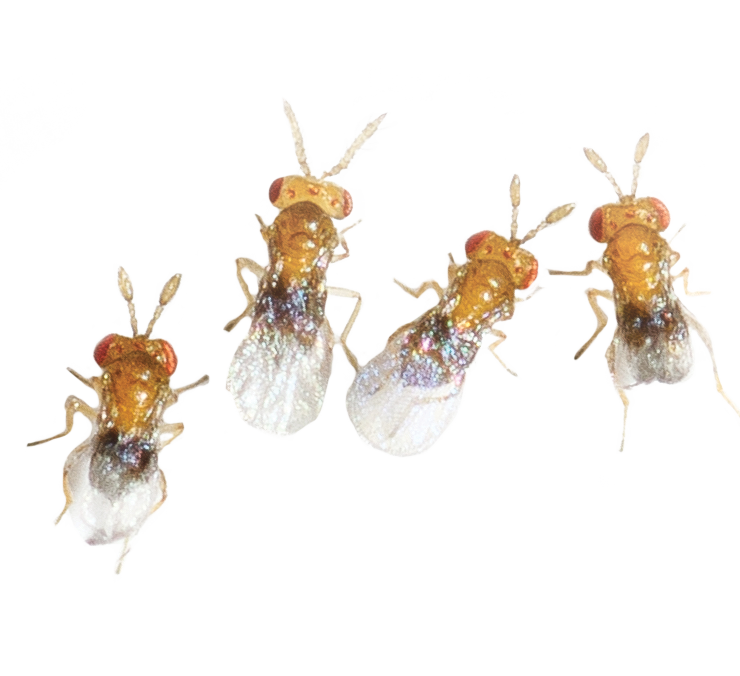
Encarsia formosa is a small beneficial insect that is widely used in organic agriculture to combat whitefly infestations, particularly in tomato, cucumber, and pepper crops. It is an endoparasitoid, meaning it lays its eggs inside the eggs or larvae of whiteflies, and the Encarsia formosa larvae then feed on the inside of their host, causing its death.
WARNING: Ants can cause severe damage to Encarsia formosa pupae, making it critical to monitor and manage them in any aleurodes pest control program.
Eretmocerus eremicus is an invaluable asset when it comes to controlling whitefly populations in greenhouses. This small parasitoid wasp feeds on larvae, which allows for a significant reduction in populations quickly. Thanks to the large number of eggs that females lay and their impressive reproductive speed, they have an impressive parasitism rate (74%). Combined with Encarsia formosa, you get a powerful combination that helps eradicate whiteflies.