

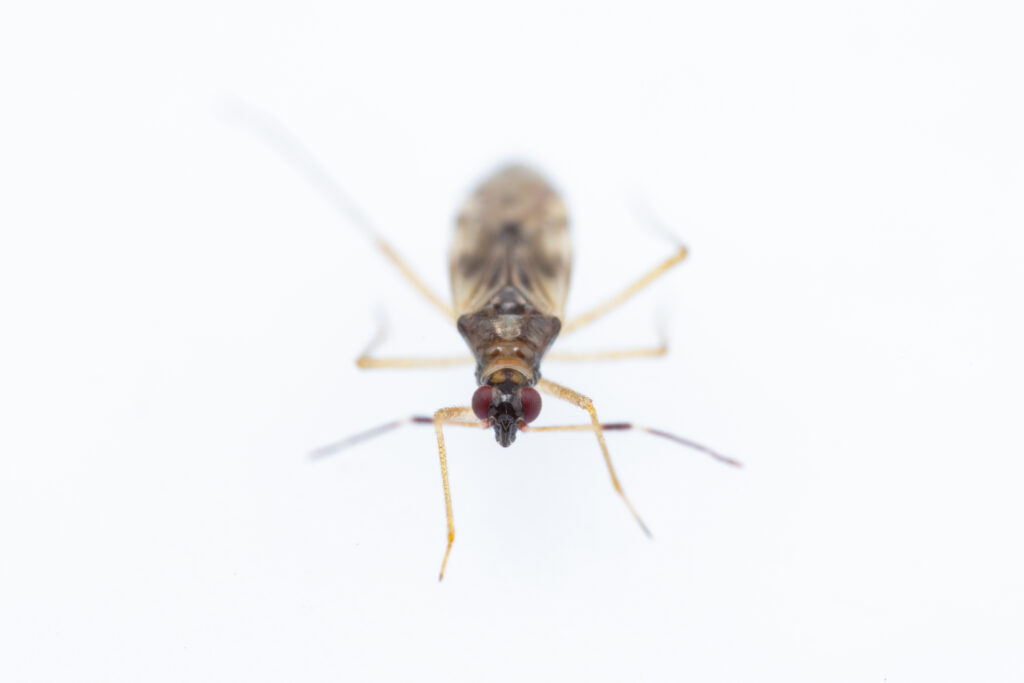
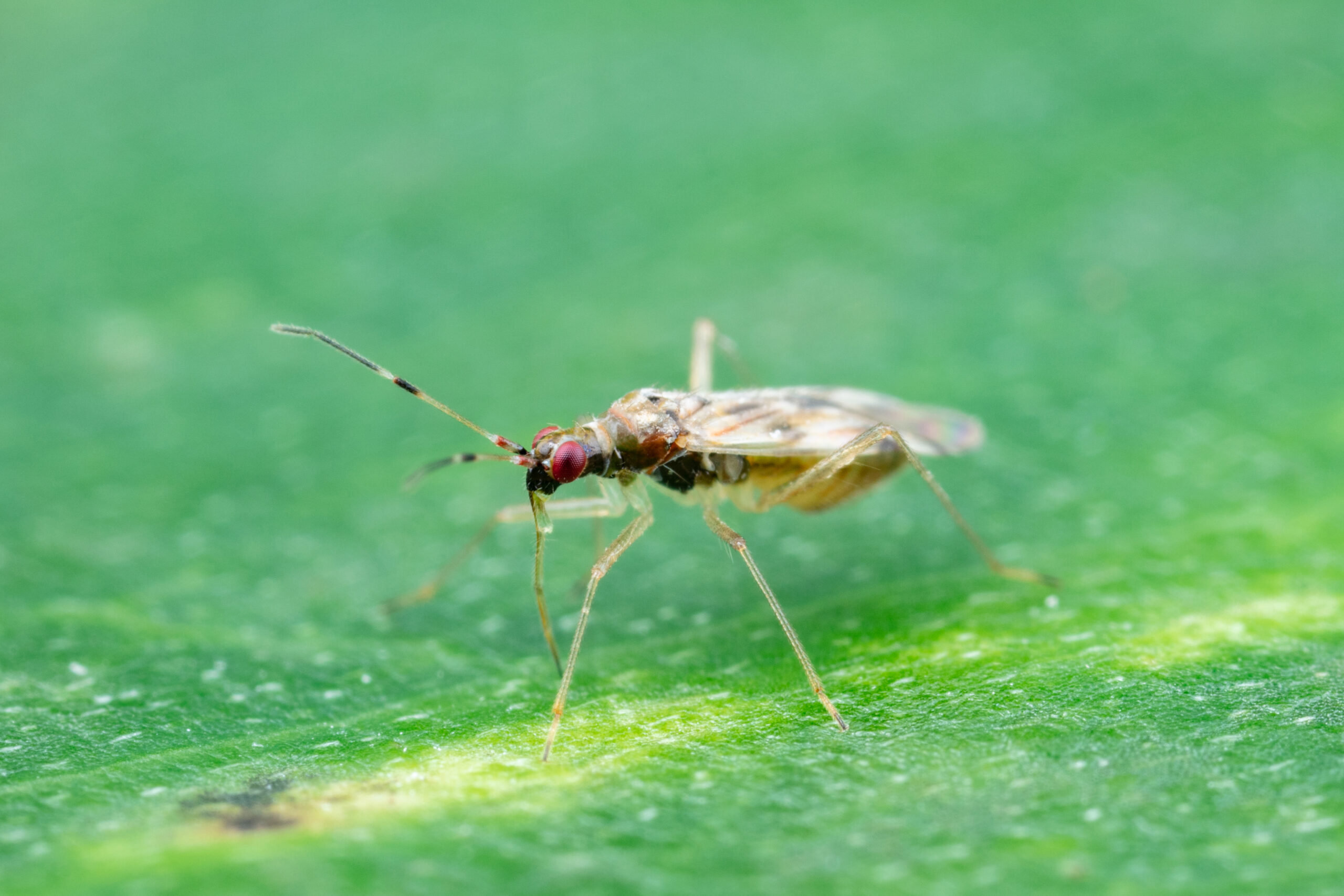
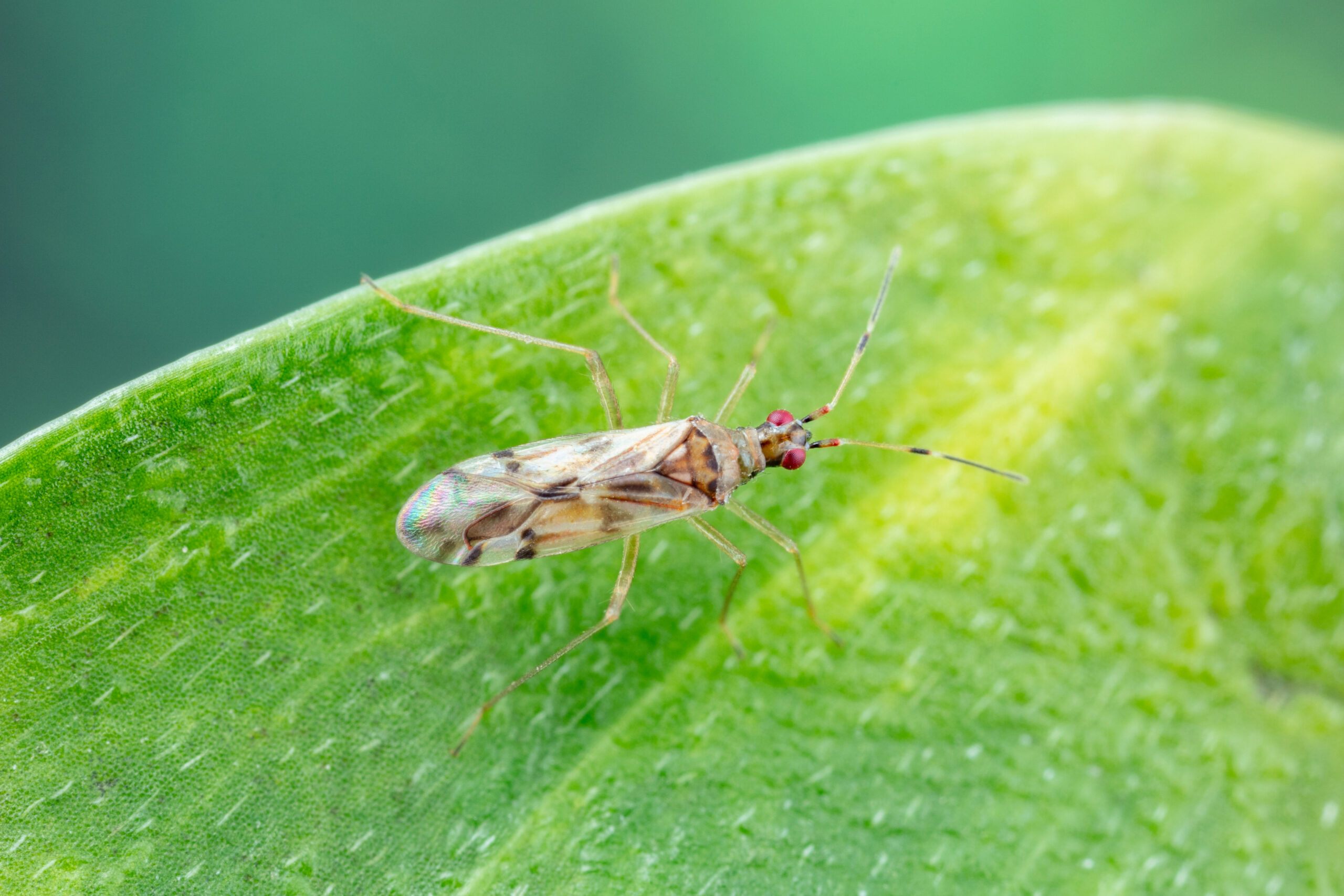
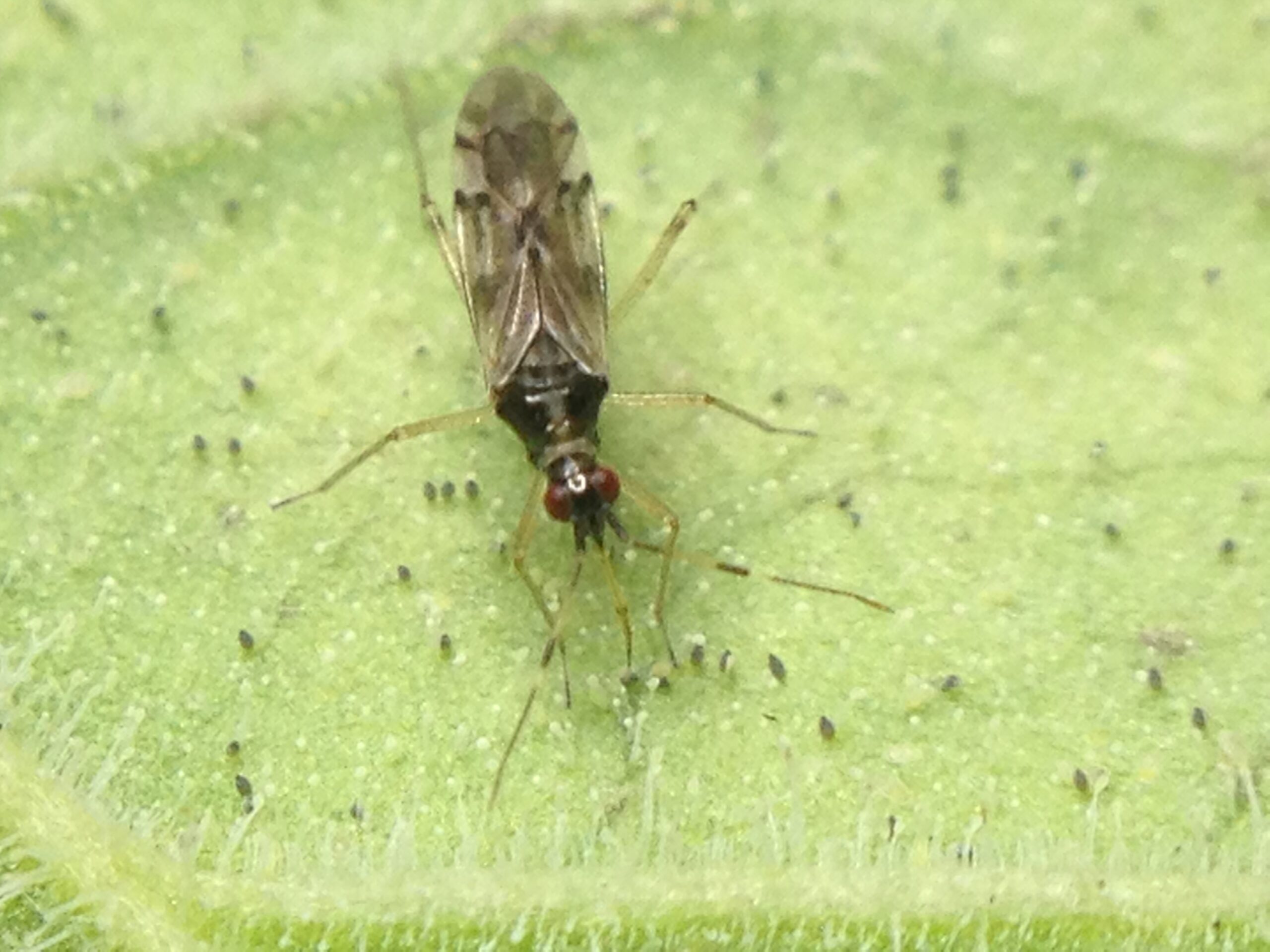
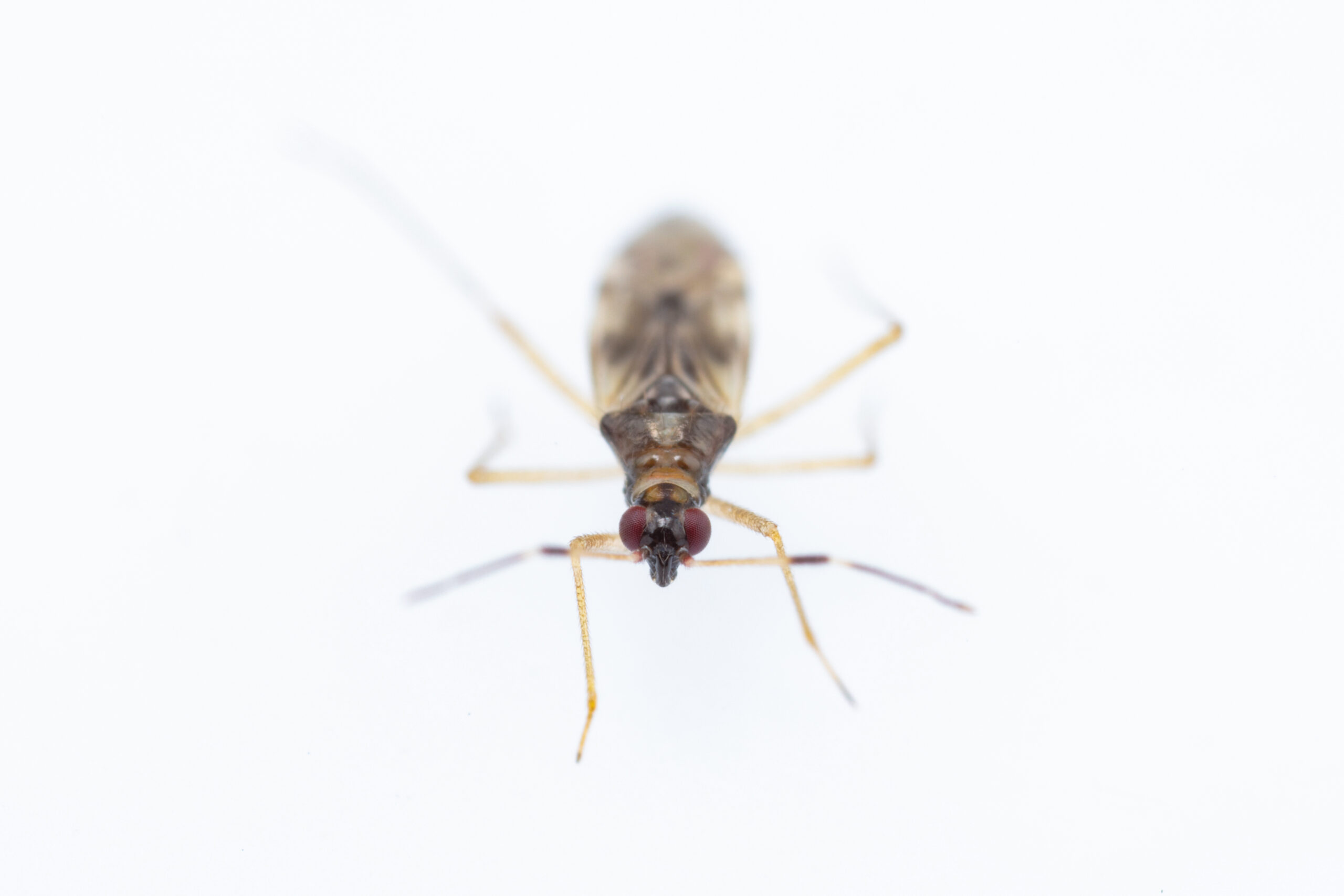
Dicyphus hesperus
please send us an email to :


Targeted crops
- Market garden crops:
- Cucumbers
- Eggplants,
- Peppers
- Tomatoes, etc.
- Ornamental plants:
- Tropicals and semi-tropicals

Targeted pests
- Aphids
- Moth eggs
- Spider mite
- Thrips
- Whiteflies

Application Instructions
Open the container. Allow Dicyphus to emerge on their own.
Establishment takes a minimum of six weeks. As this predator mainly obtains its water supply from plant feeding and can persist without sustenance for an extended time period, releases should only occur in locations where pests have been identified or extra nourishment is being provided. Mullen plants (Verbascum thapsus) are necessary for reproduction, and adding a food supplement will improve establishment.
Preventive application rates* generally range from 0.25-0.5 individuals per m², and 1 to 2 individuals per m² for light infestations or severe infestations. Repeat introductions every week until control. A early-season application may be sufficient for establishment. Repeat as needed in case of infestation.
*Introduction rates may vary depending on specific crop conditions, the type of pest present, and the level of infestation.

Storage Instructions
Use upon receipt. Mortality of less than 10% is normal.
If necessary, store in a refrigerated area 8-10 °C.
Do not freeze.

Description
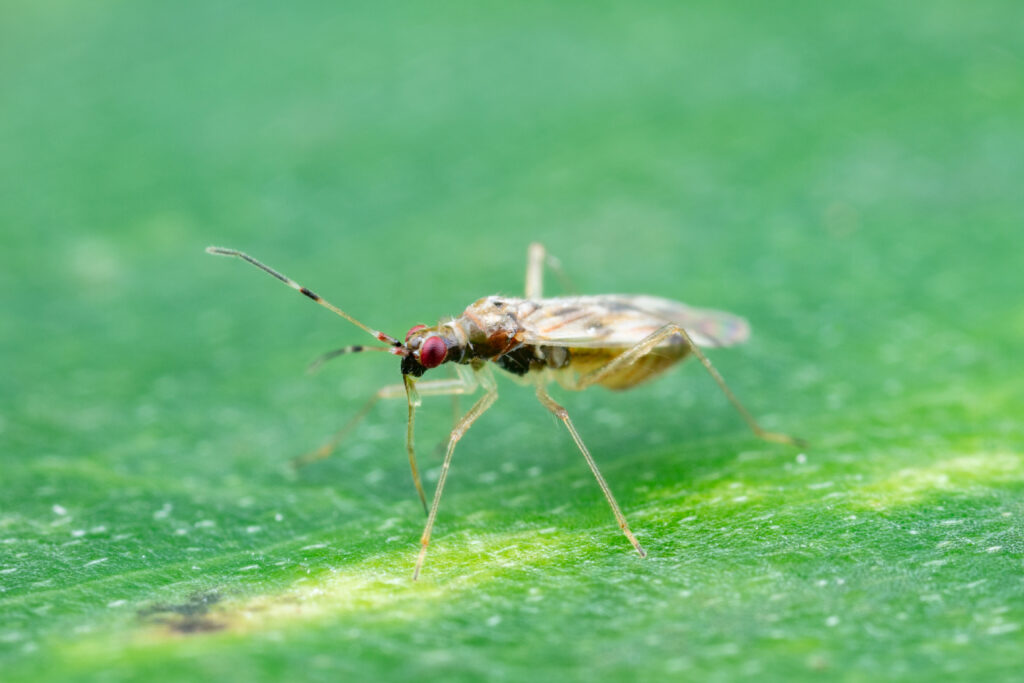
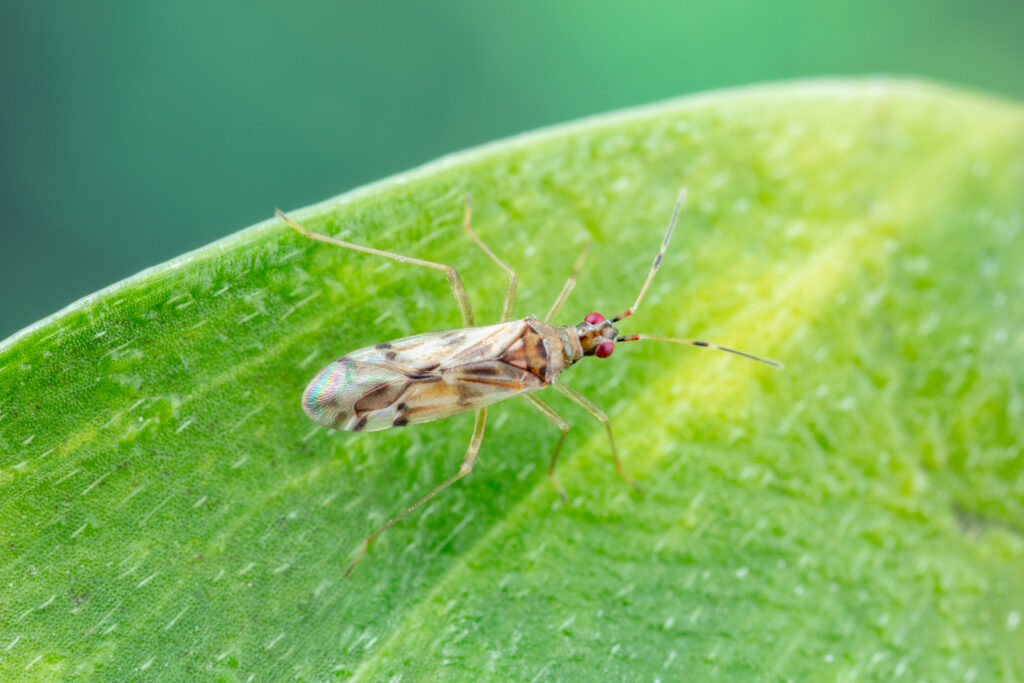
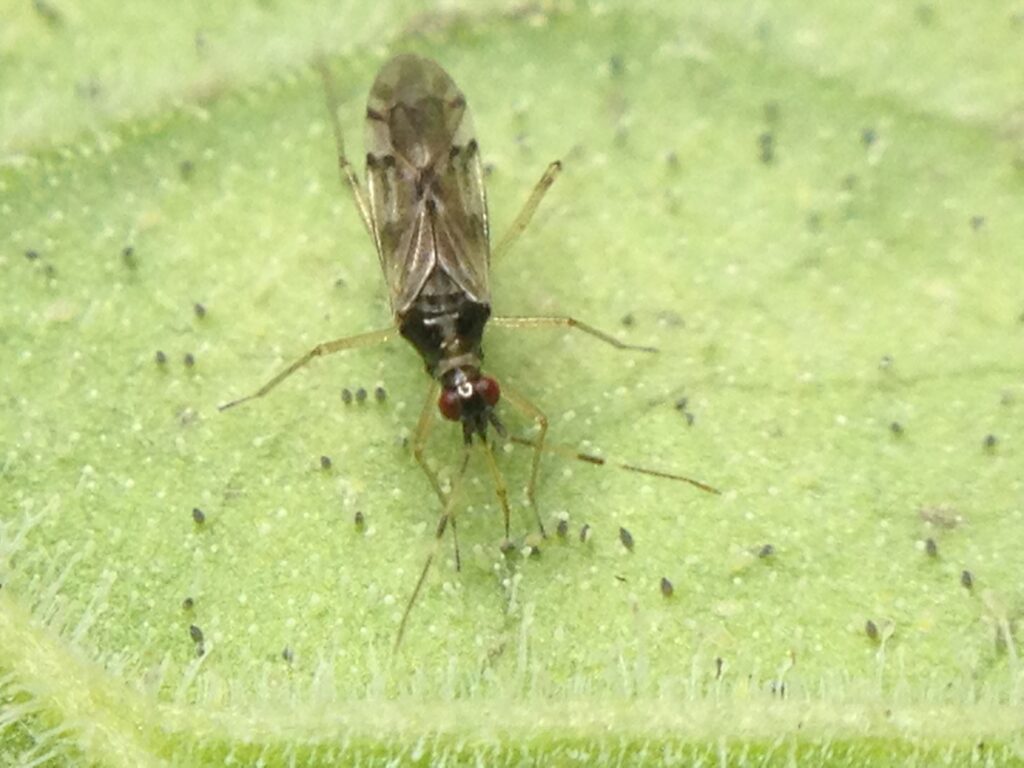
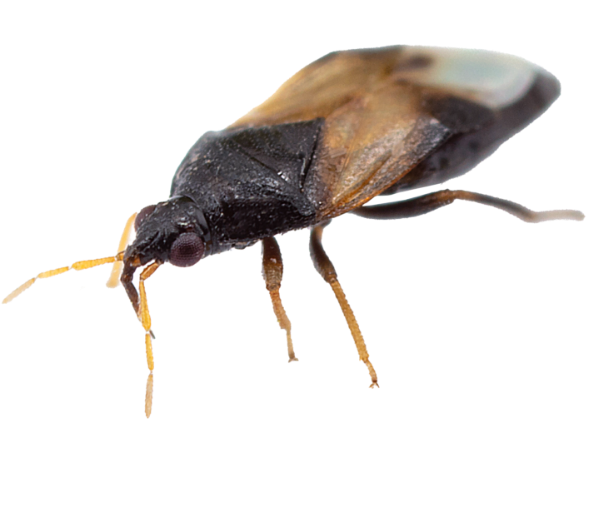
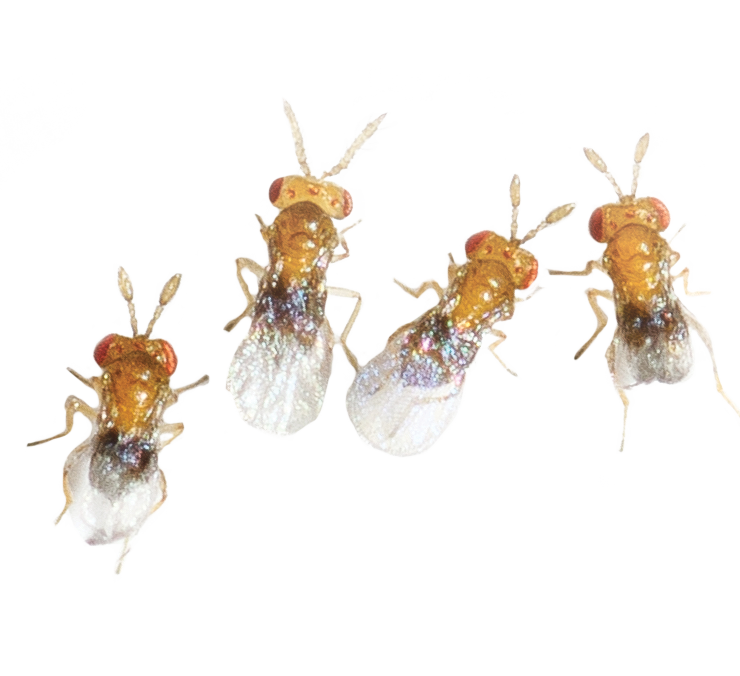
Dicyphus hesperus is a generalist predator who feeds on whiteflies, thrips, aphids, moth eggs and other pests. This predator is able to establish itself in greenhouses, keeping constant pressure on pest populations. Dicyphus is used successfully in several greenhouses in North America.
Adults and nymphs are predator and very effective to control several species of whiteflies and thrips in tropical and semi-tropical ornamental crops. Because it is also a plant feeder, Dicyphus hesperus should not be used on its own to replace other biological control agents.
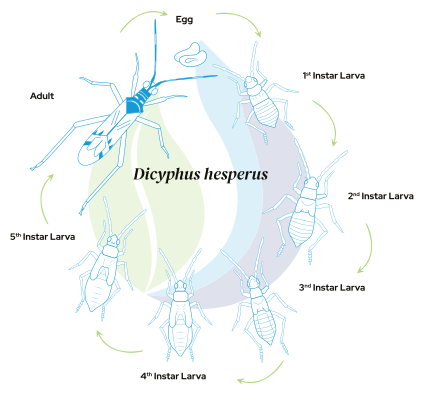
Adults are able to fly. The female lays her eggs inside plant tissue. Nymphs look like the adults, but they are smaller and their wings are not developed.