

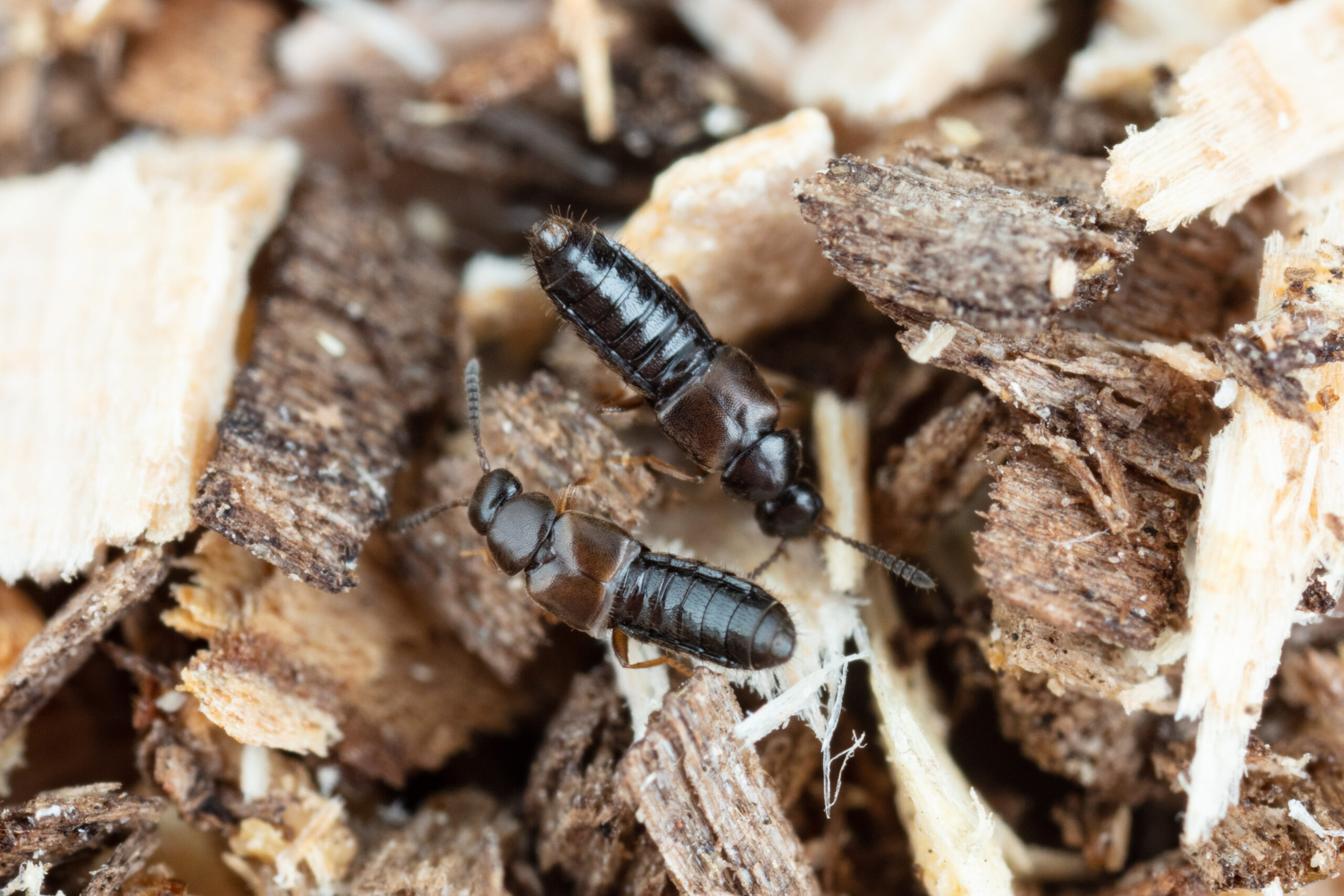
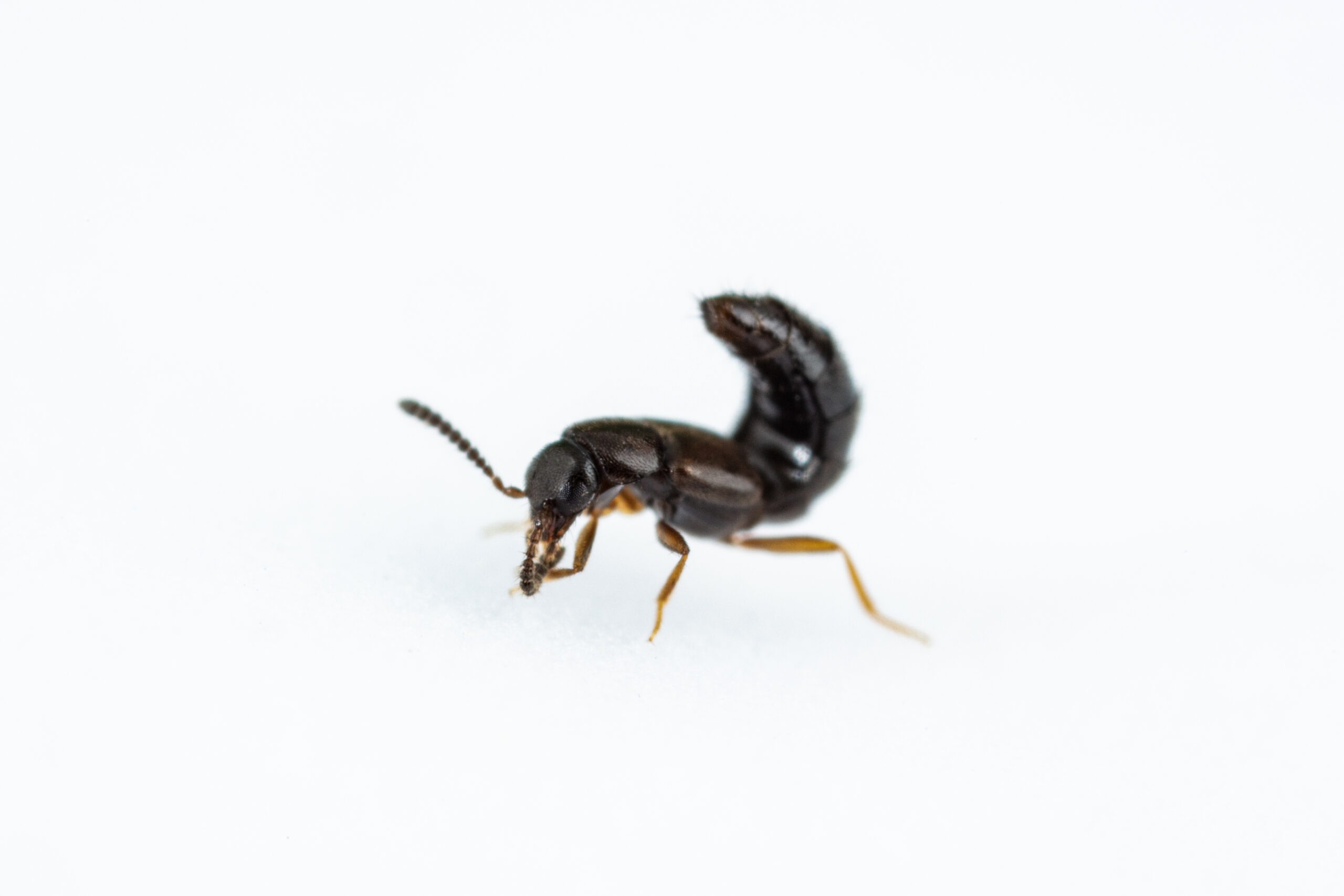
Dalotia coriaria
To order biopesticides,
please send us an email to :
please send us an email to :


Targeted crops
- Cannabis
- Cucumbers
- Lettuce
- Mushrooms
- Ornamentals
- Peppers
- Tomatoes

Targeted pests
- Fungus gnats
- Moth eggs
- Pest nematodes
- Root mealybugs
- Root Aphids
- Shore flies
- Springtails
- Thrips

Application Instructions
Dalotia coriaria should be active and mobile upon receipt.
Warning! This insect flies. Do not open container until you are in the area to be treated.
Open the container and sprinkle them evenly on the substrate. Adults are very mobile and will move throughout the treated area.
Preventive application rates* generally range from 0.5-1 individuals per m², 2 to 5 individuals per m² for light infestations, and 10 to 20 individuals per m² for severe infestations. Early season application may be sufficient for establishment. Repeat as needed in case of infestation.
*Introduction rates may vary depending on specific crop conditions, the type of pest present, and the level of infestation.

Storage Instructions
Use upon receipt.
Do not refrigerate or freeze.
Complementary products
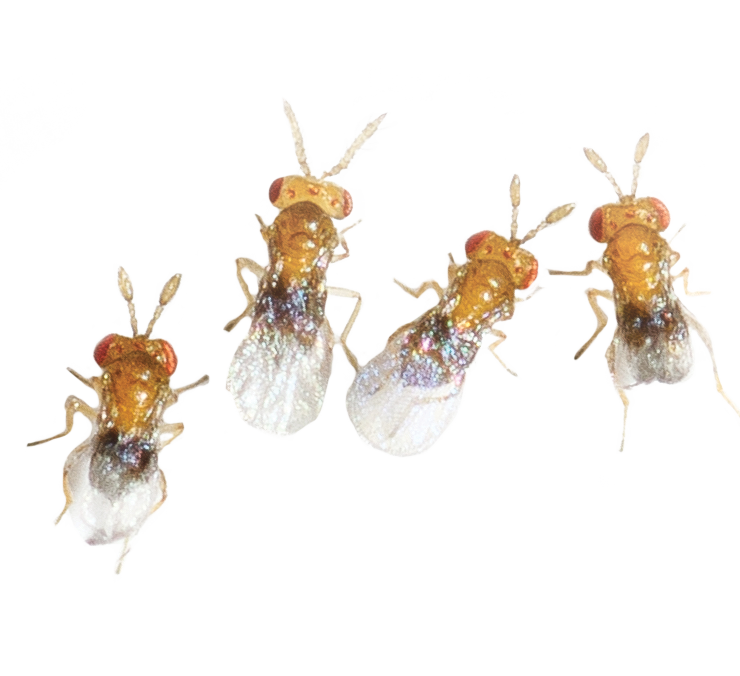
Description
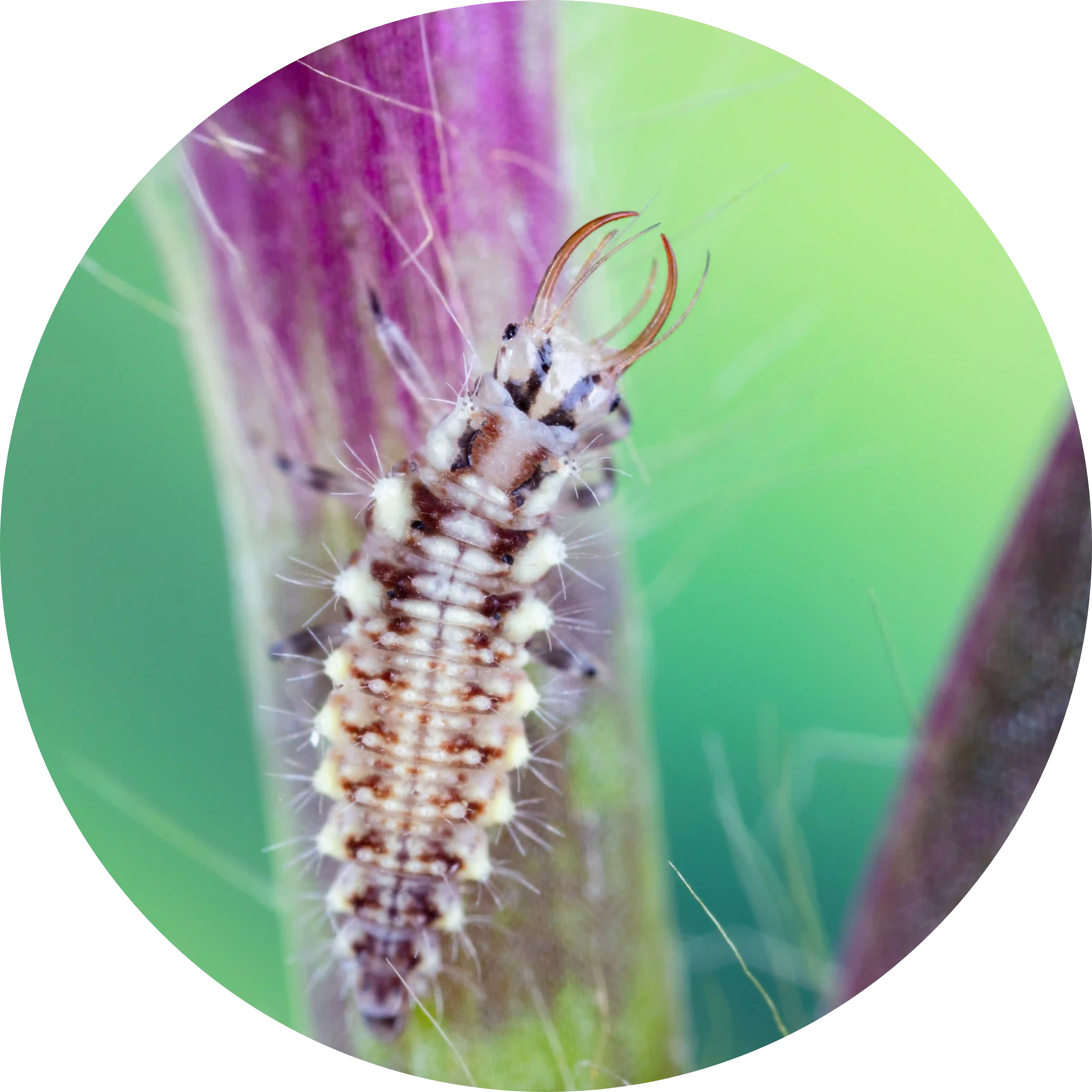
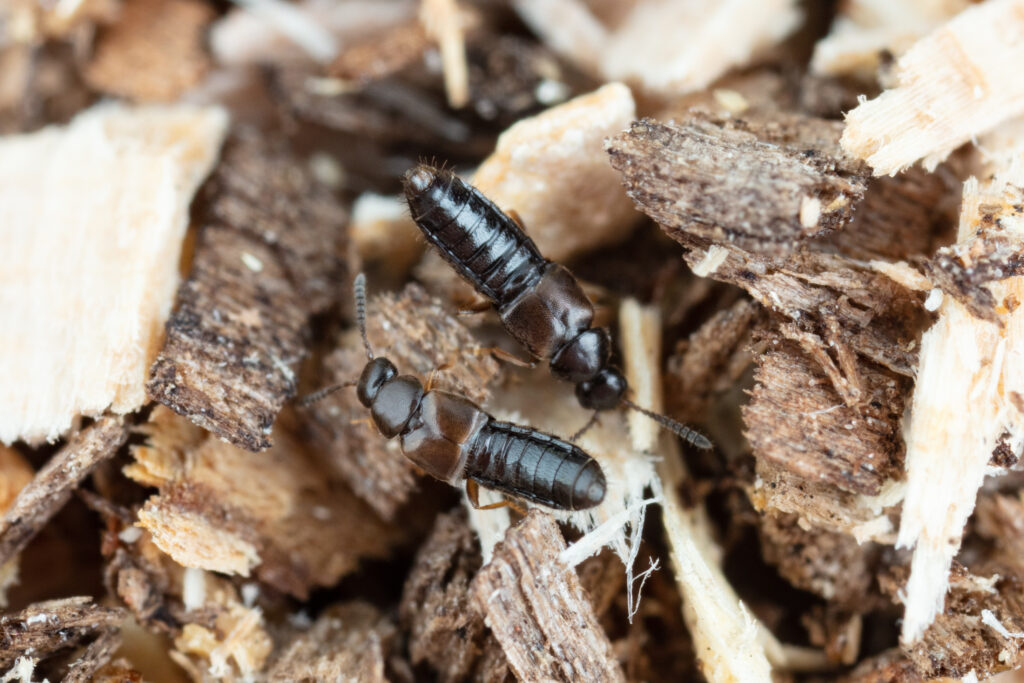
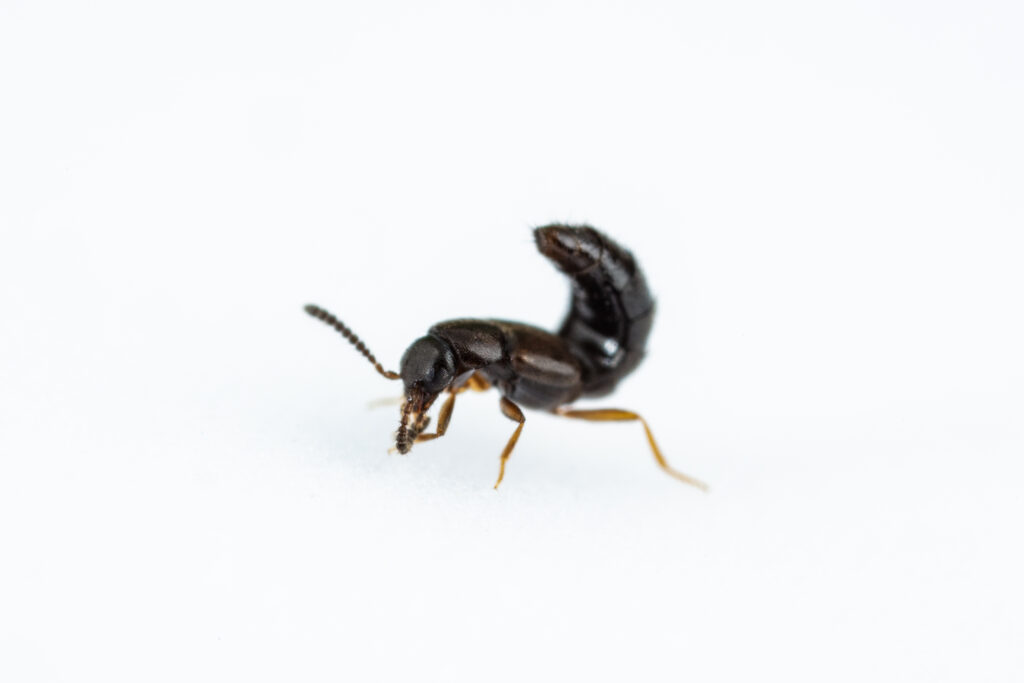
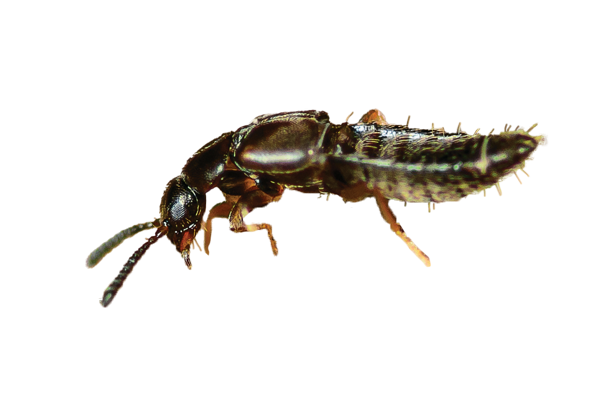
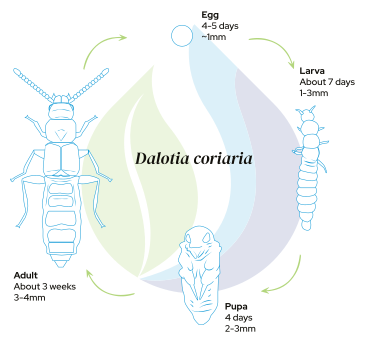
Dalotia coriaria, also called Atheta or Rove beetle, is a native soil-dwelling rove beetle with exceptional predatory capabilities. It’s able to thrive in multiple substrates, from potting soils and coconut fiber to rockwool and hydroponics – making it an excellent agent of pest control for greenhouses. Its active behavior allows it to prowl organic matter and plant leaves on the hunt for small insects, mites, shore flies, fungus gnats or root mealybug crawlers; helping keep populations maintained at healthy levels.
Atheta is a unique predator valued for its compatibility with other biological pest control agents.
Impressive agility allows both adults & larvae excellent hunting ability – showing the capacity of rapidly colonizing areas as they confidently fly away from disturbance! Eggs laid by females hatch into hungry predators 2-3 days later. This species can form powerful alliances with nematodes Steirnenema spp., Heterorhabditis spp., Stratiolaelaps scimitus, as well as certain bioinsecticides based on pathogenic fungus like Bioceres WP and Bioceres EC; making Dalotia coriaria an integral part of successful integrated pest management programs.