

Chrysoperla carnea
please send us an email to :


Targeted crops
- Cannabis
- Cucumbers
- Eggplants
- Herbs
- Ornamental
- Peppers

Targeted pests
- Aphids
- Mealybugs
- Small caterpillars
- Spidermites
- Thrips
- Whiteflies

Application Instructions
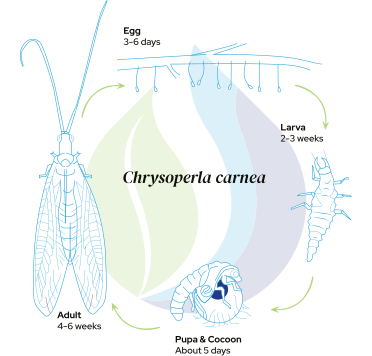
Application – Larvae
Open the container and sprinkle larvae on infested plants.
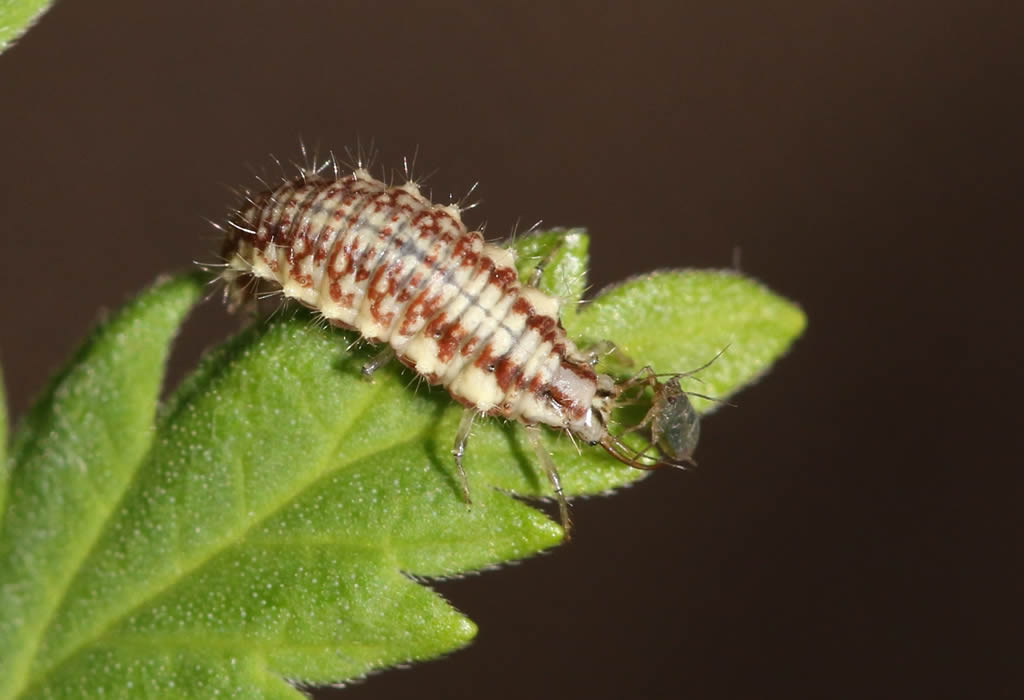
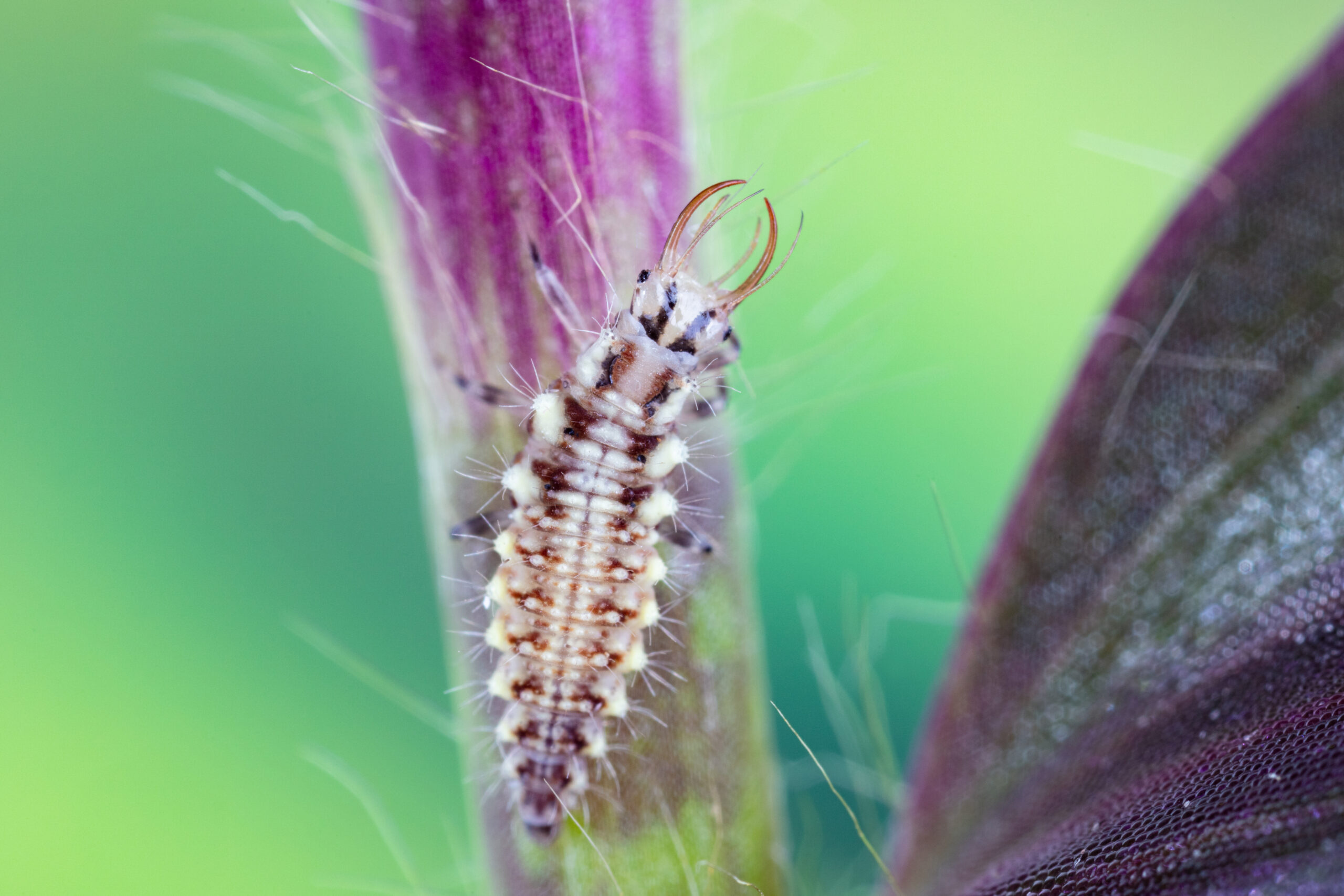
Warning! Larvae are cannibalistic, scatter them.
Preventive application rates* generally range from 5-10 individuals per m², and from 20-50 individuals per m² for light or severe infestations. Repeat introductions every two weeks, until control.
Application – Eggs
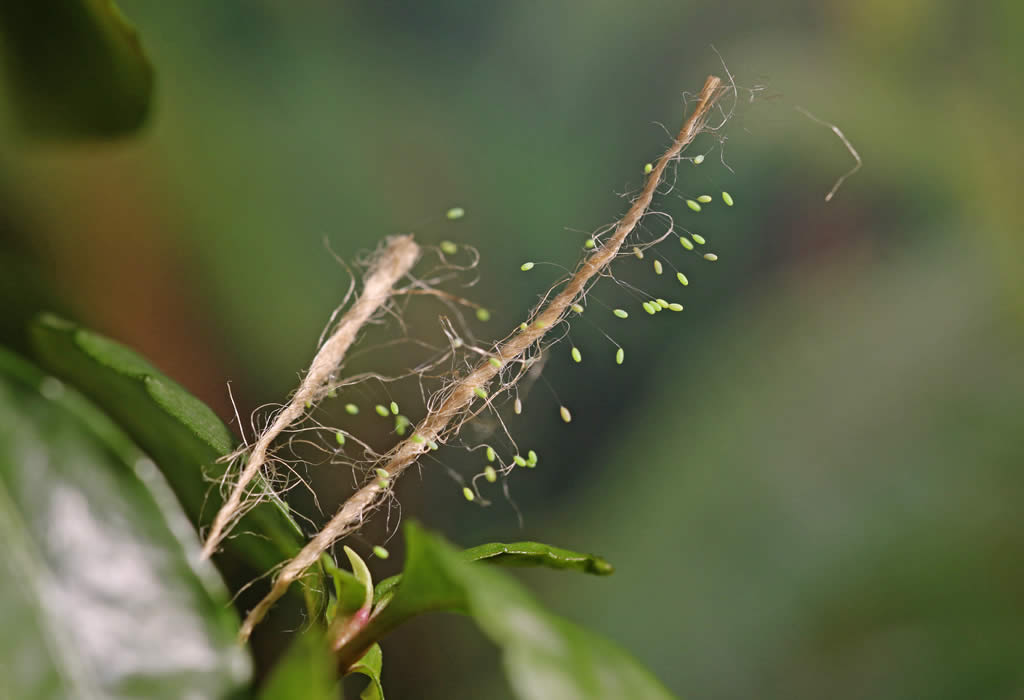
The eggs on jute string can be carefully removed from the container and yarn can be separated. Place the strings at the stem junctions and/or on the foliage, near the aphid colonies. Loose eggs can be applied by gently sprinkling across foliage and/or on top of plants.
Preventive application rates* generally range from 20-50 eggs per m², and from 50-100 individuals per m² for light or severe infestations (or more in cases of heavy infestation). Repeat introductions every two weeks, until control.
*Introduction rates may vary depending on specific crop conditions, the type of pest present, and the level of infestation.

Storage Instructions
Use upon receipt to ensure maximum efficacy. If needed, keep for a maximum of 1 to 2 days in a cool environment (8-10°C), away from light and with 50-60% relative humidity.
Do not freeze.


Description
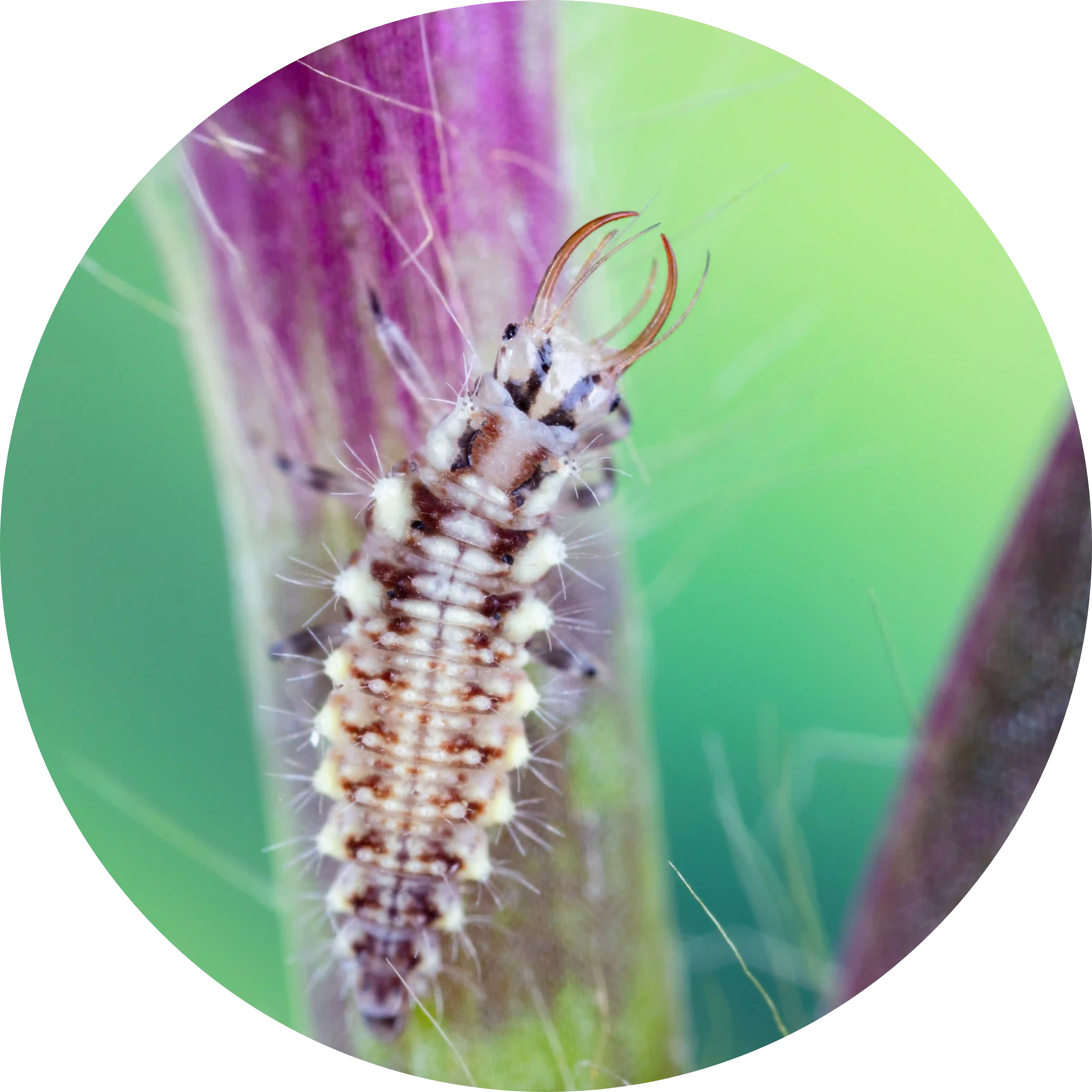
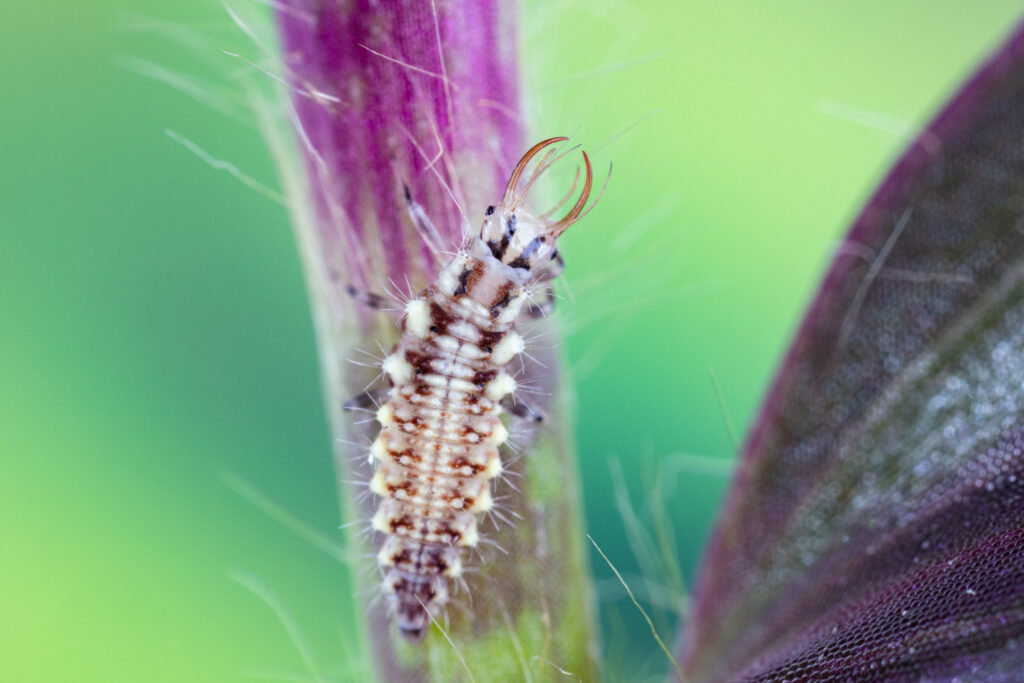
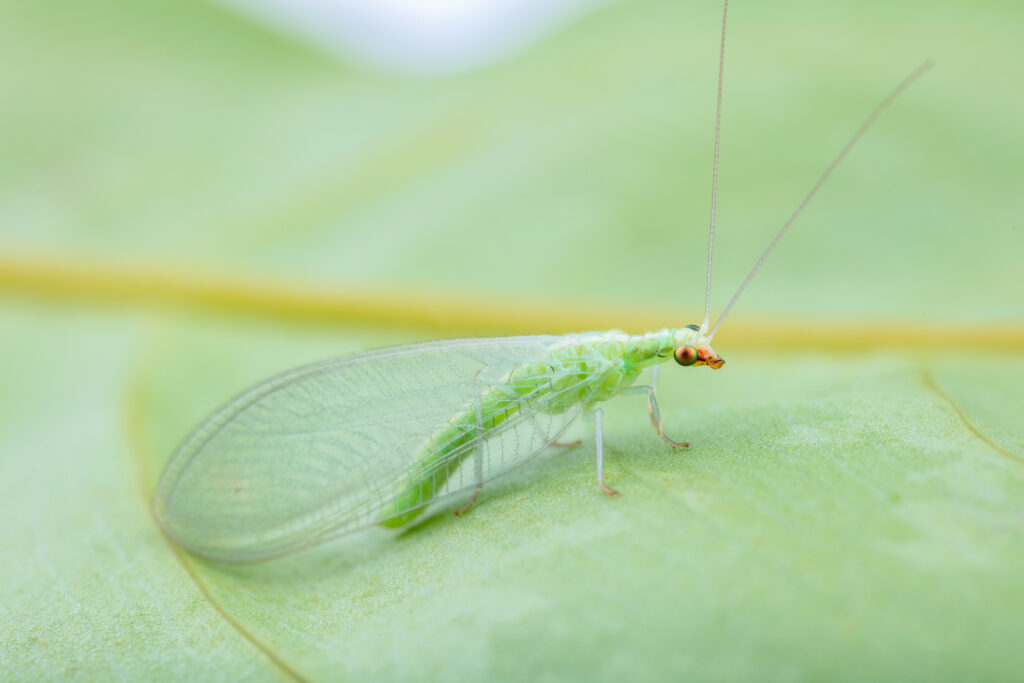
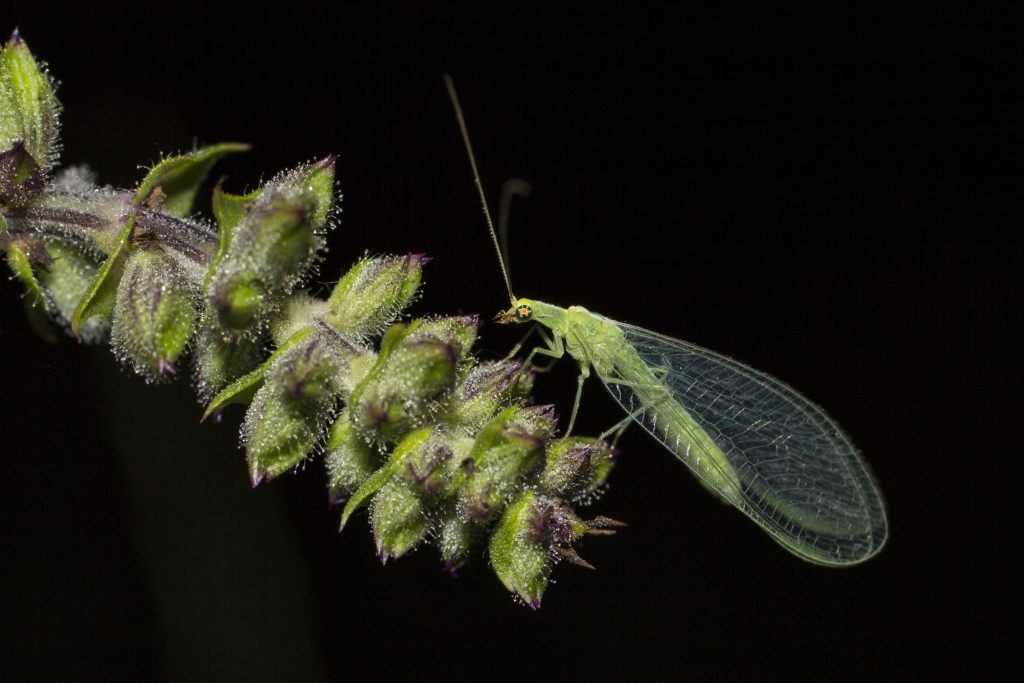
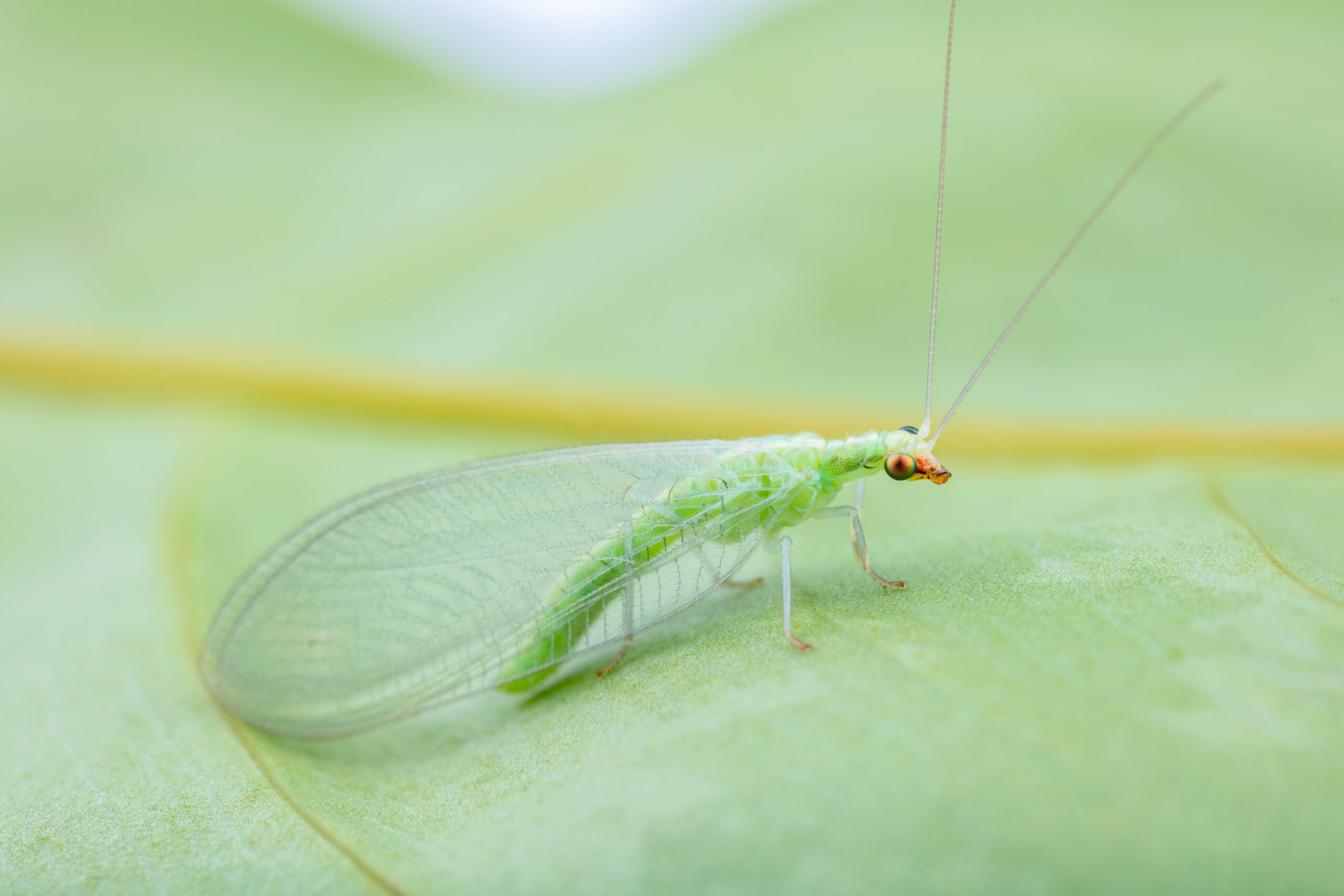
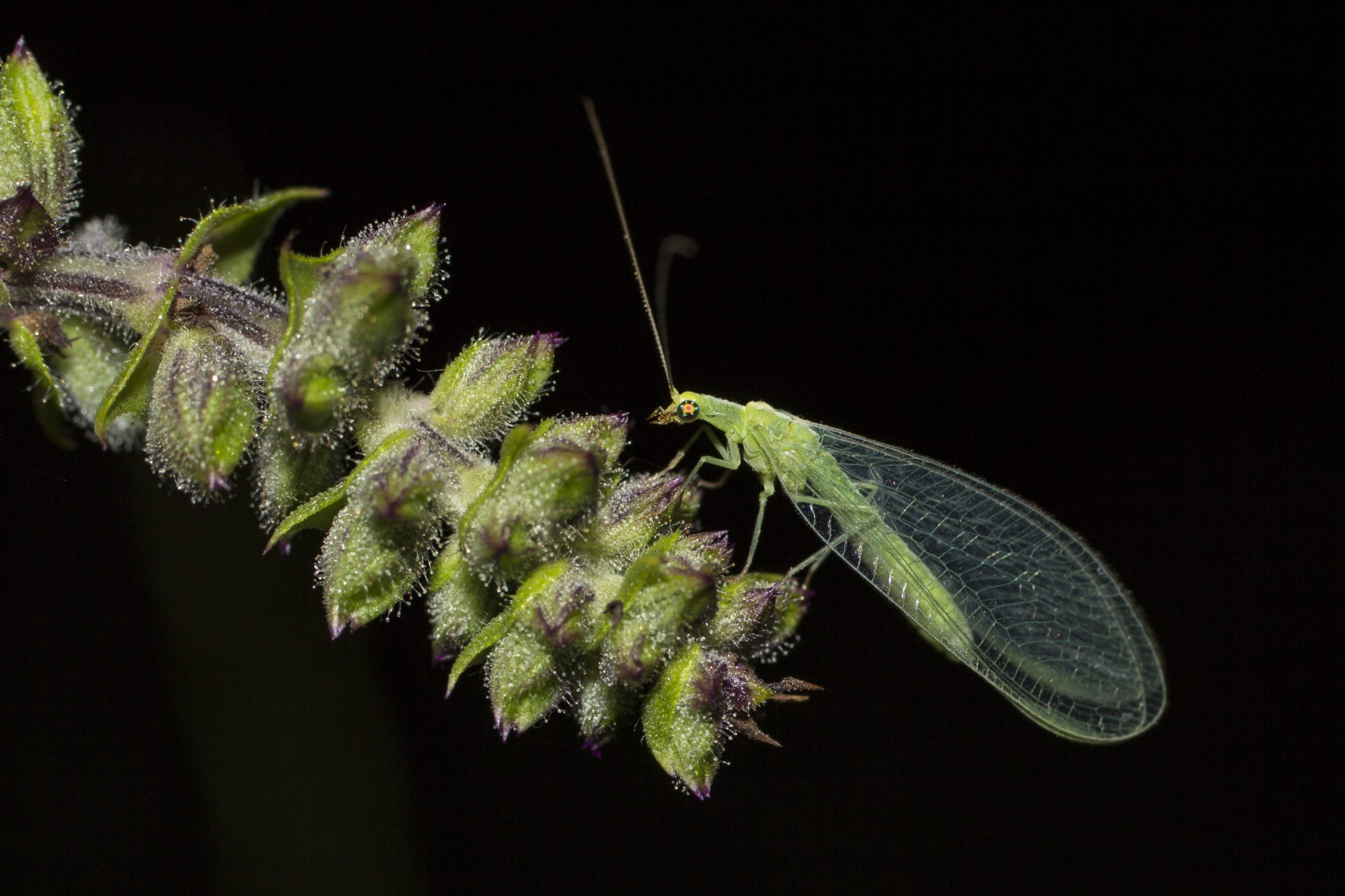
Chrysoperla carnea, more commonly known as Green lacewing and native to Canada, is part of the Neuroptera family. It has an adult size of 2 cm with pale green coloring and translucent oval wings that give it its lacy appearance.
The eggs are laid near aphid colonies on plants attached by a stem measuring 1 cm in length while its strong jaws allow larvae to feed on thrips, whiteflies, moths, beetles, small larvae, mealy bugs, psyllids and mites. Adulthood brings pollen-feeding at dusk along with nectar from flowers or honeydew produced by their prey species.
Lacewings are renowned for their pest control capabilities, especially in greenhouses and other enclosed areas.