

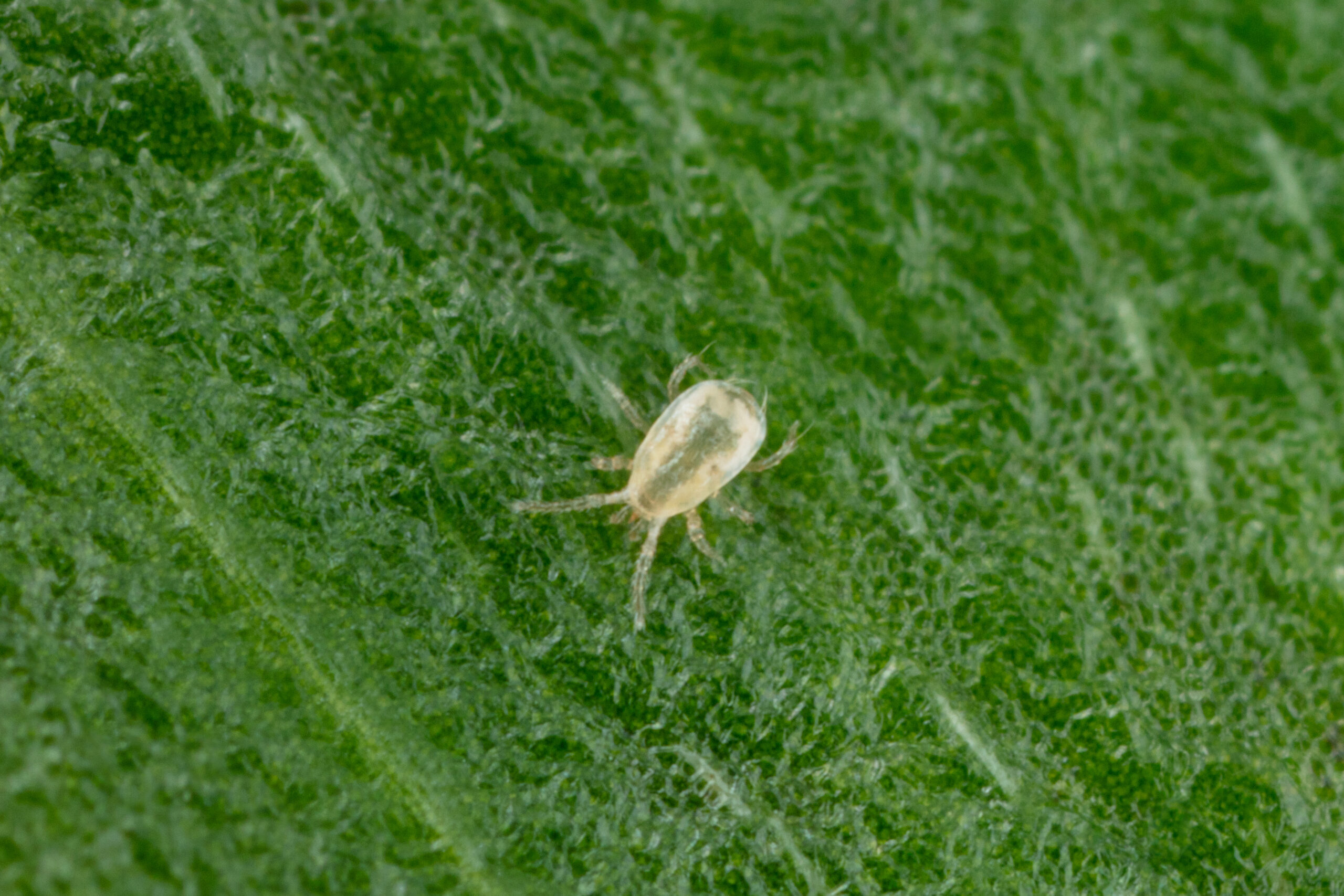
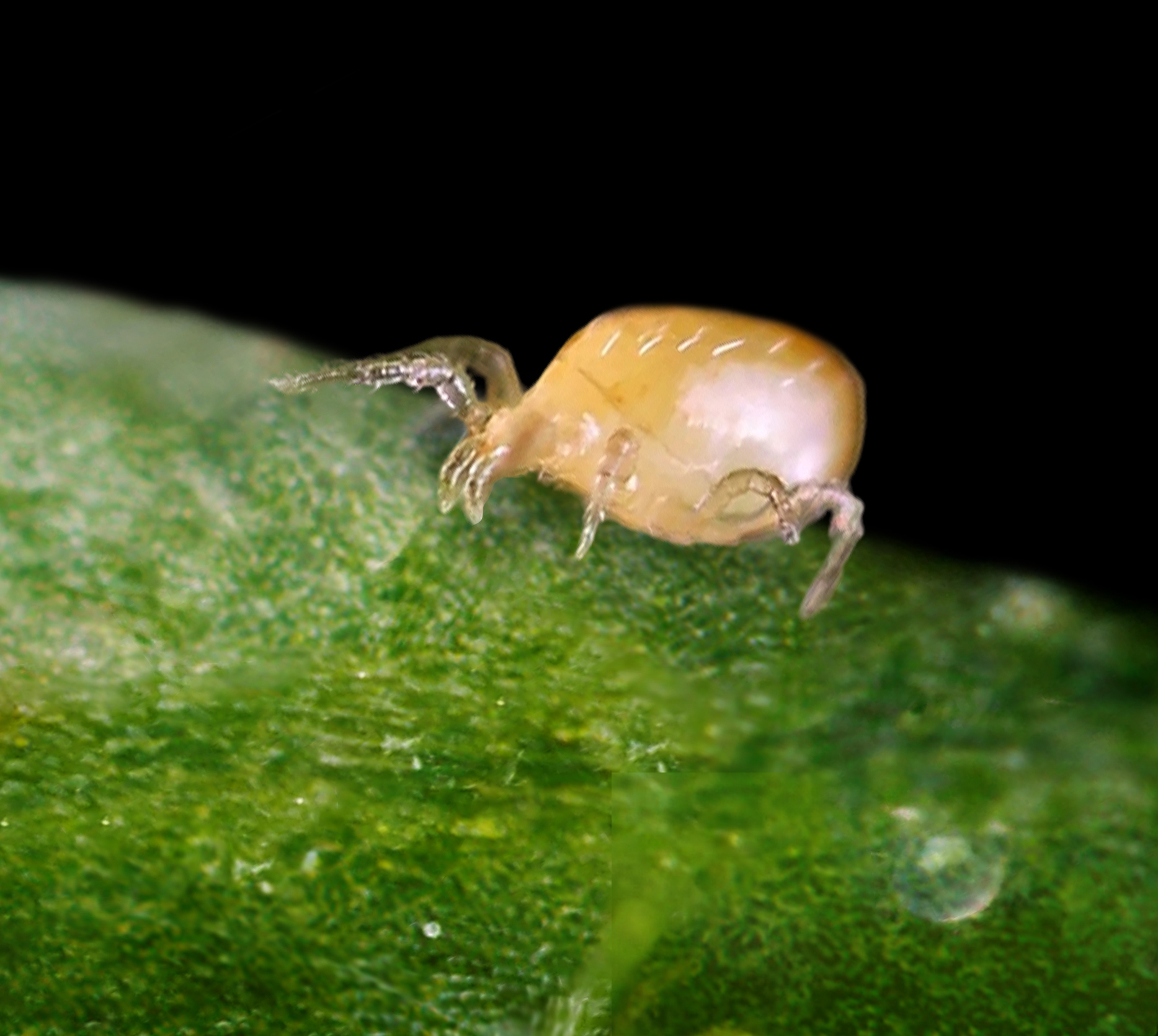
Neoseiulus californicus
please send us an email to :


Targeted crops
- Cannabis
- Fruits
- Ornamentals
- Cucumbers
- Tomatoes

Targeted pests
- Two-spotted spider mites
- Broad mites
- Thrips

Application Instructions
Neoseiulus californicus can be introduced in two ways: in bulk or sachets.
Bulk
Before introduction, very gently rotate the tube to homogenize the content inside and spread the mites all over the tube. Sprinkle on infested and surrounding plants. The mites are mobile and can be seen with a 10-15 X magnifying glass.
Preventive application rates* generally range from 5-10 individuals per m², 20-50 individuals per m² for light infestations, and 50-100 individuals per m² for severe infestations. Repeat introductions every week until control.
Sachets
Put the sachet in the foliage in the interior of the plant. Do not expose to direct sunlight or overhead watering.
Preventive and curative application rates* generally are 1 sachet per plant for large crops (e.g., tomato, cucumber, cannabis). If plants are small and close together with canopies touching, apply 1 sachet every 3–5 m², depending on plant size, crop type and level of infestation. Change sachets every 4-6 weeks or until control.
*Introduction rates may vary depending on specific crop conditions, the type of pest present, and the level of infestation.

Storage Instructions
Use upon receipt.
Do not refrigerate or freeze.
Description
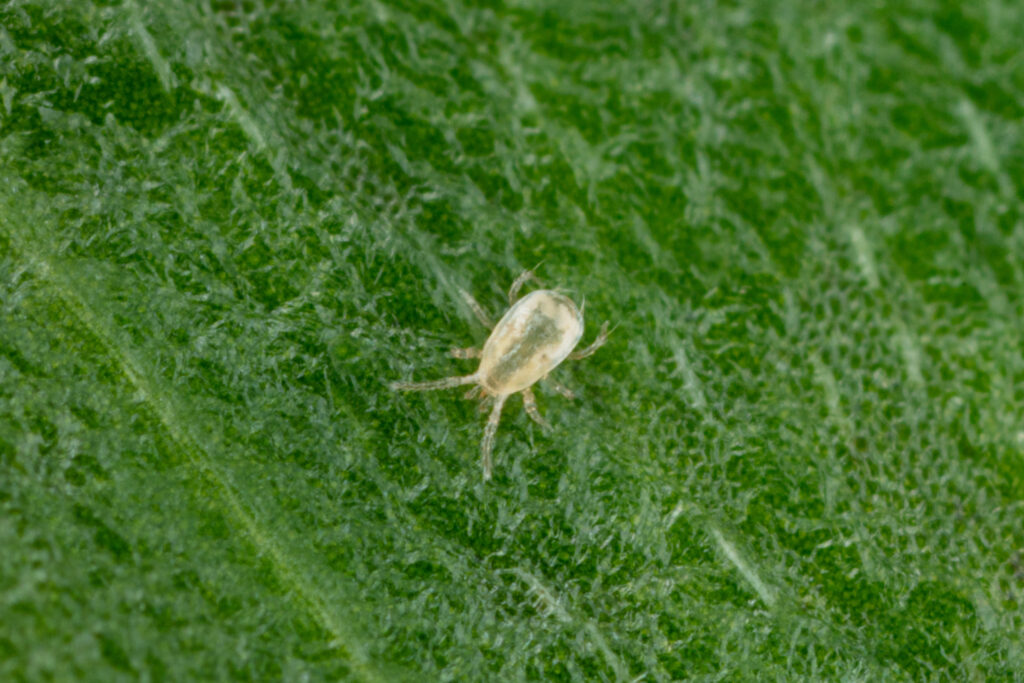
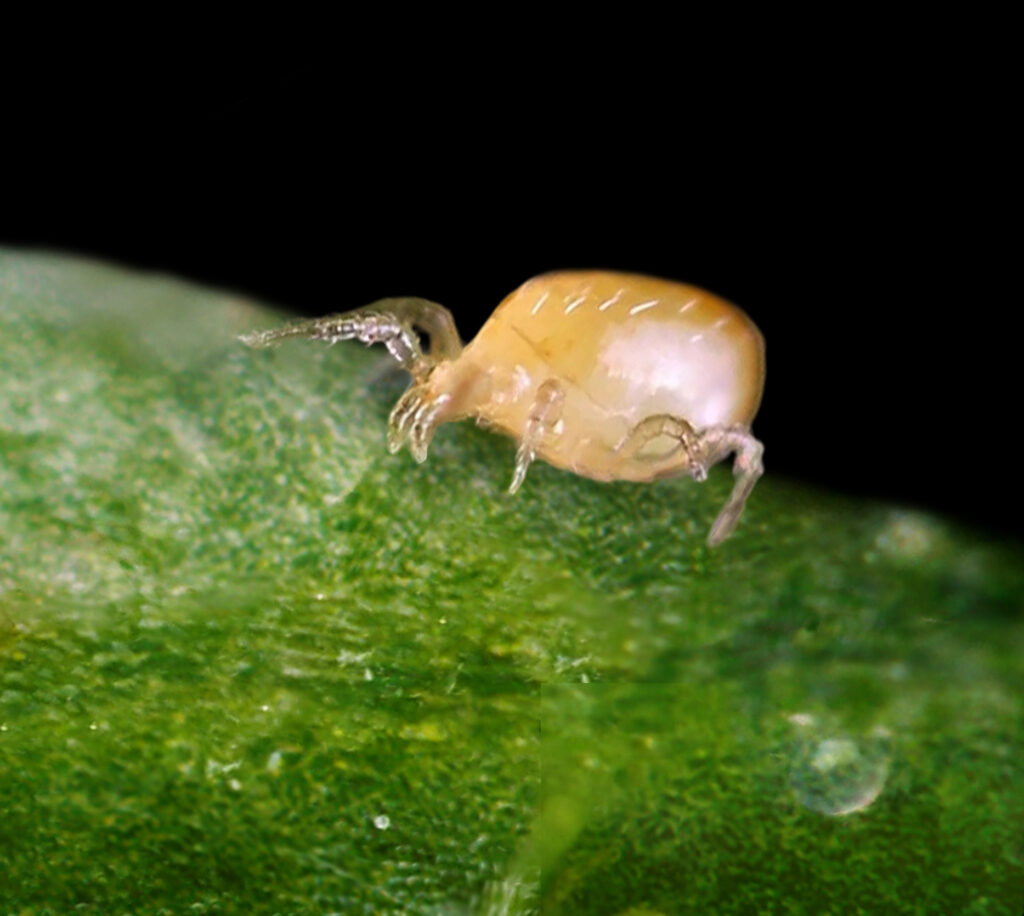
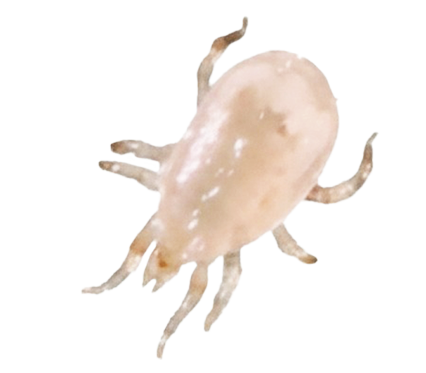
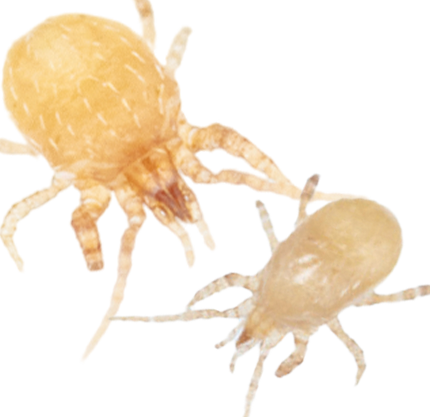
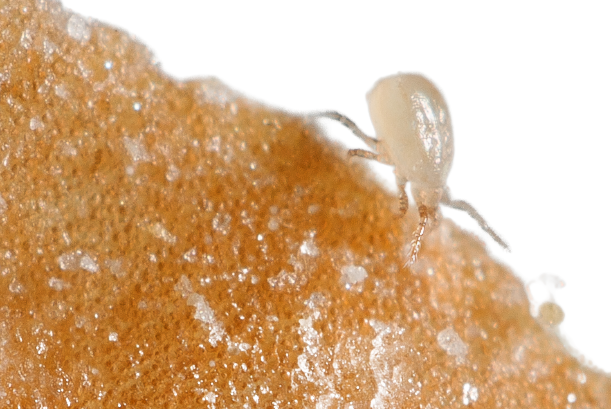
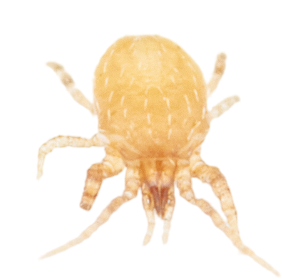
Neoseiulus californicus is an effective predator for controlling populations of spider mite and broad mites in crops like cannabis, ornamental plants, fruits, as well as vegetables.
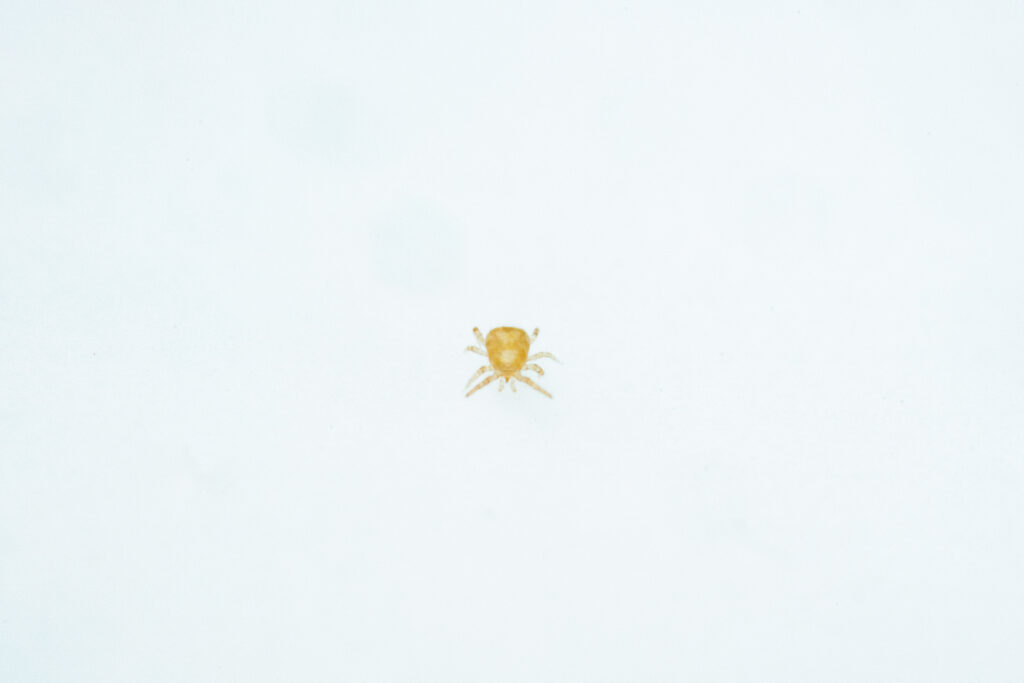
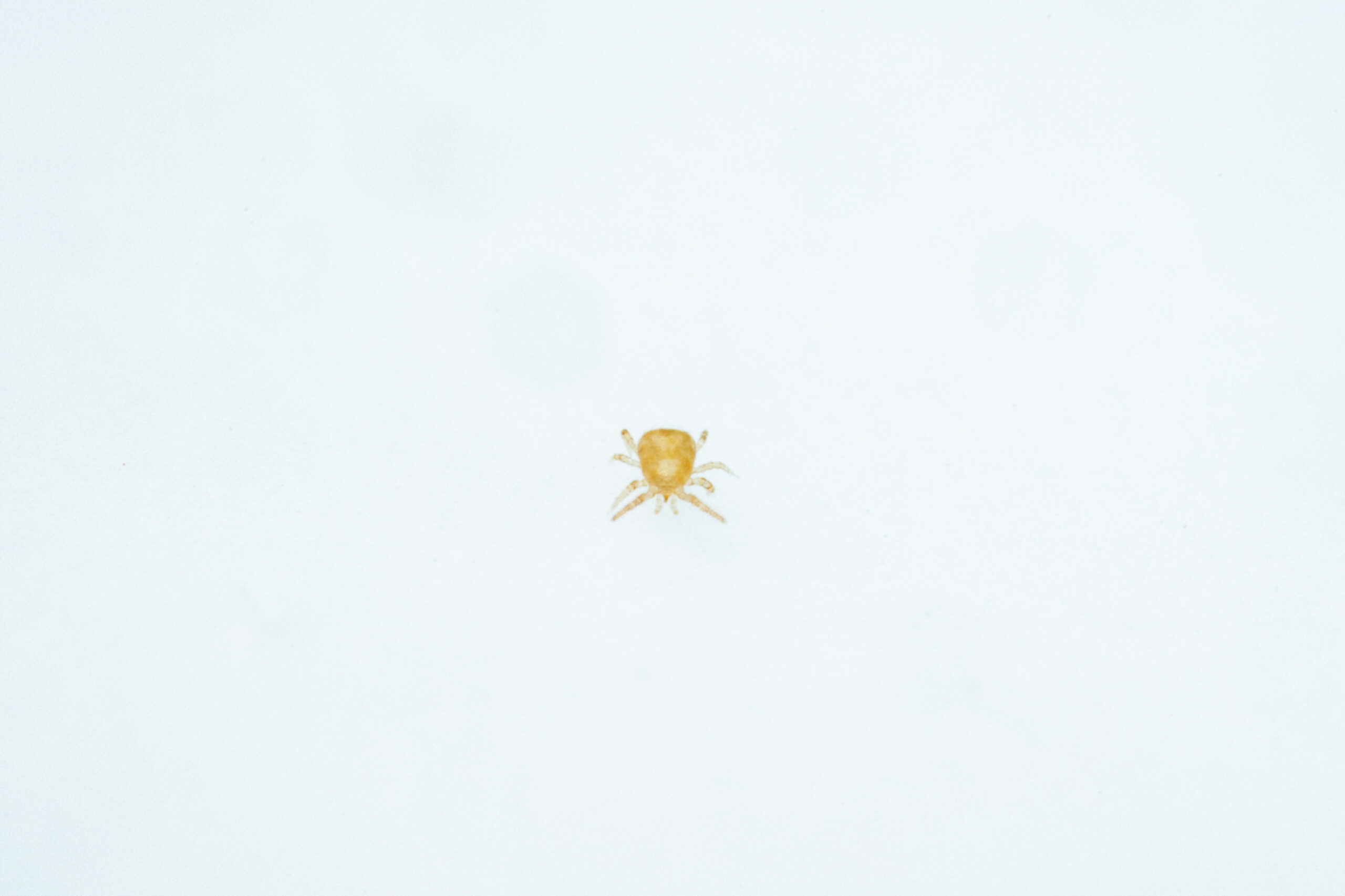
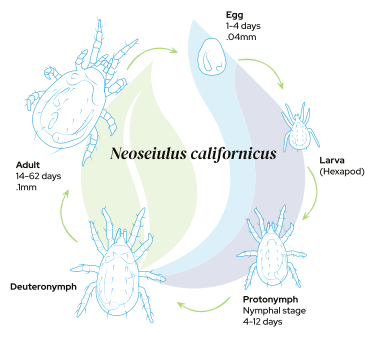
This predatory pear-shaped mite can grow up to 0.5mm long and its eggs measure only a minuscule 0.05 millimeters across! Its reproduction however will be slowed down if it consumes nutritive sources other than two spotted spider Mites – such as pollen or thrips larvae etc., Californicus lay their eggs on leaf hairs 3 to 5 days prior hatching into semi transparent cream colored juveniles resembling adults in all aspects even size.