

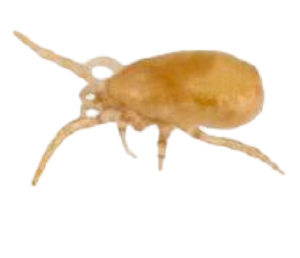
Amblyseius swirskii
Amblyseius swirskii is a predatory mite used to control pests such as thrips, whiteflies, and spider mites. It is often used in organic agriculture because…
Buy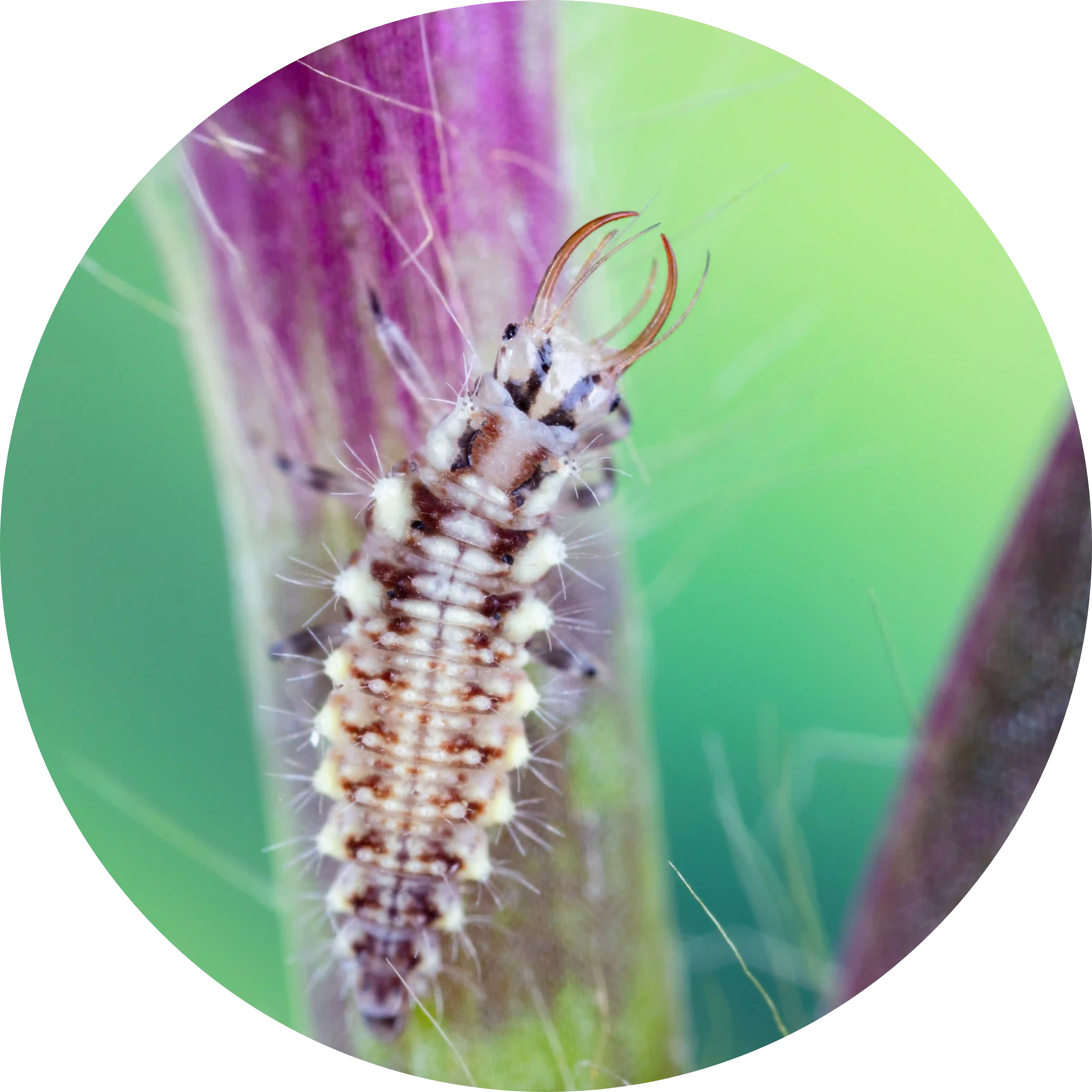
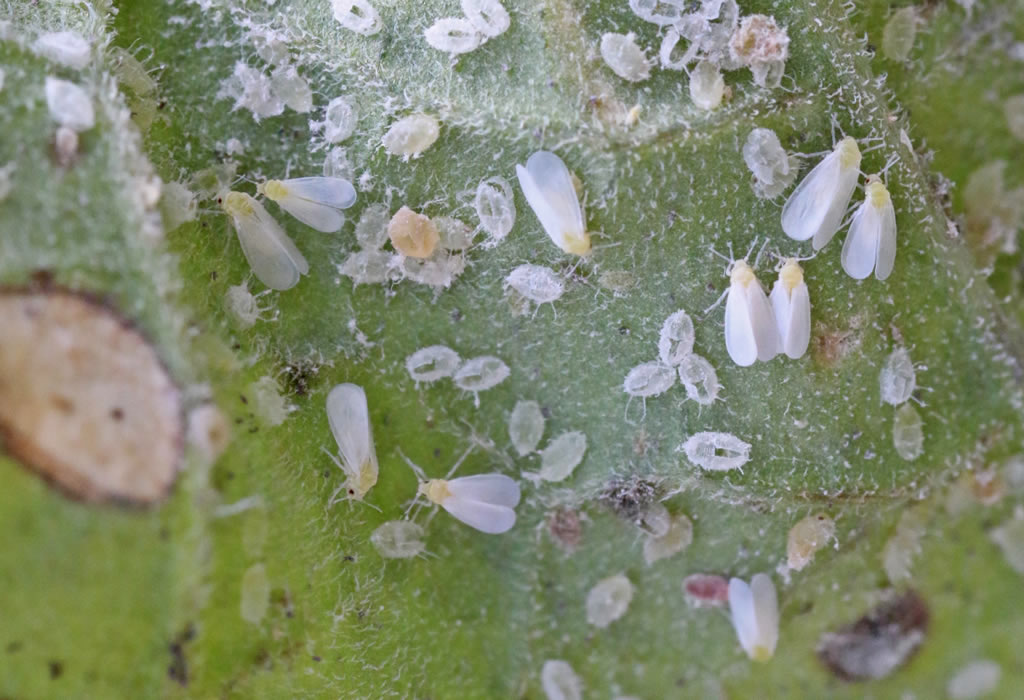

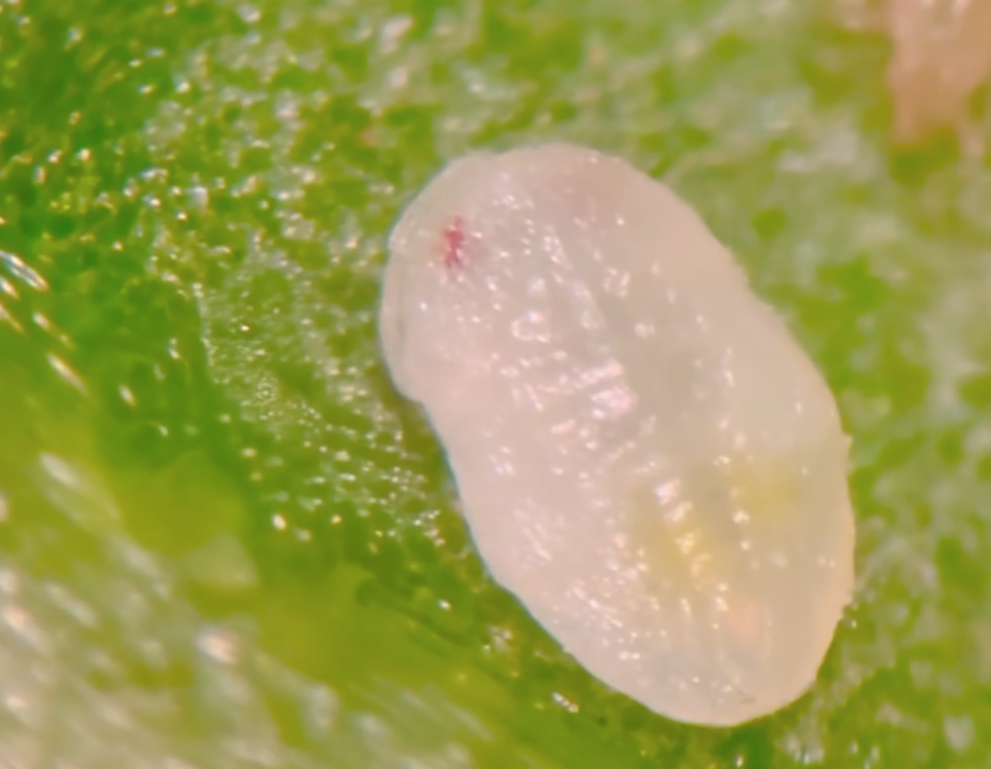
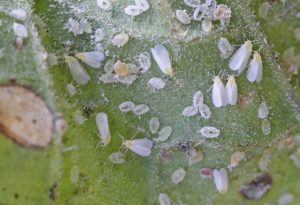
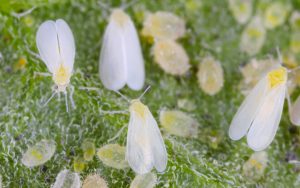

Whiteflies are small, winged insects that feed primarily on the undersides of leaves. They are common in greenhouses, gardens, and field crops, especially in warm and humid conditions. Whiteflies reproduce rapidly, with multiple overlapping generations per year, which allows populations to build up quickly. Both nymphs and adults feed by piercing plant tissues and sucking out the sap, weakening plants and affecting overall growth.
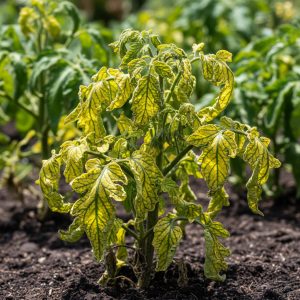
Whiteflies infest a wide variety of plants, including vegetables (tomatoes, cucurbits), fruit trees (citrus, apples), ornamentals, and greenhouse crops, making them a major pest in many horticultural systems. Their feeding not only removes vital nutrients from the plant but also produces honeydew, a sticky substance that can lead to secondary problems.


Check leaf undersides for clusters of white adults or nymphs. Sticky traps help detect early infestations.
Amblyseius swirskii is a predatory mite used to control pests such as thrips, whiteflies, and spider mites. It is often used in organic agriculture because…
Buy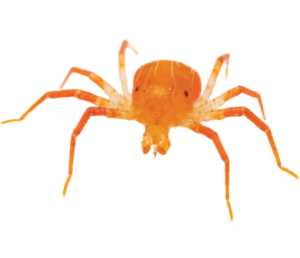
Anystis baccarum is a remarkable and voracious predatory mite capable of capturing its preys with ease. It feeds on a vast range of pest species,…
Buy
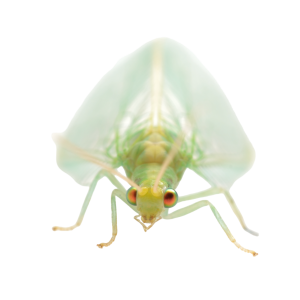
Chrysoperla carnea is an essential predator in agricultural crops and gardens, providing natural pest control by consuming large numbers of aphids, thrips and whiteflies. With…
Buy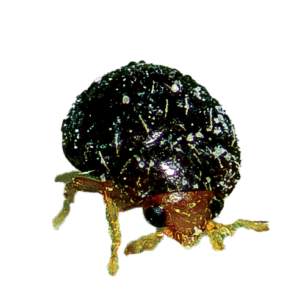
Beneficial insect Delphastus catalinae is an excellent agent against whiteflies. This biological control product can be used for reducing infestations in ornamental greenhouse crops, vegetables…
Buy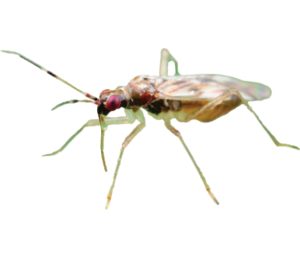
Dicyphus hesperus is a beneficial insect ally for many farmers and greenhouses, successfully aiding in the control of whitefly and thrips infestations. This natural product…
Buy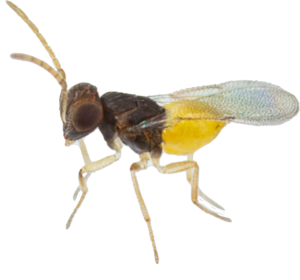
For over 100 years, Encarsia formosa has provided a natural solution to pest problems in greenhouses. This parasitic wasp works actively and effectively against greenhouse…
Buy
For over 100 years, Encarsia formosa has provided a natural solution to pest problems in greenhouses. This parasitic wasp works actively and effectively against greenhouse…
Buy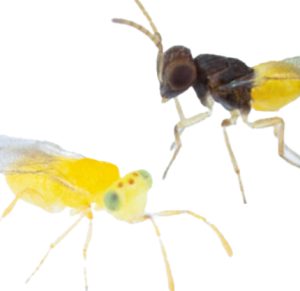
For over 100 years, Encarsia formosa has provided a natural solution to pest problems in greenhouses. This parasitic wasp works actively and effectively against greenhouse…
Buy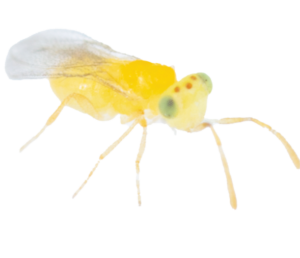
Due to its resistance to pesticides and to higher temperatures, Eretmocerus eremicus is incredibly effective against the greenhouse whitefly Trialeurodes vaporariorum or the tobacco whitefly…
Buy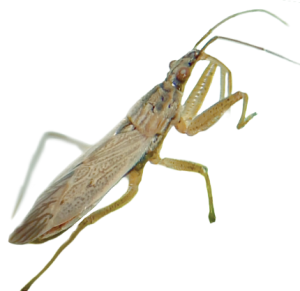
Nabis americoferus, also known as the Damsel bug, possess well-developed piercing-sucking mouthparts and spiny, raptorial front legs, which they use for capturing prey. Both nymphs…
Buy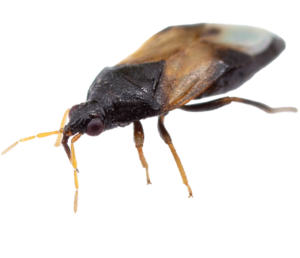
Orius insidiosus is a small predatory bug that measures 2-2.5mm long. It is black in colour with white wing patches and oval shaped. The adults…
Buy
Keep your greenhouses protected from unwelcome pest intruders with yellow sticky traps. An easy, non-toxic solution to manage infestations quickly and effectively!
Buy