


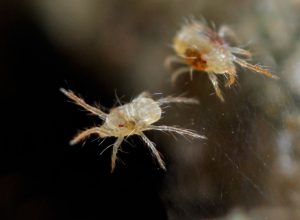


Spider Mites
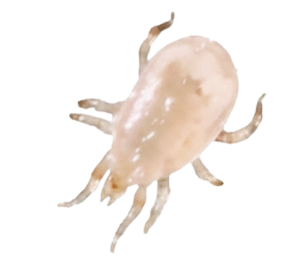
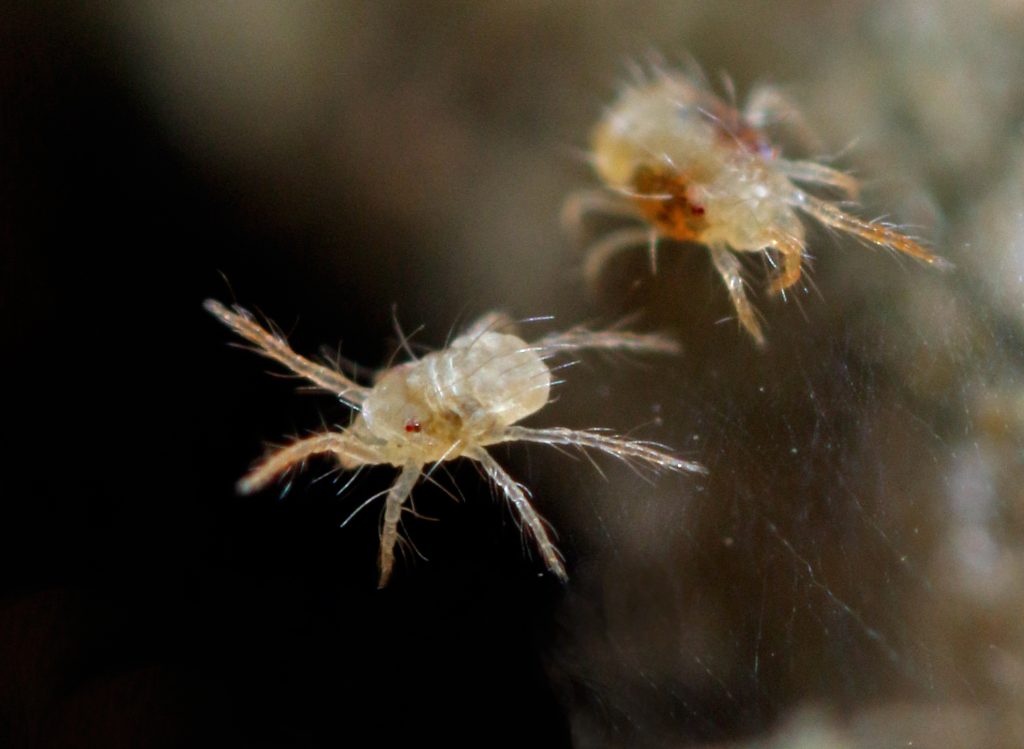
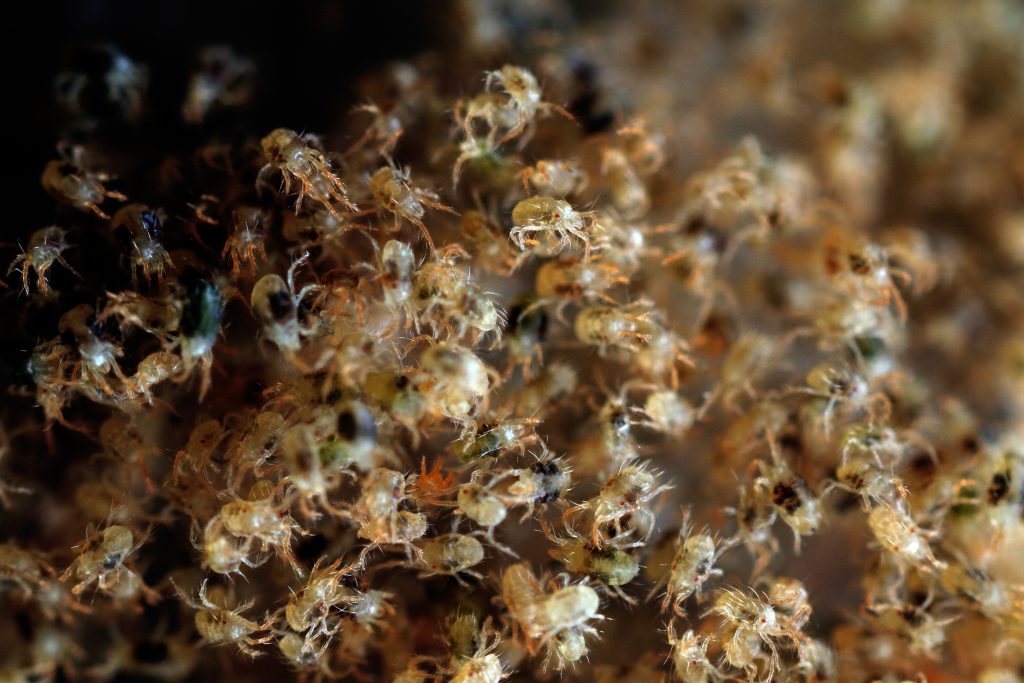
Spider mites (Tetranychus spp.) are microscopic, spider-like pests, usually less than 1 mm in size, that feed on plant cells by piercing the leaf tissue and sucking out the contents. They thrive in warm, dry conditions and reproduce rapidly, often producing multiple generations in a single season. Both larvae and adults feed on plants, causing visible damage, while eggs are typically laid on the undersides of leaves. Adults produce webbing and can disperse to other plants, amplifying the infestation.
Spider mites affect a wide range of crops, including vegetables, ornamentals, fruit trees, and greenhouse plants. Heavy infestations can seriously reduce plant health, vigor, and yield.


Recognize the signs of infestation
Look for tiny red, yellow, or green mites on undersides of leaves. Fine webbing is a clear sign of infestation.
- Speckled or stippled leaves: Early feeding causes tiny pale or yellow spots on leaves. These spots are the result of plant cells being emptied of their contents.
- Leaf discoloration and bronzing: As feeding progresses, leaves may turn yellow, bronze, or grayish. Severe infestations can cause large sections of foliage to lose color.
- Fine webbing: Spider mites often produce fine, silky webs, especially on the undersides of leaves, between stems, or around flower buds. Webbing is a strong indicator of high population levels.
- Leaf drop and defoliation: Infested leaves may curl, dry out, and drop prematurely, weakening the plant and reducing yield.
- Visible mites: Adults and nymphs may be seen moving slowly on leaf surfaces. They are tiny and require close inspection or a hand lens to identify clearly.
- Stunted growth: Infested plants often exhibit reduced growth and vigor due to nutrient loss and extensive leaf damage.
- Secondary stress: Plants weakened by spider mites are more susceptible to diseases and environmental stressors, which can compound damage.
Our IPM Solution
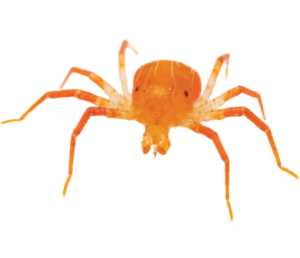
Anystis baccarum
Anystis baccarum is a remarkable and voracious predatory mite capable of capturing its preys with ease. It feeds on a vast range of pest species,…
Buy
Bug Box
Buy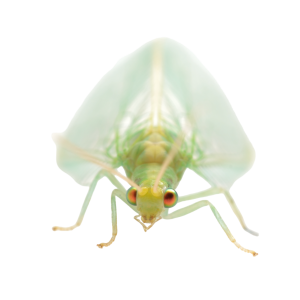
Chrysoperla carnea
Chrysoperla carnea is an essential predator in agricultural crops and gardens, providing natural pest control by consuming large numbers of aphids, thrips and whiteflies. With…
Buy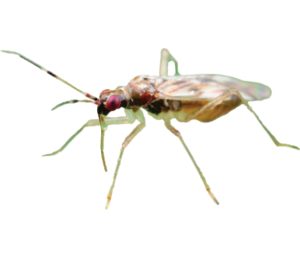
Dicyphus hesperus
Dicyphus hesperus is a beneficial insect ally for many farmers and greenhouses, successfully aiding in the control of whitefly and thrips infestations. This natural product…
Buy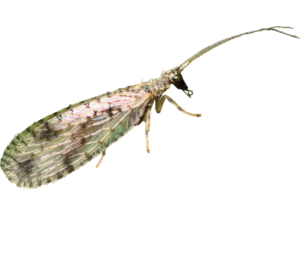
Micromus variegatus
If you're fighting a pesky aphid problem in the greenhouse, consider enlisting the help of an amazing ally: Micromus variegatus. This powerful insect presents an…
Buy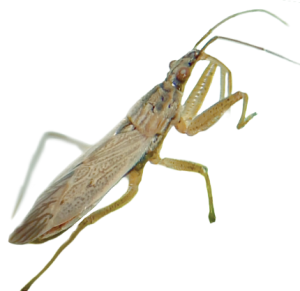
Nabis americoferus
Nabis americoferus, also known as the Damsel bug, possess well-developed piercing-sucking mouthparts and spiny, raptorial front legs, which they use for capturing prey. Both nymphs…
Buy
Neoseiulus californicus
Neoseiulus californicus is a powerful ally in the fight against spider mites and mites, which makes it ideal for maintaining healthy ornamental plants, fruits and…
Buy
Neoseiulus cucumeris
Neoseiulus cucumeris is a powerful ally in pest control, effective at controlling thrips and tarsonemids. Beneficial to greenhouses and gardens for crops like tomatoes, peppers…
Buy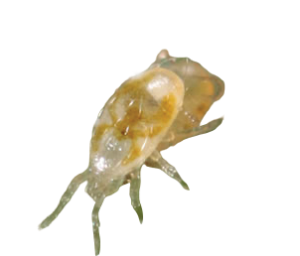
Neoseiulus fallacis
Neoseiulus fallacis, a beneficial predatory mite native of Ontario, acts as an effective guardian for various crops like peppers and strawberries. This unassuming creature has…
Buy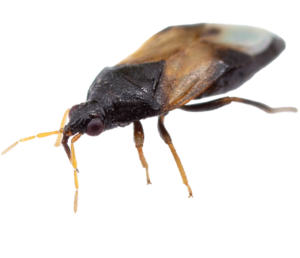
Orius insidiosus
Orius insidiosus is a small predatory bug that measures 2-2.5mm long. It is black in colour with white wing patches and oval shaped. The adults…
Buy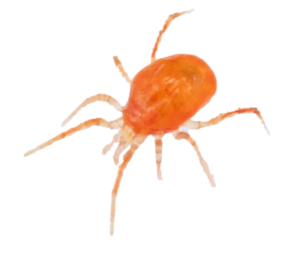
Phytoseiulus persimilis
Phytoseiulus persimilis is a natural ally for growers and gardeners looking to protect their crops against two-spotted spider mites! This predatory mite offers powerful control…
Buy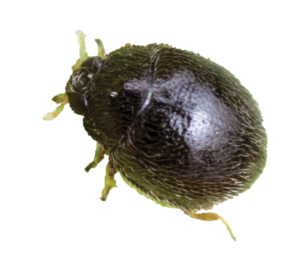
Stethorus punctillum
Stethorus punctillum is a little black beetle to control two-spotted mites, mites spruce, red spider mites. This biological control product is used for cucumbers, tomatoes,…
Buy