


Aphids
Small sap-sucking insects that weaken plants, distort leaves, and excrete honeydew, which promotes mold. They reproduce rapidly and can transmit plant viruses.
Learn more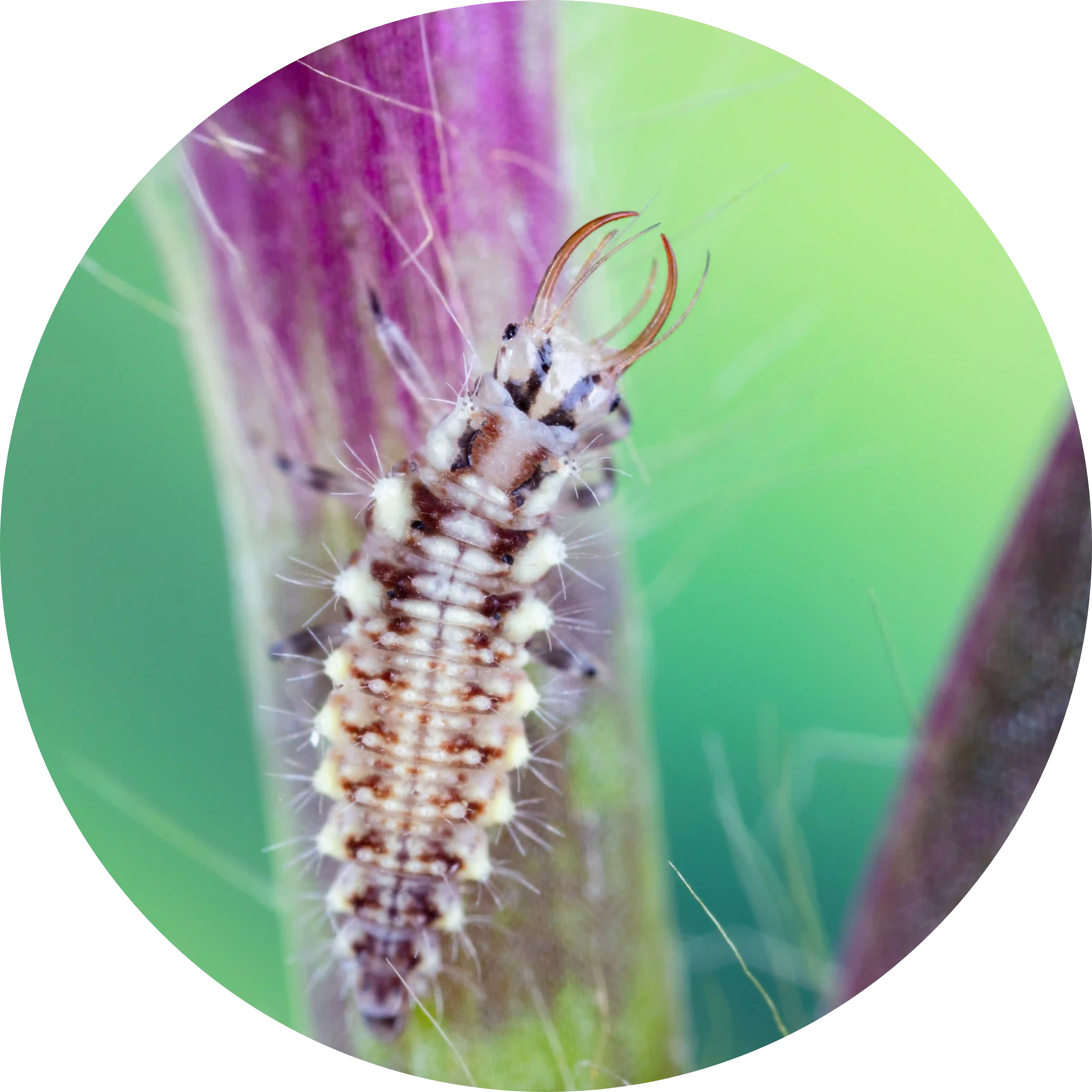
Identifying pests is the first step to protecting your crops and plants. Our pest identification guide helps you quickly recognize the most common agricultural and greenhouse pests.
Small sap-sucking insects that weaken plants, distort leaves, and excrete honeydew, which promotes mold. They reproduce rapidly and can transmit plant viruses.
Learn more
Sap-sucking insects covered in white wax. They weaken plants, deform fruit, and excrete honeydew that promotes mold and attracts ants.
Learn more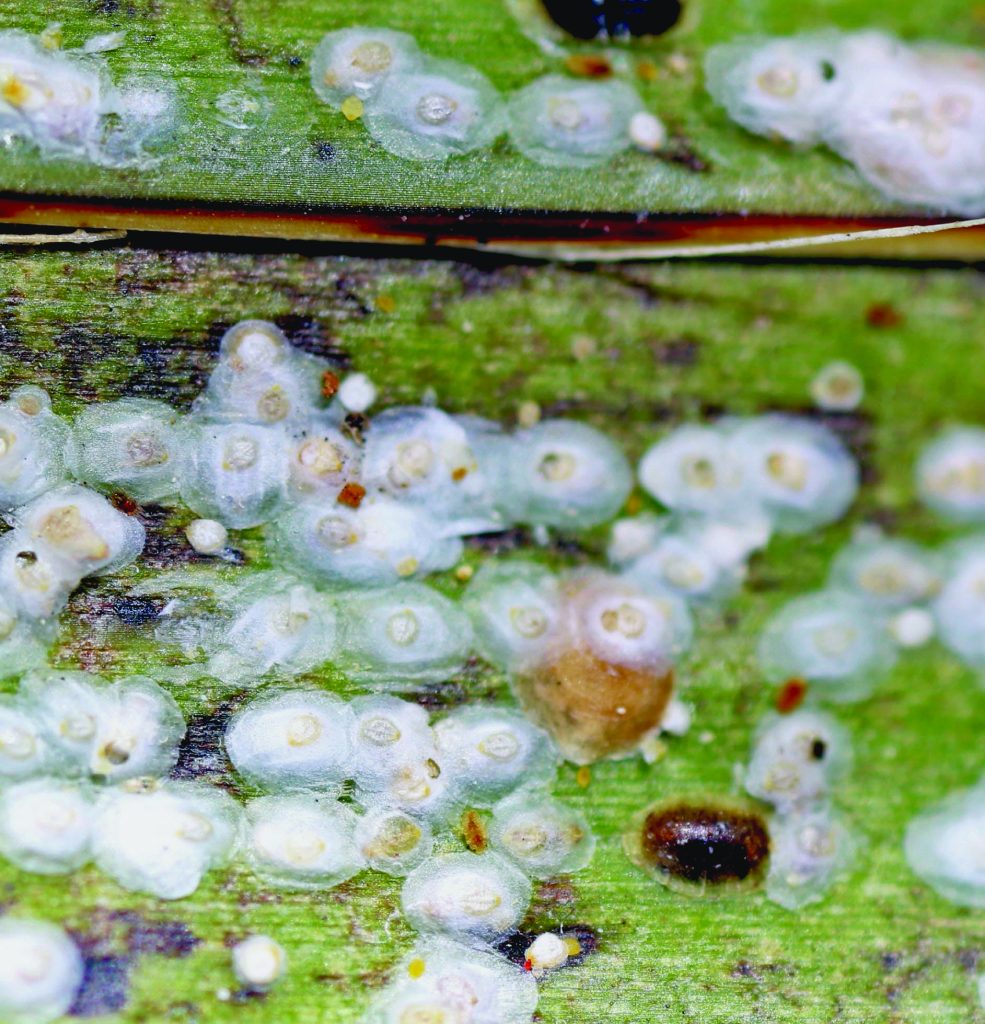
Small sap-sucking pests covered by protective scales. They weaken plants, cause leaf yellowing, stunted growth, and produce honeydew that promotes mold.
Learn more
Tiny insects that puncture plant cells, causing silvery streaks, scarring, and deformed growth. They also spread damaging plant viruses.
Learn more
Small white insects feeding on leaf undersides. They cause yellowing, leaf drop, and transmit plant viruses. Honeydew leads to mold growth.
Learn more
Microscopic mites that feed on young leaves and flowers, causing distortion, bronzing, and stunted growth in many crops.
Learn more
Blood-feeding mites of chickens and other birds. They hide in cracks by day and attack at night, causing irritation, anemia, reduced egg production, and spreading diseases.
Learn more
Microscopic arachnids that feed on leaves, causing stippling, bronzing, and webbing. Thrive in hot, dry conditions and spread quickly.
Learn more
Small flies whose larvae feed on roots in moist soil. They damage seedlings and can transmit root diseases like Pythium.
Learn more
Small flies common in greenhouses. Adults feed on algae, while larvae live in moist soil. They can spread plant pathogens.
Learn more
Larvae of scarab beetles. They live in soil and feed on roots, causing wilting, poor growth, and plant death.
Learn more
Larvae bore into apples and pears, feeding on seeds and flesh. Infestations reduce fruit quality and cause heavy losses.
Learn more
Caterpillars that bore into corn stalks and cobs, disrupting nutrient flow and reducing yield. Overwinters in crop residues.
Learn more
Larvae infest stored products, fabrics, or grains. They feed on natural fibers or foodstuffs, causing damage and contamination in storage areas.
Learn more
Larvae of moths and butterflies attacking Brassica crops. They chew leaves, reduce yield, and lower market value of vegetables.
Learn more
Nocturnal caterpillars that cut seedlings at soil level. They hide in soil during the day and damage young crops.
Learn more
Larvae tunnel into leaves and bulbs of leeks, onions, and garlic. Feeding reduces plant vigor and crop quality.
Learn more
