



Thrips
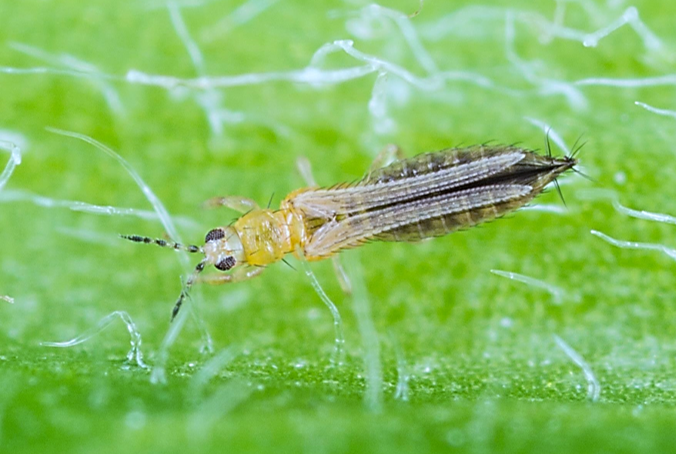
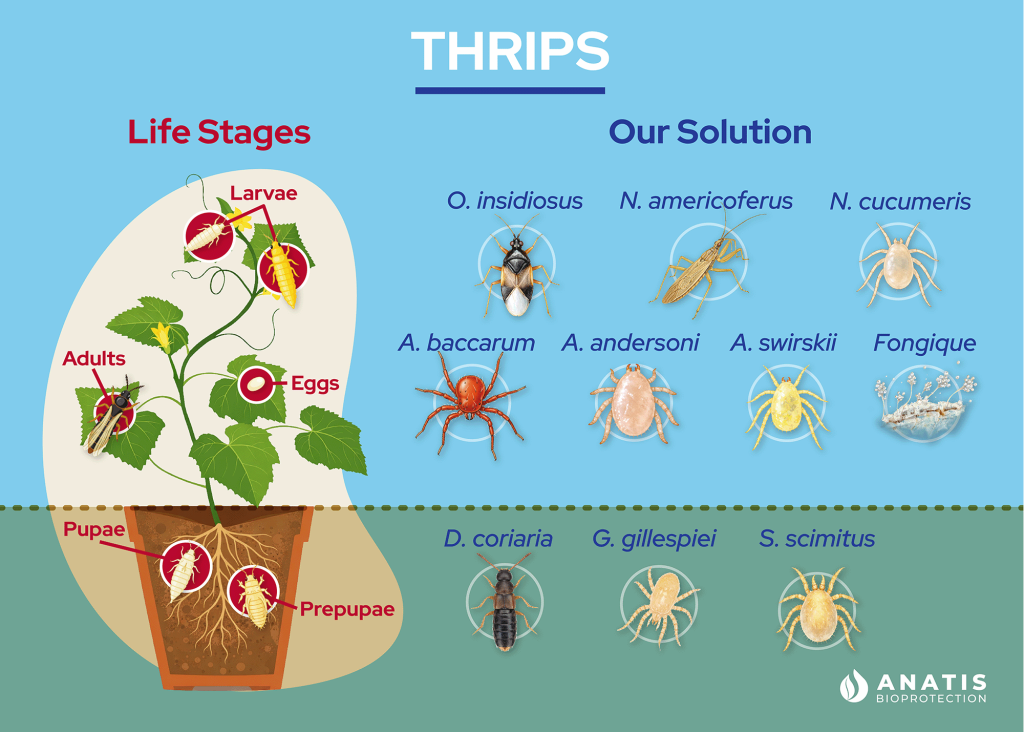
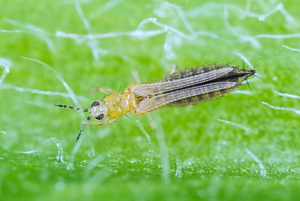
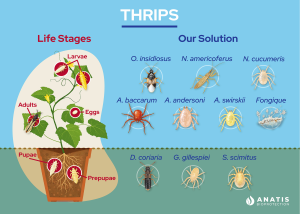
Thrips are tiny, slender insects that feed on plant sap, affecting a wide variety of crops.They are highly mobile, reproduce rapidly and can be found in greenhouses, gardens, and fields, and are particularly harmful to young leaves, buds, and flowers. Thrips have multiple life stages that includes eggs, two larval stages (nymphs), a prepupal and pupal stage, and adults. Both larvae and adults feed by piercing plant cells and sucking out the contents. Eggs will be laid inside plant tissue, invisible without magnification. Heavy egg-laying can weaken young growth. Then, larvae (nymphs) will actively feed on leaves and flowers, causing silvery streaks, stippling, and distorted growth. Larvae are the main damaging stage in most crops. Prepupal/Pupal stages are usually found in soil or leaf litter; minimal feeding occurs, but these stages allow survival and dispersal. Adults will continue feeding on plant sap, causing additional discoloration and transmitting viruses such as Tomato Spotted Wilt Virus (TSWV) and Impatiens Necrotic Spot Virus (INSV).

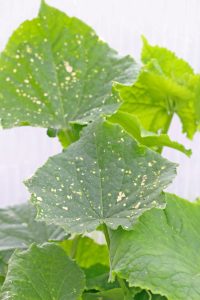
Recognize the signs of infestation
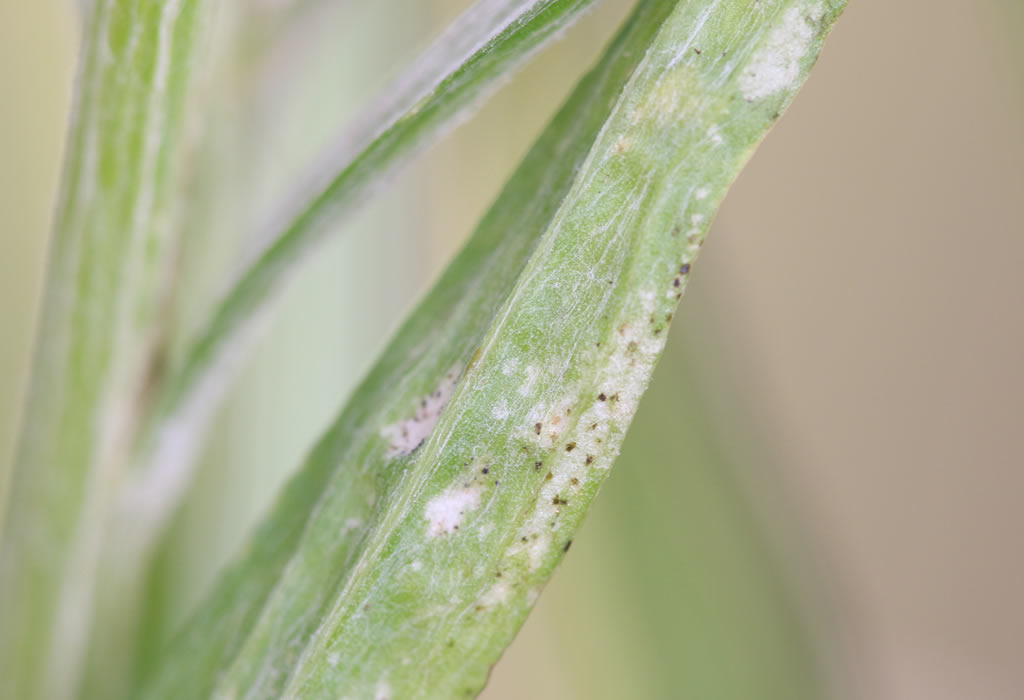
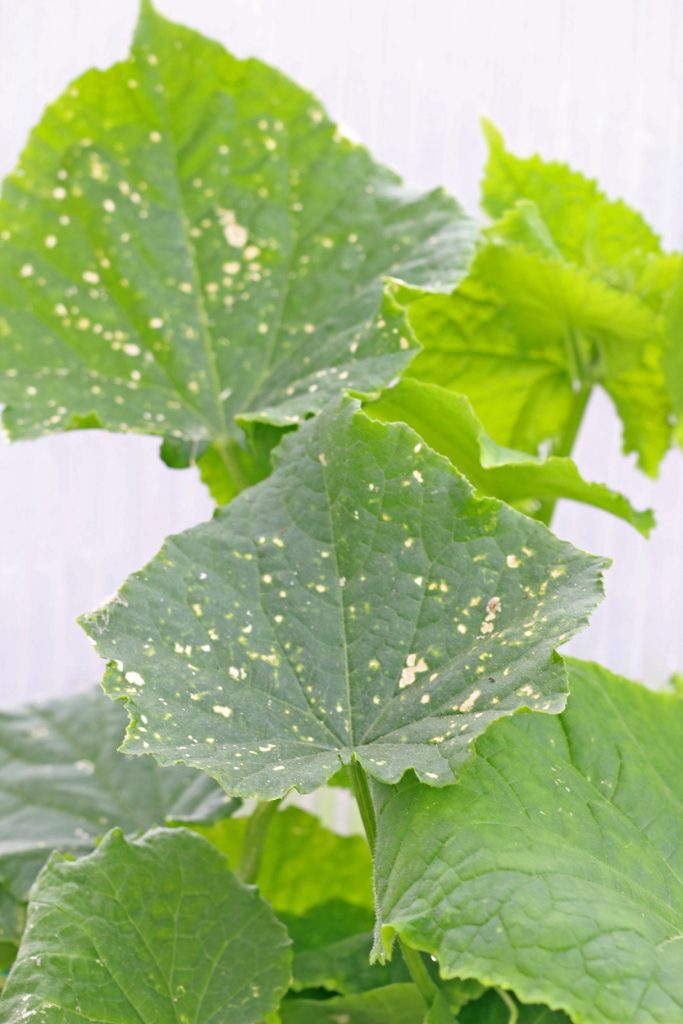
Use blue sticky traps for early detection. Thrips feeding causes silver streaks or speckling on leaves, and black frass spots may be visible.
- Silvering or streaked leaves: Thrips feed by piercing plant cells and sucking out the sap, leaving leaves with a silvery or metallic appearance. Damage is often most visible on new, tender leaves.
- Deformed or curled leaves: Infested leaves may twist, curl, or become distorted. Severe feeding can stunt the growth of shoots and young plants.
- Damaged flowers and buds: Thrips attack flowers and buds, causing them to fail to open properly, drop prematurely, or develop deformities. This can reduce fruit set or seed production.
- Tiny black fecal spots: Small dark specks on leaves or petals are often left behind by feeding thrips.
- Stunted overall growth: Heavy infestations can slow plant growth and reduce overall vigor, making plants appear weak and undersized.
- Virus symptoms: Thrips are vectors of plant viruses such as Tomato Spotted Wilt Virus (TSWV) and Impatiens Necrotic Spot Virus (INSV). Infected plants may show yellowing, mottling, or distorted growth patterns.
- Visible thrips: Adults and larvae are small, slender, and move quickly on leaf surfaces, buds, or flowers. Close inspection may be required to confirm their presence.
Our IPM Solution
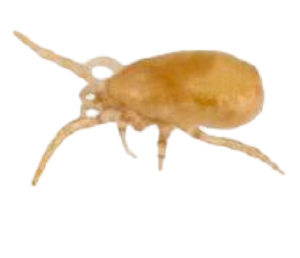
Amblyseius swirskii
Amblyseius swirskii is a predatory mite used to control pests such as thrips, whiteflies, and spider mites. It is often used in organic agriculture because…
Buy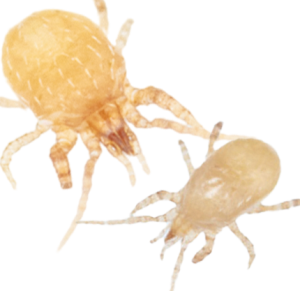
Anatis DuoGuard
Anatis DuoGuard is a 50/50 blend of Gaeolaelaps gillespiei and Stratiolaelaps scimitus, two complementary soil-dwelling predatory mites that provide powerful natural control of soil pests. In…
Buy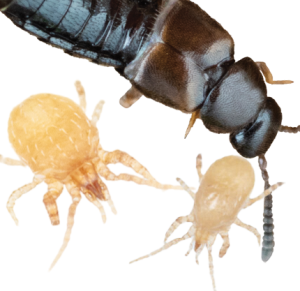
Anatis TrioGuard
Anatis TrioGuard is a highly concentrated blend of soil-inhabiting predators, offering powerful, natural pest control. In addition to eradicating current pest populations, Anatis TrioGuard establishes…
Buy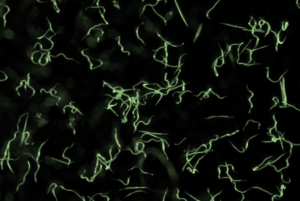
BioSf
BioSf is a powerful nematode solution containing Steinernema feltiae, which are active predators that locate larvae and invade through natural body openings. After injecting an insect…
Buy
Bug Box
Buy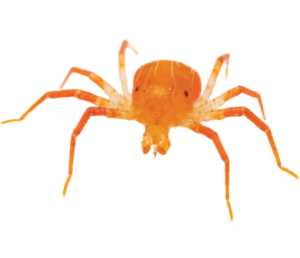
Anystis baccarum
Anystis baccarum is a remarkable and voracious predatory mite capable of capturing its preys with ease. It feeds on a vast range of pest species,…
Buy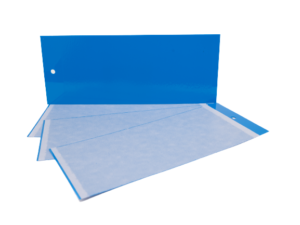
Blue sticky traps
The blue sticky traps use a non-toxic material to attract pests. The pests are stuck to the adhesive substance, allowing for careful monitoring and control…
Buy