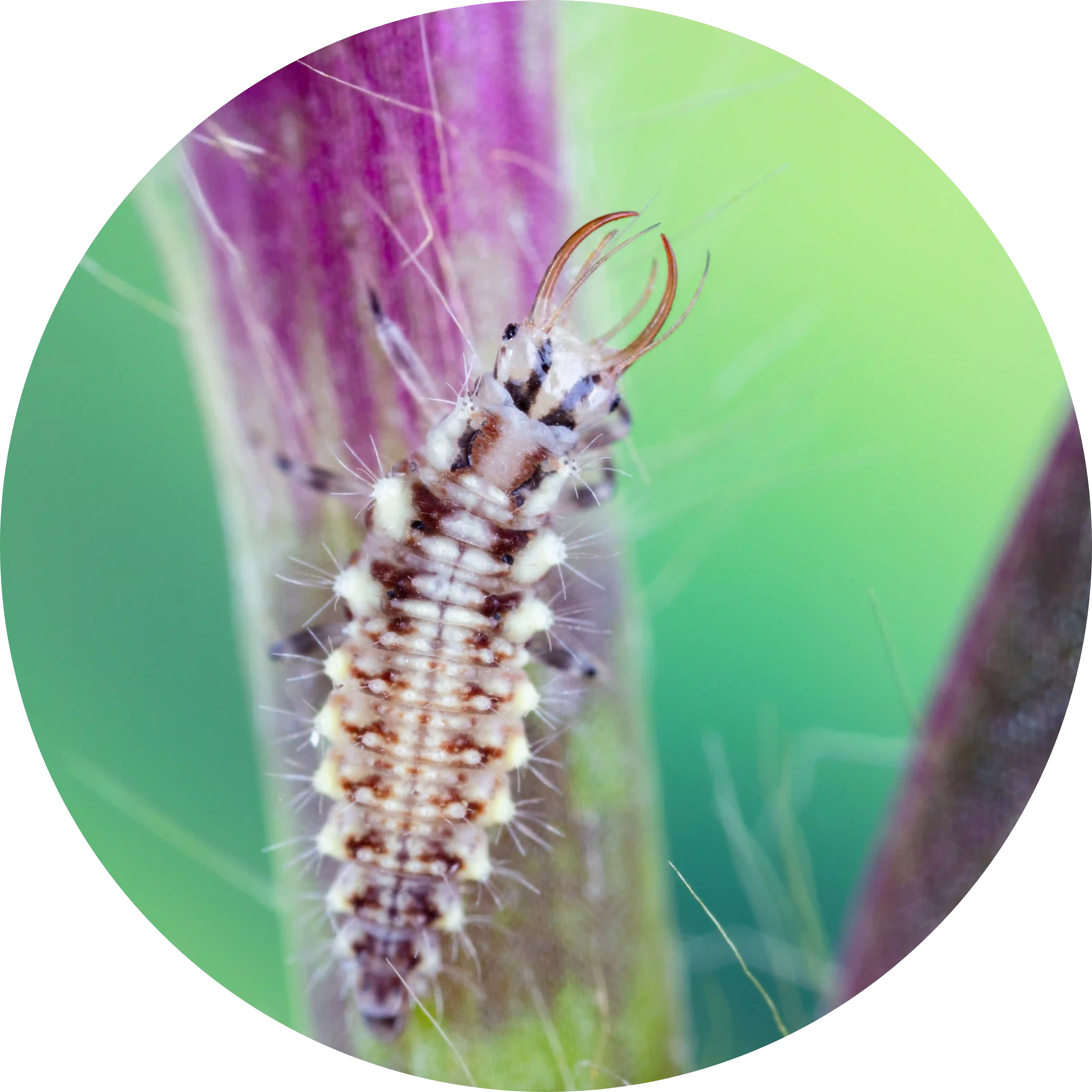




Anatis PolyGuard
please send us an email to :


Targeted crops
- Greenhouse vegetables, particularly cucumbers
- Peppers
- Eggplants
- Ornamental and flowering crops
- Small fruit and berry crops
- Nursery crops
- Cannabis

Targeted pests
- Thrips
- Whiteflies
- Spider mites, including two-spotted spider mite (Tetranychus urticae)
- Tarsonemid mites

Application Instructions
Before application, gently rotate the bottle to evenly distribute both predatory mite species and the supplemental food throughout the carrier material.
Apply directly onto the foliage and distribute the product throughout the treated crop.
Preventive programs: distribute PolyGuard evenly across the crop to encourage establishment before pest populations increase.
Active pressure: concentrate additional material around affected plants, active hot spots and surrounding plants at risk of infestation.
Continue regular scouting after introduction and adjust subsequent releases according to predator establishment and pest pressure.

Storage Instructions
PolyGuard™ Summer
- Use upon receipt for best results. If necessary, store for a maximum of 1–2 days in a cool, well-ventilated area at 15–18 °C.
- Keep away from direct sunlight.
- Do not refrigerate or freeze.
PolyGuard™ Winter
- Use upon receipt for best results. If necessary, store for a maximum of 1–2 days in a cool, well-ventilated area at 8–10 °C.
- Avoid prolonged exposure to temperatures above 25 °C.
- Keep away from direct sunlight.
- Do not refrigerate or freeze.
Understanding How PolyGuard Works
Both formulations follow the same biological control strategy but use different predatory mite combinations for different seasonal growing conditions.
PolyGuard™ Summer combines Amblyseius swirskii and Neoseiulus californicus and is designed for warmer greenhouse conditions, with strong activity across approximately 20–32°C.
PolyGuard™ Winter combines Amblyseius andersoni and Neoseiulus californicus and is designed for cooler production periods, with strong activity across approximately 15–25°C.
Yes. Both formulations target the same key pest groups: young thrips larvae, whiteflies, spider mites and tarsonemid mites.
The main difference between Summer and Winter is the predatory mite combination and the growing temperatures for which each blend is best suited.
Choose PolyGuard™ Summer for warmer greenhouse conditions where Amblyseius swirskii is well suited to the production environment.
Choose PolyGuard™ Winter for cooler growing periods where Amblyseius andersoni is better adapted to the prevailing temperatures.
Actual greenhouse temperature, crop conditions and seasonal production environment should guide the choice rather than the calendar alone.
PolyGuard combines predatory mites with complementary feeding preferences to provide broader pest coverage than relying on a single predator alone.
A. swirskii, used in PolyGuard Summer feeds primarily on young thrips larvae and the eggs and young nymphs of whiteflies. It can also feed on other small arthropods and alternative food sources, which helps it establish preventively in suitable crops.
Amblyseius andersoni, used in PolyGuard Winter, is a generalist predatory mite that contributes to the control of thrips, whiteflies, spider mites and tarsonemid mites. It is particularly well suited to cooler growing conditions, helping extend the PolyGuard strategy into cooler-season production.
Both predatory mite species can use alternative food sources when pest populations are low. PolyGuard includes supplemental food to further support predator establishment and activity after introduction, particularly during preventive programs and early crop establishment.
Using PolyGuard in an IPM Program
PolyGuard is designed primarily for preventive biological control but can also be used when pest pressure is already present.
For preventive programs, introduce the blend early and distribute it evenly throughout the upper canopy. Under active pest pressure, concentrate introductions on affected plants and surrounding areas and continue weekly releases according to scouting results.
PolyGuard targets several susceptible life stages of thrips, whiteflies and spider mites, but the predatory mites do not feed on every pest stage equally.
Both PolyGuard formulations target young thrips larvae, while the predators in each blend contribute activity against susceptible whitefly, spider mite and tarsonemid mite stages. The exact feeding preferences vary according to the predator species and target pest.
Yes. Both PolyGuard Summer and Winter have a high-pressure introduction rate of 1 bottle per 100 m², applied weekly until control is achieved.
For spider mites, PolyGuard™ provides protection through Neoseiulus californicus and is particularly valuable for preventive and early-intervention programs. When spider mite hot spots are already well established, especially where dense webbing is present, we may recommend adding a specialist predator such as Phytoseiulus persimilis or using a more targeted spider mite strategy such as SpiderGuard™.
Regular scouting remains important to determine whether the introduction rate or biological control strategy should be adjusted.
Amblyseius andersoni may enter diapause under short-day and cooler conditions. In winter production, supplemental lighting can help maintain predator activity. Actual requirements will depend on greenhouse conditions and photoperiod.
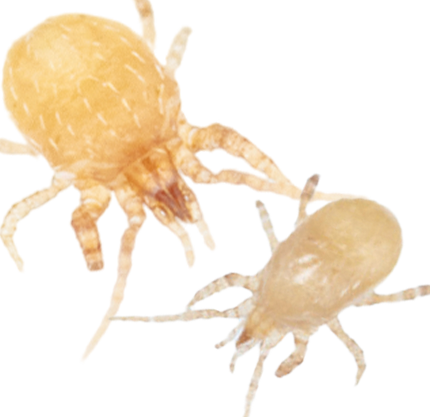
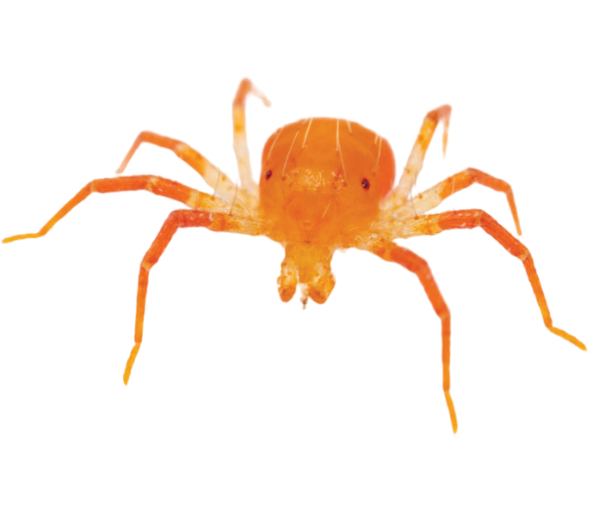
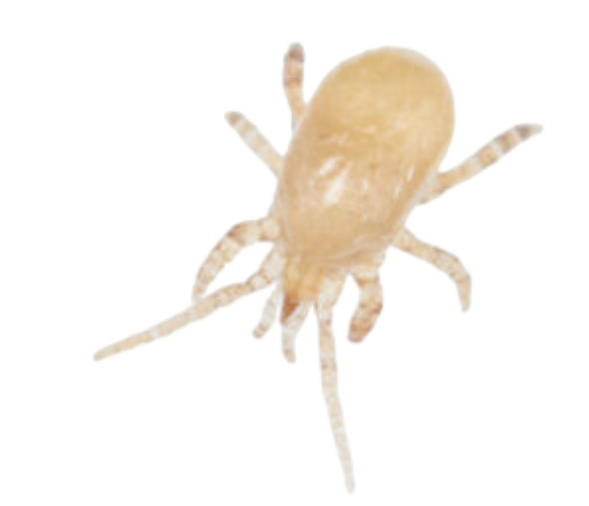

Description
Strategic Predatory Mite Blend for Thrips, Whiteflies & Spider Mites
Anatis PolyGuard™ is a line of ready-to-use predatory mite blends developed for broader biological control of thrips, whiteflies and spider mites in greenhouse crops. Available in Summer and Winter formulations, each blend combines Neoseiulus californicus with a complementary generalist predatory mite selected for different seasonal growing conditions.
Both formulations target the same key pest groups and include supplemental food to support predator establishment and activity when pest populations are still low. The difference lies in the predator combination and the temperature range for which each blend is best suited.
Choose Your PolyGuard™ Blend
PolyGuard™ Summer
Amblyseius swirskii + Neoseiulus californicus + supplemental food
For warm-season greenhouse production | Approx. 20–32 °C
Designed for warmer growing conditions. Amblyseius swirskii provides strong activity under warm conditions, while Neoseiulus californicus adds persistence and flexibility when environmental conditions or pest pressure vary. Both predators can use alternative food sources, while the supplemental food included in the blend further supports establishment and activity after introduction.
PolyGuard™ Winter
Amblyseius andersoni + Neoseiulus californicus + supplemental food
For cooler-season greenhouse production | Approx. 15–25 °C
Designed for cooler growing conditions. Amblyseius andersoni provides strong activity at lower temperatures, while Neoseiulus californicus adds persistence and flexibility when environmental conditions or pest pressure vary. Both predators can use alternative food sources, while the supplemental food included in the blend further supports establishment and activity after introduction.
Recommended Introduction Rates
The same introduction rates apply to PolyGuard™ Summer and PolyGuard™ Winter and can be incorporated into preventive and early-intervention biological control programs.
Preventive / Establishment
Apply 1 bottle per 500 m²
Weekly, for 3–4 weeks.
Early Intervention / Low to Moderate Pest Pressure
Apply 1 bottle per 250 m²
Weekly, until control.
High Pest Pressure
Apply 1 bottle per 100 m²
Weekly, until control. For severe spider mite hot spots or established webbing, additional specialist predators such as Phytoseiulus persimilis may be required.