

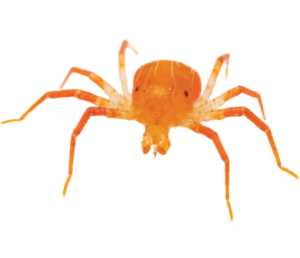
Anystis baccarum
Anystis baccarum is a remarkable and voracious predatory mite capable of capturing its preys with ease. It feeds on a vast range of pest species,…
Buy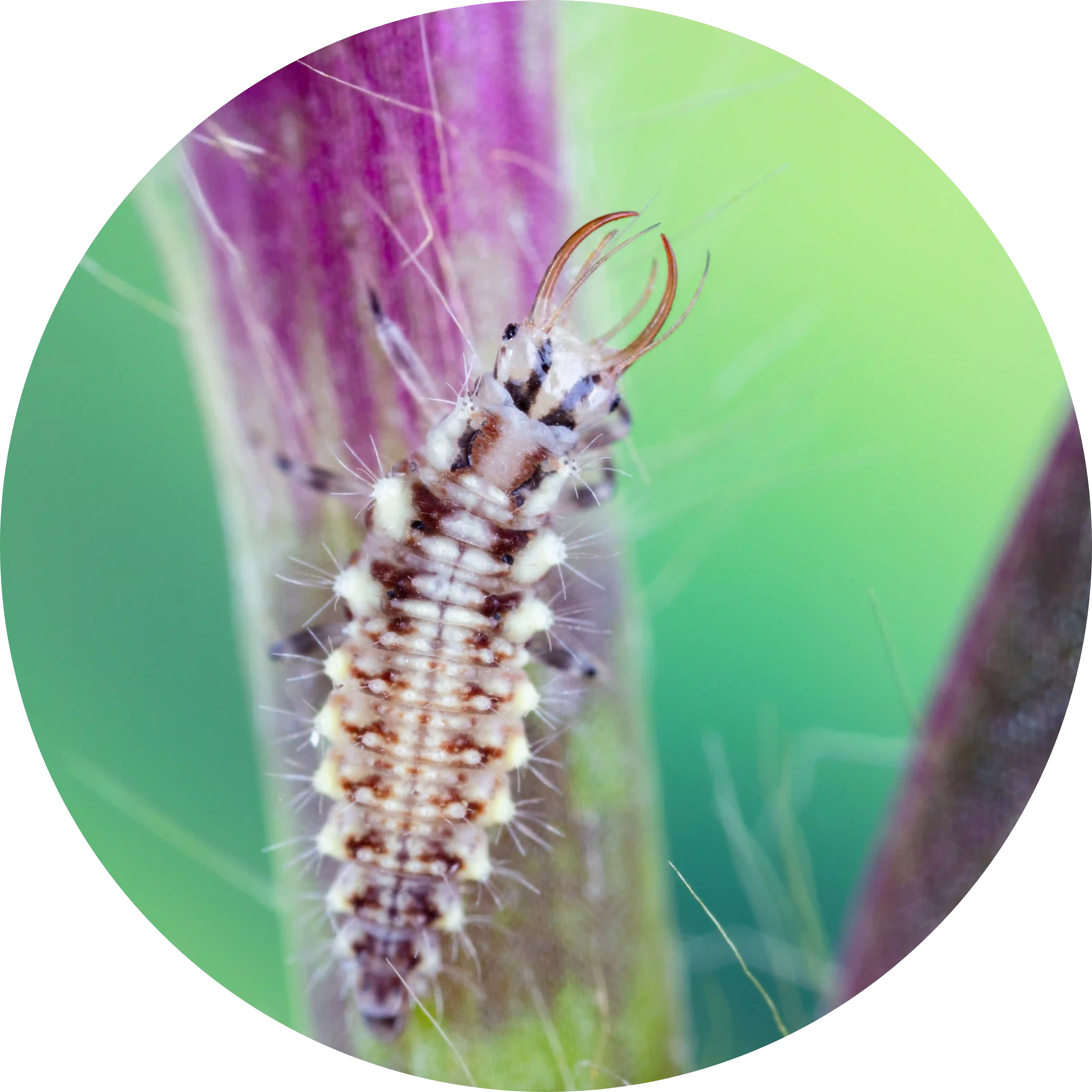


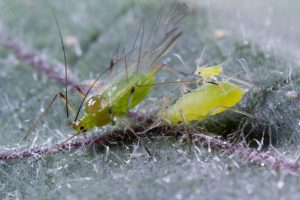
Aphids are small, soft-bodied insects that reproduce rapidly and form colonies on leaves, stems, and flower buds. They vary in color (green, black, brown, yellow, or pink) and many species can transmit plant viruses. Aphids include a variety of species that differ in size and preferred host plants. Small aphids include peach and melon aphids, medium-sized aphids include cannabis aphids, and medium to large aphids include potato, foxglove, and pea aphids. Each species feeds differently and can impact crops in unique ways, making targeted monitoring and control essential.

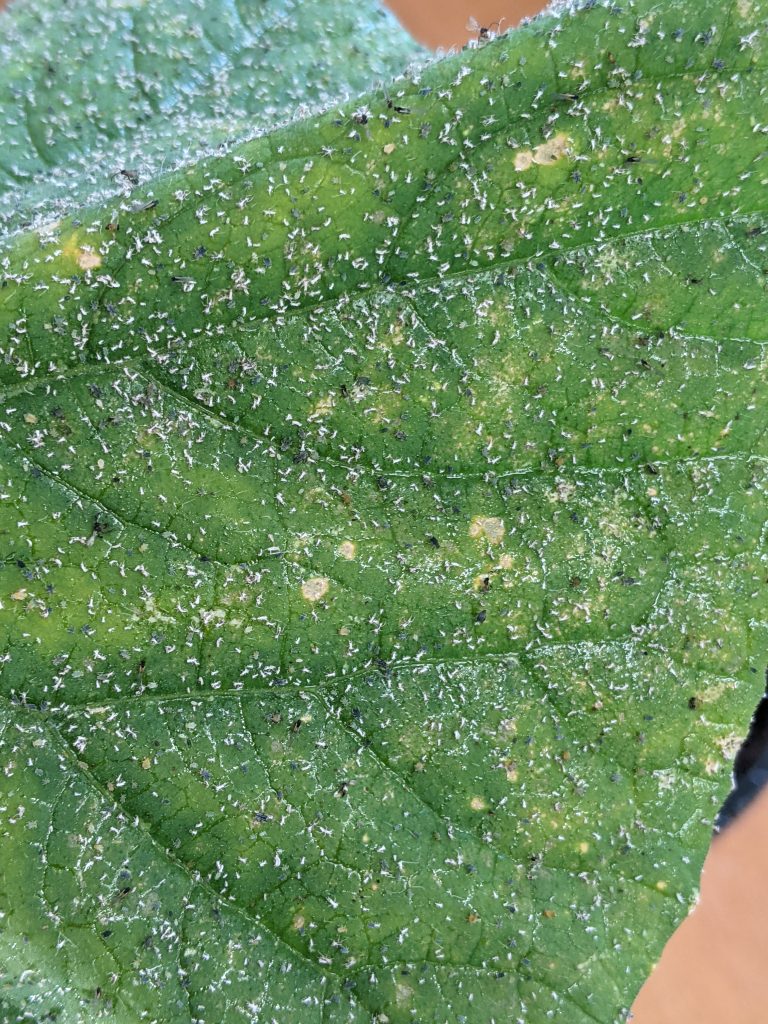

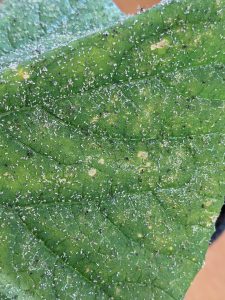
Look for clusters of aphids on young shoots and undersides of leaves. Sticky honeydew and the presence of ants are common signs of infestation.
Anystis baccarum is a remarkable and voracious predatory mite capable of capturing its preys with ease. It feeds on a vast range of pest species,…
Buy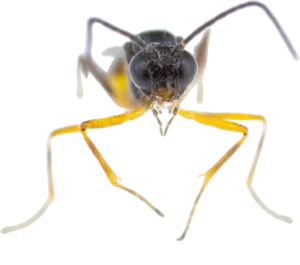
Aphidius ervi is an effective natural solution to two common aphid pests - Macrosiphum euphorbiaea and Aulacorthum solani. Standing twice as large as its cousins,…
Buy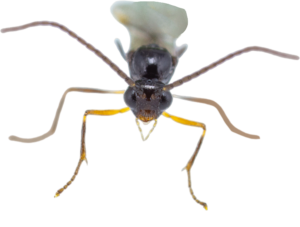
Aphidius colemani is a generalist parasitoid wasp that is highly effective in controlling peach aphid (Myzus persicae) and melon or cotton aphid (Aphis gossypil). Used…
Buy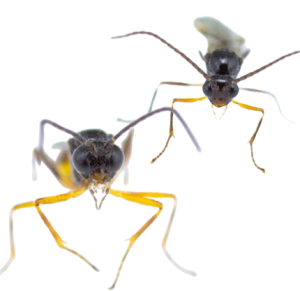
Aphidius colemani is a generalist parasitoid wasp that is highly effective in controlling peach aphid (Myzus persicae) and melon or cotton aphid (Aphis gossypil). Used…
Buy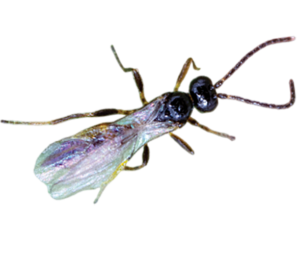
Aphidius matricariae is a parasitoid wasp specializing in the control of the Green Peach Aphid (Myzus persicae) and is also used to control the Cannabis…
Buy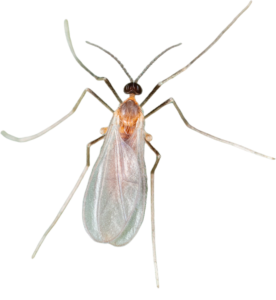
Aphidoletes aphidimyza is a predatory gall midge whose larvae feed on many aphid species, including melon aphid, green peach aphid, potato aphid, and foxglove aphid.
Buy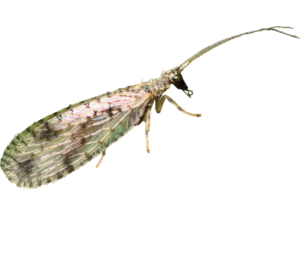
If you're fighting a pesky aphid problem in the greenhouse, consider enlisting the help of an amazing ally: Micromus variegatus. This powerful insect presents an…
Buy
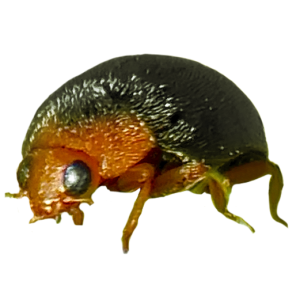
Didion longulum are ladybird beetles (Coccinellidae) that feed on many species of aphids. Adults will lay eggs in aphid populations and the larvae will feed…
Buy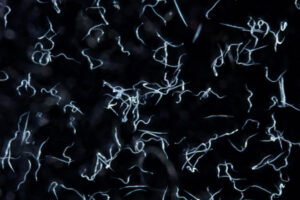
BioHb offers a powerful solution to agricultural pests through the use of Heterorhabditis bacteriophora juveniles. These nematodes seek out pest larvae and both infect them…
Buy
BioSc is a powerful ally for your garden and agricultural battle against damaging insect pests. It contains an infective form of Steinernema carpocapsae, called juvenile…
Buy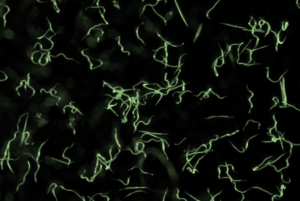
BioSf is a powerful nematode solution containing Steinernema feltiae, which are active predators that locate larvae and invade through natural body openings. After injecting an insect…
Buy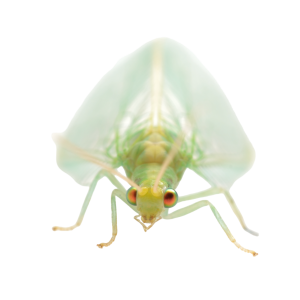
Chrysoperla carnea is an essential predator in agricultural crops and gardens, providing natural pest control by consuming large numbers of aphids, thrips and whiteflies. With…
Buy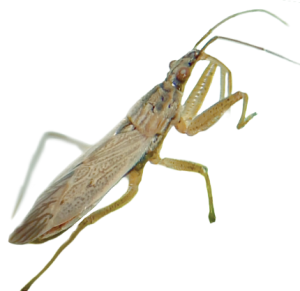
Nabis americoferus, also known as the Damsel bug, possess well-developed piercing-sucking mouthparts and spiny, raptorial front legs, which they use for capturing prey. Both nymphs…
Buy